10 Best Blow Molding Pallets for Your Packaging Needs?
In today's competitive packaging industry, the selection of the right Blow Molding Pallets is crucial. These pallets are essential for efficient storage and transportation of products. The global blow molding market is expected to reach $37 billion by 2025, reflecting the growing importance of quality packaging solutions. However, with many options available, choosing the best blow molding pallets can be challenging.
Properly designed pallets enhance not only productivity but also reduce shipping costs. A well-known industry report shows that using lightweight yet durable pallets can decrease overall material costs by up to 15%. Many businesses struggle to find pallets that meet both their strength requirements and budget constraints. Hence, it is essential to carefully evaluate each option for performance and reliability.
Moreover, many companies face difficulties when scaling their operations with inadequate pallet systems. The wrong choice can lead to significant inefficiencies and potential product damage. Understanding the unique features and specifications of Blow Molding Pallets is key to avoiding costly mistakes. Our exploration of the ten best options will guide you towards making informed decisions that align with your packaging needs.
Understanding Blow Molding and Its Applications in Packaging
Blow molding is a manufacturing process used to create hollow plastic parts. This technique is vital in various packaging applications. It enables the production of lightweight, durable containers suitable for food, beverages, and chemicals. The process involves heating plastic, molding it, and then inflating it into shape. This method is preferred for its efficiency and cost-effectiveness.
Many industries rely on blow-molded items due to their customizable shapes and sizes. For instance, blow molding can produce bottles and jars in varying dimensions. The ability to modify designs quickly makes it ideal for businesses facing dynamic market demands. However, not all blow molding processes are flawless. Manufacturers must consider factors like material compatibility and environmental regulations. Sometimes quality control is overlooked, leading to defective products that can impact brand reliability.
Ultimately, the choice of blow molding pallets significantly influences packaging outcomes. High-quality pallets improve production speed and ensure consistent product quality. Investing in the right pallets can make a substantial difference. Yet, there is a learning curve in choosing suitable materials and techniques. The focus should always be on continuous improvement and adaptation to changing market needs.
Factors to Consider When Choosing Blow Molding Pallets
When choosing blow molding pallets for packaging, several factors are crucial. The material of the pallet plays a significant role. Common options include high-density polyethylene (HDPE) and polypropylene (PP). These materials provide durability and resistance to various chemicals. However, evaluating environmental impact is also important. Recycling options for the pallet material can influence the sustainability of your operations.
Weight capacity is another vital consideration. Each pallet has a specific load limit. Ensure the pallet can support the weight of your products during storage and transport. Overloading pallets can lead to breakage or safety hazards. Additionally, consider the dimensions of the pallet. A proper fit in your storage and transportation vehicles can optimize efficiency.
**Tip:** Always test a new pallet design with your products before committing to bulk orders. Assessing performance helps avoid unexpected issues.
Another aspect to think about is surface design. Some pallets come with features like anti-slip surfaces. This can enhance stability while handling. However, you may discover that not all designs work well with every product type. Always gather feedback from your team on functionality.
**Tip:** Involve your warehouse staff in the selection process. Their insights can reveal potential problems early on.
Top 10 Blow Molding Pallets for Efficient Packaging Solutions
Choosing the right blow molding pallets is crucial for effective packaging. These pallets play a significant role in protecting products during transportation. When designing your packaging solutions, you must consider material quality and load capacity. Pallets that are too weak may lead to product damage. This can result in financial losses for businesses.
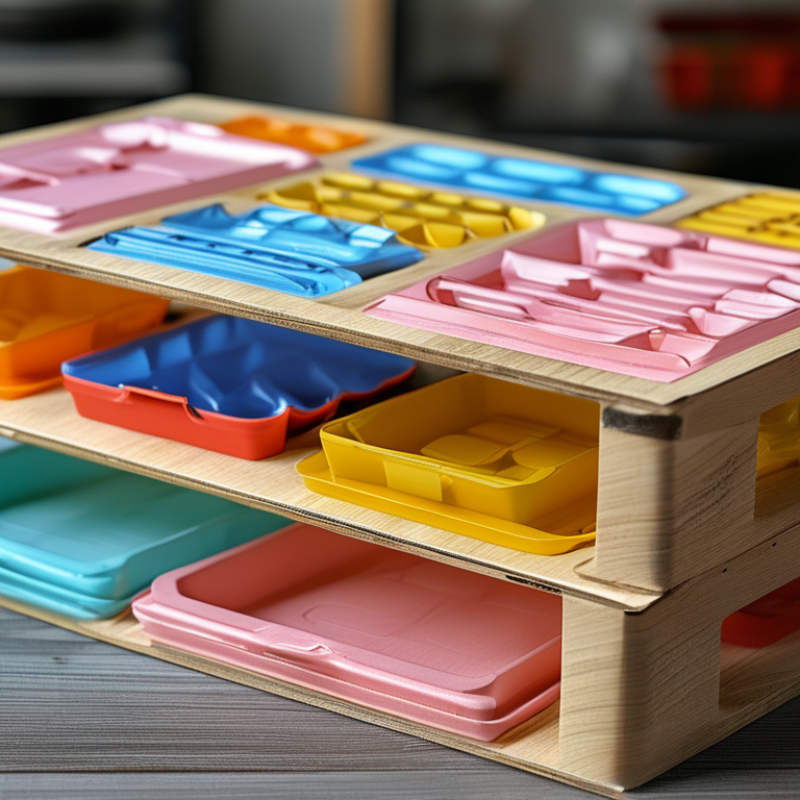
Efficiency is another key factor. A well-designed blow molding pallet can streamline the packing and shipping processes. Look for features like nestability and stackability. These aspects save space and reduce shipping costs. Many companies struggle to find a balance between cost and functionality in their pallet choices. A thorough evaluation of operational needs is essential to avoid costly mistakes.
Testing various options can be beneficial. Identifying the best fit for specific products requires careful consideration. It is not uncommon to encounter challenges in finding the ideal pallet. Feedback from logistical teams can guide improvements. Ultimately, investing time in research pays off, leading to better packaging solutions that enhance overall company efficiency.
Comparative Analysis of Popular Blow Molding Pallet Materials
When selecting blow molding pallets, material choice plays a critical role in performance and cost efficiency. Common materials include polyethylene, polypropylene, and polystyrene. According to industry reports, polyethylene, for instance, excels in durability and cost-effectiveness, accounting for over 40% of the market share in packaging applications.
Polypropylene offers excellent chemical resistance and varies in weight, making it a preferred option for specialized industries. Its lightweight nature can reduce shipping costs by up to 20%. However, it may not withstand heavy loads as well as other materials. In contrast, polystyrene is known for its rigid structure but can be less environmentally friendly due to its lower recyclability rates.
Choosing the right material ultimately hinges on specific packaging requirements. Factors like load capacity, exposure to chemicals, and sustainability should be carefully weighed. Additionally, some materials might have hidden costs, such as environmental impacts or disposal challenges. This calls for a thoughtful evaluation of each material's long-term implications against immediate packaging needs.
10 Best Blow Molding Pallets for Your Packaging Needs
| Material |
Load Capacity (lbs) |
Weight (lbs) |
Dimensions (inches) |
Durability Rating |
Cost ($) |
| Polyethylene |
2500 |
30 |
48 x 40 |
High |
120 |
| Polypropylene |
2200 |
28 |
48 x 40 |
Medium |
100 |
| HDPE |
3000 |
35 |
48 x 45 |
Very High |
150 |
| PP Compound |
1800 |
32 |
45 x 45 |
Low |
80 |
| PVC |
2700 |
36 |
48 x 40 |
Medium |
130 |
| PE+EVA |
2400 |
34 |
46 x 43 |
High |
110 |
Maintenance and Care Tips for Blow Molding Pallets in Use
Maintaining blow molding pallets is crucial for maximizing their lifespan and ensuring efficiency in packaging. Regular inspection is key. Check for cracks, dents, and signs of wear. These issues can compromise the integrity of the pallet. Small repairs can prevent larger failures down the line. Always use appropriate tools for repairs. Avoid makeshift solutions that might lead to further damage.
Cleaning is another important aspect of maintenance. Dust and debris can accumulate, affecting how pallets stack. A simple solution is to use a soft brush to remove loose particles. For tougher stains, a mild detergent is usually effective. After cleaning, allow the pallets to dry completely before storage. This practice helps prevent mold and degradation.
Proper storage is often overlooked. Placing pallets in a humid or poorly ventilated area can reduce their lifespan. Avoid stacking them in a way that creates pressure points. Instead, store them flat and separated. Identifying the right storage conditions might require trial and error. Every facility has unique needs. Reflect on your pallet management strategy regularly for continuous improvement.