What is Blow Molding Pallets and Why Are They Essential?
Blow molding pallets have revolutionized the packaging and shipping industry. They offer durability and versatility unmatched by traditional materials. According to a recent market analysis by Smithers Pira, the blow molding market is projected to grow at a CAGR of 5.9% through 2025, emphasizing the rising demand for innovative solutions like blow molding pallets.
These pallets are essential for logistics and storage. Their lightweight design reduces shipping costs significantly. Additionally, they resist moisture, chemicals, and impact, making them suitable for various industries, such as food and beverage, pharmaceuticals, and consumer goods. Pallets crafted using blow molding techniques are easy to clean and maintain, adding to their appeal.
Yet, the industry faces challenges. Recycling options remain limited for certain plastics used in blow molding. Many companies struggle to balance sustainability with performance. While blow molding pallets hold promise, constant innovation and investment are needed to address these concerns effectively. Understanding their significance helps businesses make informed choices about logistics and storage solutions.
What is Blow Molding and How Does It Work?
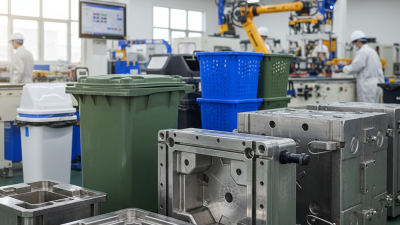
Blow molding is a manufacturing process that creates hollow plastic products. It is widely used for making containers, bottles, and other items. The process begins with melting plastic and forming it into a parison, a tube-like shape. Once the parison is ready, it is placed into a mold. Air is then blown into the parison, expanding it to fit the mold. This technique allows for efficient production of lightweight and durable items.
The essence of blow molding lies in its versatility. It can produce various shapes and sizes, catering to different industry needs. However, this process requires precision. Any inconsistency in the temperature or air pressure can lead to defects. Manufacturers often face challenges in quality control. There’s a constant need for improvement in machinery and techniques to ensure reliability.
Blow molding pallets are a crucial product of this process. They are lightweight yet sturdy, making them ideal for transportation and storage. Proper design and production of these pallets can lead to significant cost savings. However, achieving this balance is often tricky. Manufacturers must invest time in perfecting their methods. Continuous learning and adaptation are necessary to thrive in this competitive market.
What is Blow Molding Pallets and Why Are They Essential?
| Dimension |
Description |
Advantages |
Applications |
| Material |
Commonly made from polyethylene or polypropylene. |
Lightweight and cost-effective. |
Used in the shipping and logistics industry. |
| Production Method |
Manufactured through a blow molding process. |
Allows for complex shapes and designs. |
Ideal for bulk storage and transportation. |
| Durability |
Designed to withstand heavy loads and harsh environments. |
Long lifespan and resistant to chemicals. |
Used in manufacturing and warehousing sectors. |
| Customization |
Can be tailored to specific needs and sizes. |
Flexibility in design options. |
Applicable in retail and consumer goods industries. |
| Environmental Impact |
Recyclable materials are often used. |
Contributes to sustainability efforts. |
Supportive of eco-friendly practices. |
Overview of Blow Molding Pallets and Their Design Features
Blow molding pallets are essential in the logistics and packaging industries due to their durability and efficiency. These pallets, made using a blow molding process, offer unique design features that enhance their usability. For instance, they are lightweight, which reduces shipping costs. According to industry reports, blow molded pallets can weigh up to 30% less than traditional wooden pallets, making them an attractive option for many businesses.
A significant advantage of blow molding pallets is their structural integrity. The process allows for consistent wall thickness, ensuring that each pallet can withstand heavy loads. Research shows that they provide a load capacity of over 1,500 pounds, which is critical for transporting heavy goods. Their ability to stack efficiently helps in optimizing warehouse space. Tip: When choosing pallets, consider those with reinforced corners for added strength.
The design often includes features like anti-slip surfaces and ventilation holes. These elements contribute to better load stability and easier cleaning, especially in industries like food and pharmaceuticals. However, a common oversight is neglecting to evaluate the specific requirements of your operations. Tip: Assess your handling systems before making a decision. This will ensure that you select pallets that integrate seamlessly with your workflow while maximizing efficiency.
Key Advantages of Using Blow Molding Pallets in Industries
Blow molding pallets are becoming essential in many industries due to their unique manufacturing process and advantages. These pallets are lightweight and durable, making them suitable for various applications. According to a recent industry report, companies utilizing blow molded pallets experienced a 30% reduction in transportation costs. This is largely due to the pallets' reduced weight, which allows for greater load capacity and efficiency during shipping.
One notable benefit is the resistance to chemicals and moisture. Many industries, especially in pharmaceuticals and food processing, require pallets that can withstand harsh environments. Blow molded pallets are not only easy to clean, but they also maintain integrity under challenging conditions. Statistics indicate that these pallets can last up to five times longer than conventional wooden pallets, reducing overall replacement costs.
TIP: When selecting blow molded pallets, consider the specific needs of your operation. Not all pallets are created equal; different shapes and sizes might affect your logistics efficiency. Assessing your unique requirements can lead to significant cost savings.
Another consideration is storage capabilities. Blow molded pallets can be designed for stacking, optimizing warehouse space. However, some users find that improper stacking can lead to instability. Proper training for warehouse staff is necessary to mitigate this risk. In summary, blow molding pallets offer a blend of durability, efficiency, and cost-effectiveness, making them invaluable in today’s competitive market.
Applications of Blow Molding Pallets in Supply Chain Management
Blow molding pallets play a crucial role in supply chain management. These pallets are lightweight yet strong, making them ideal for various applications. They can be used in warehouses for storage and transportation, helping to optimize space and reduce costs. Their design allows for stacking, which maximizes efficiency in shipping and handling.
In the food and beverage industry, blow molding pallets are essential. They are resistant to moisture and easy to clean, ensuring compliance with health standards. Moreover, their durability makes them suitable for repeated use, unlike traditional wooden pallets that may wear out quickly. Companies can save money while enhancing product safety.
Tips: Always consider the specific needs of your supply chain when selecting pallets. Think about the load capacity and the types of goods you will transport. Keeping an inventory of pallets can help you avoid last-minute purchases and disruptions. Regular assessments of your pallet options can lead to improved operational efficiency.
Comparing Blow Molding Pallets to Other Types of Pallets
Blow molding pallets are becoming increasingly popular in various industries. They offer unique advantages compared to traditional wooden or metal pallets. One key difference is their lightweight nature. This can significantly reduce shipping costs and improve handling efficiency.
When comparing blow molding pallets to wood, durability stands out. Wooden pallets often suffer from splintering and moisture issues. In contrast, blow molded versions resist rotting and are easy to clean. This makes them ideal for food and pharmaceutical industries. However, some may argue that blow molded pallets lack the strength of heavy-duty materials. It's important to assess the specific needs of your operations.
Tips: Always consider your operational environment before choosing a pallet type. If you work in humid conditions, blow molded pallets may be your best option. On the other hand, if you need substantial weight-bearing capacity, examine your choices closely.
Another comparison worth noting is the sustainability factor. Blow molding pallets are often made from recycled plastics, contributing to environmental efforts. Yet, there are ongoing discussions about recycling capabilities for certain plastics. Continuous improvement in this area is needed for optimal sustainability. Always stay informed about the latest developments in materials.