How to Choose the Best Single Pallet for Global Shipping?
Selecting the right single pallet for global shipping can significantly impact your logistics efficiency. According to logistics expert John Miller, "Choosing the right single pallet is not just about size; it’s about the solution it provides." His insights highlight the nuances in pallet selection.
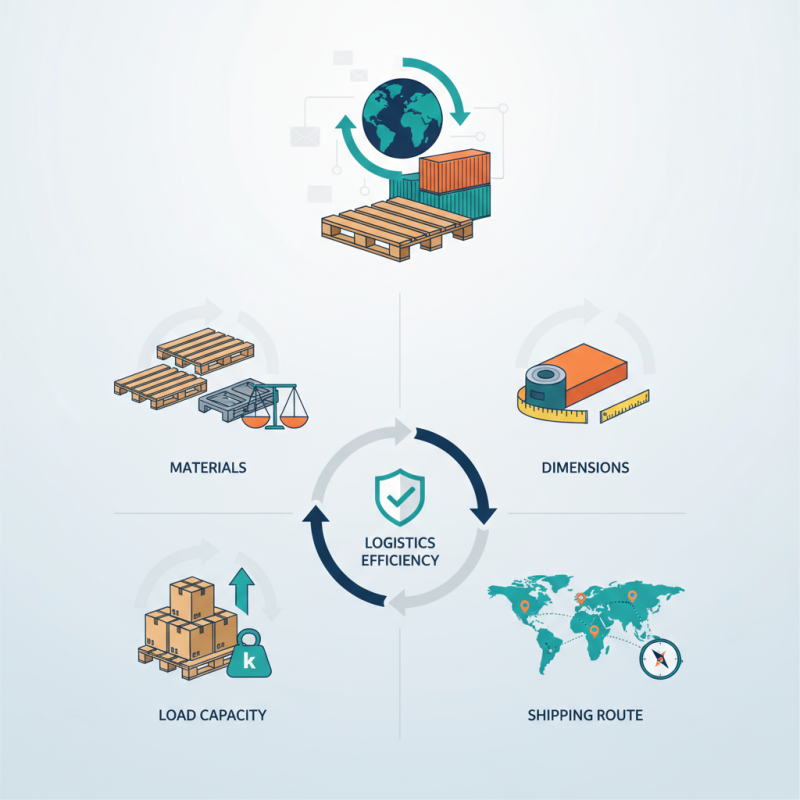
A single pallet must meet specific standards. Materials, dimensions, and load capacity are crucial factors. The right pallet can save costs and improve the safety of goods during transit. Think about your product type and weight. Not all pallets can support heavy loads or fragile items effectively.
Consider the shipping route as well. A single pallet that works in one region may not be suitable in another. Adjustments may be necessary to ensure compliance with local regulations. Your choice will reflect on your brand’s reliability. Pay attention to these details to avoid costly mistakes.
Types of Single Pallets for Global Shipping Needs
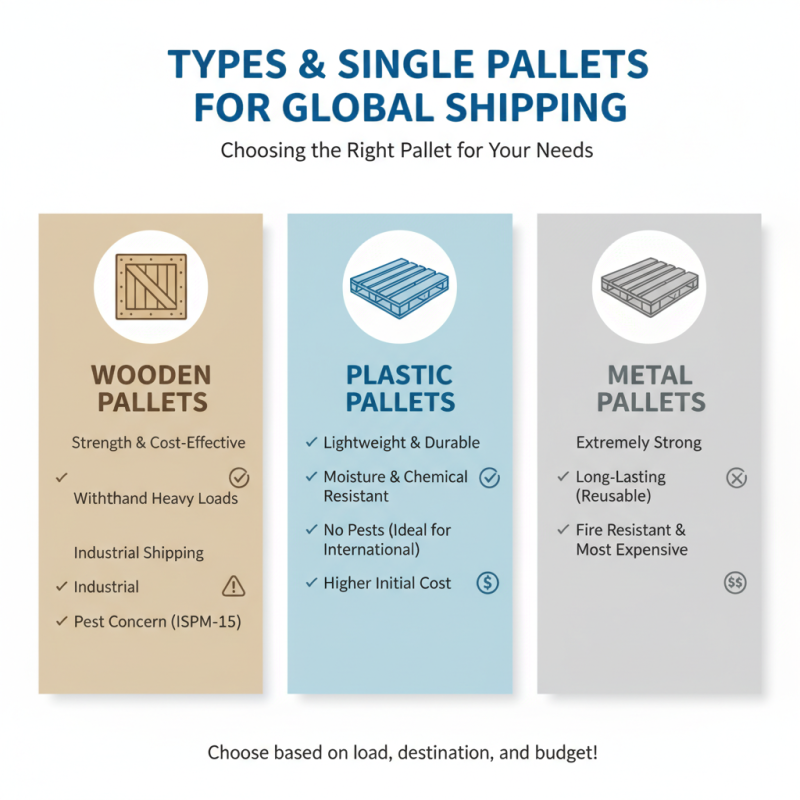
Choosing the right single pallet for global shipping is crucial. Different types of pallets serve unique needs. For instance, wooden pallets are commonly used due to their strength and cost-effectiveness. They can withstand heavy loads, making them ideal for industrial shipping. However, they can also harbor pests, which can be a concern for international shipping.
Plastic pallets are another option. They are lightweight and resistant to moisture. This makes them suitable for perishable goods. Their longevity is impressive, yet they can be pricier than wooden ones. Remember, each type has pros and cons.
Consider your product’s specific requirements. Will it need temperature control? Does it require extra durability? These questions will guide your decision.
**Tips**: Always inspect pallets for damage. A damaged pallet can compromise the entire shipment. Label your pallets clearly to ensure easy tracking. Communication with your shipping partner is crucial. They can provide insights into the best pallet choice for your needs.
Factors to Consider When Selecting a Single Pallet
Choosing the right single pallet for global shipping involves multiple factors. First, consider the weight and dimensions of your cargo. Each pallet type supports different weight limits. Make sure to weigh your goods accurately before selection. If your items are heavy, a stronger, more durable pallet is necessary.
Next, think about the material. Wooden pallets are common, but plastic and metal options exist. Wooden pallets may not withstand moisture well. Plastic pallets are lighter but can lack strength for heavier items. Environmental factors, such as humidity and temperature, play a role here. For example, a wooden pallet might warp in humid climates.
Transportation is another crucial aspect. Air freight and ocean freight have different requirements. Pallets must fit into standard shipping containers. Understanding your shipping method helps avoid costly errors. Look for pallets that adapt to various transport types. This adaptability can save time and money in the long run. Reflect on how these choices affect your supply chain efficiency. Will the pallet you choose meet all your shipping needs?
Material Options for Durable and Reliable Pallets
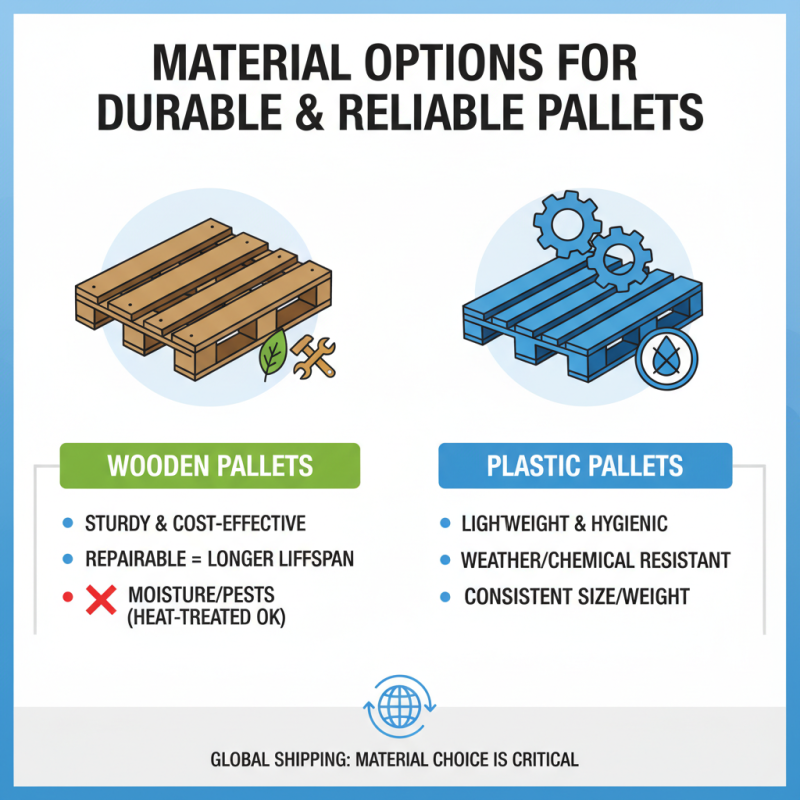
When selecting pallets for global shipping, material choice is critical. Wood and plastic are common options. Wooden pallets are sturdy and cost-effective. They can be repaired if damaged, which can prolong their lifespan. However, they may absorb moisture and harbor pests. This creates challenges in some shipping regions. Using heat-treated wood can mitigate some concerns.
Plastic pallets offer durability and reliability. They are moisture-resistant and easy to clean. This makes them ideal for sensitive goods. However, they may have a higher upfront cost. It's essential to consider the trade-offs. Weight is also a factor; lightweight pallets can reduce shipping costs, but they must still support heavy loads.
The choice should depend on specific shipping needs. Assess the type of goods being transported. Evaluate the handling requirements throughout the supply chain. Consider environmental impact as well; some materials are more eco-friendly than others. The right decision balances cost, durability, and the needs of the goods.
Dimensions and Weight Capacity for Shipping Efficiency
When choosing a pallet for global shipping, dimensions and weight capacity significantly affect shipping efficiency. A standard pallet typically measures 48 inches by 40 inches. However, some markets prefer different sizes. Understanding the specific requirements is crucial. Oversized pallets can increase shipping costs and complicate logistics.
Weight capacity is another vital aspect. Most pallets support a load of about 1,500 to 2,500 pounds. Yet, heavy items may require reinforced pallets. Using pallets that do not meet weight demands can lead to breakage or damage during transit.
Consider materials used for pallets. Wood, plastic, and metal are common options, each with strengths and weaknesses. For example, wooden pallets are sturdy but vulnerable to pests. Plastic pallets resist moisture but can be expensive. Assessing these factors helps create a streamlined shipping process. Reflecting on your specific needs can enhance overall efficiency. Balancing size, weight capacity, and materials is key.
Cost Analysis and Budgeting for Pallet Selection
When selecting a pallet for global shipping, cost analysis is crucial. Begin by evaluating the materials.
Wooden pallets are often cheaper, but their durability can be questionable.
Plastic options tend to have a higher upfront cost but may save money in the long run due to their longevity.
Consider the weight capacity needed. A lighter pallet might reduce shipping costs, but if it breaks under pressure, the losses could be significant.
Assessing potential damages is essential. A seemingly cost-effective choice can become expensive if it leads to product loss or delays.
Budgeting for pallet selection should also account for potential import fees and regulations. These can vary greatly by region.
Always factor in the total cost of ownership, not just the initial purchase price.
Ensuring your choice reflects reliability will ultimately pay off. It's easy to overlook hidden costs, which can lead to tough lessons later on.