What is a Glass Bottle Storage Box Mold and How to Use It?
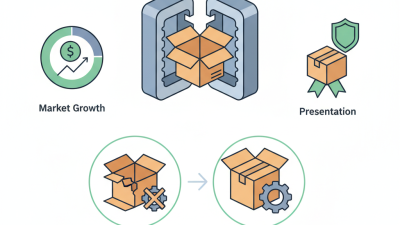
The Glass Bottle Storage Box Mold has become essential in the packaging and storage industry. In recent years, research has shown that the global reusable packaging market is projected to reach $500 billion by 2027. This growth highlights the increasing importance of innovative storage solutions. Glass bottle storage, in particular, offers a sustainable alternative to plastic.
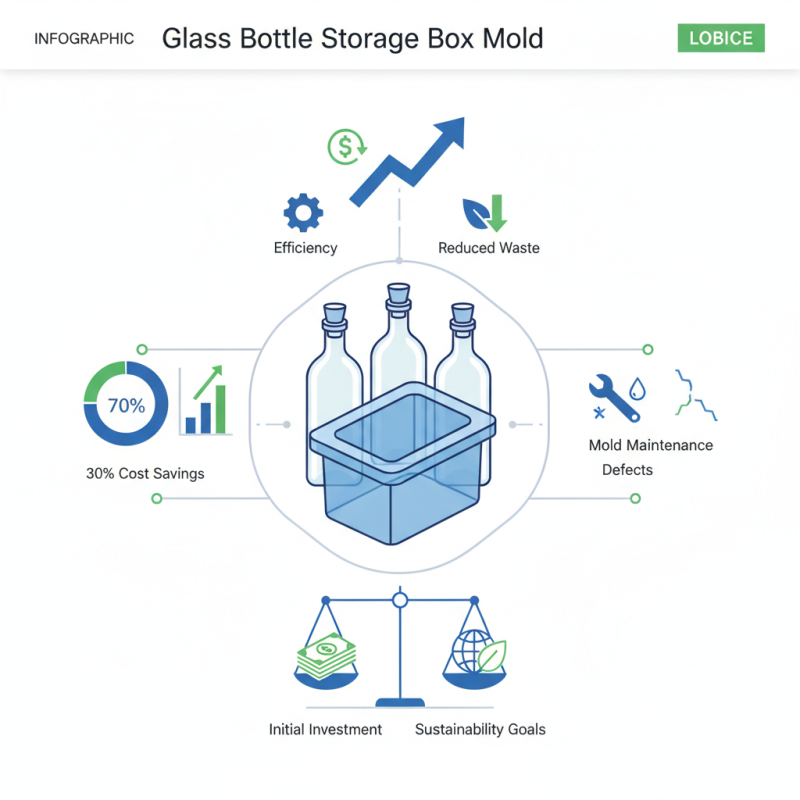
Using a Glass Bottle Storage Box Mold can enhance efficiency and reduce waste. The mold allows for mass production, ensuring uniformity in size and appearance. Data from industry reports indicates that businesses can save up to 30% on storage costs by using these molds effectively. However, companies sometimes overlook the importance of mold maintenance, which can lead to defects and inefficiencies.
Understanding the functionality and application of Glass Bottle Storage Box Molds leads to better business decisions. While molds offer significant benefits, manufacturers must consider the quality of materials and design. Reflecting on the potential downsides—like initial investment costs—can help businesses make informed choices that align with their sustainability goals.
Definition and Purpose of a Glass Bottle Storage Box Mold
A glass bottle storage box mold is a specialized tool used for creating storage boxes designed to hold glass bottles securely. These molds are essential in various industries, allowing for the efficient organization and protection of bottles, which are often fragile. The primary purpose of these molds is to ensure that glass bottles are stored safely, minimizing the risk of damage during transport or storage.
Using a glass bottle storage box mold involves a straightforward process. First, the mold is prepared by cleaning it thoroughly to eliminate any debris. Once ready, materials like wood or sturdy cardboard are placed in the mold to form the box structure. The mold ensures precise dimensions, creating a snug fit for each bottle. It’s interesting to note that while molds are effective, there can be challenges. For instance, improper alignment can result in uneven boxes, highlighting the need for careful handling during the assembly process.
Additionally, awareness of the mold's limitations is important. Variations in bottle sizes can affect the overall design, which may not always accommodate specific bottles. This discrepancy could lead to wasted materials or time spent adjusting the mold. As with any tool, mastering the use of a glass bottle storage box mold requires experience and practice, revealing a learning curve that users must navigate to achieve optimal results.
Types of Glass Bottle Storage Box Molds Available in the Market
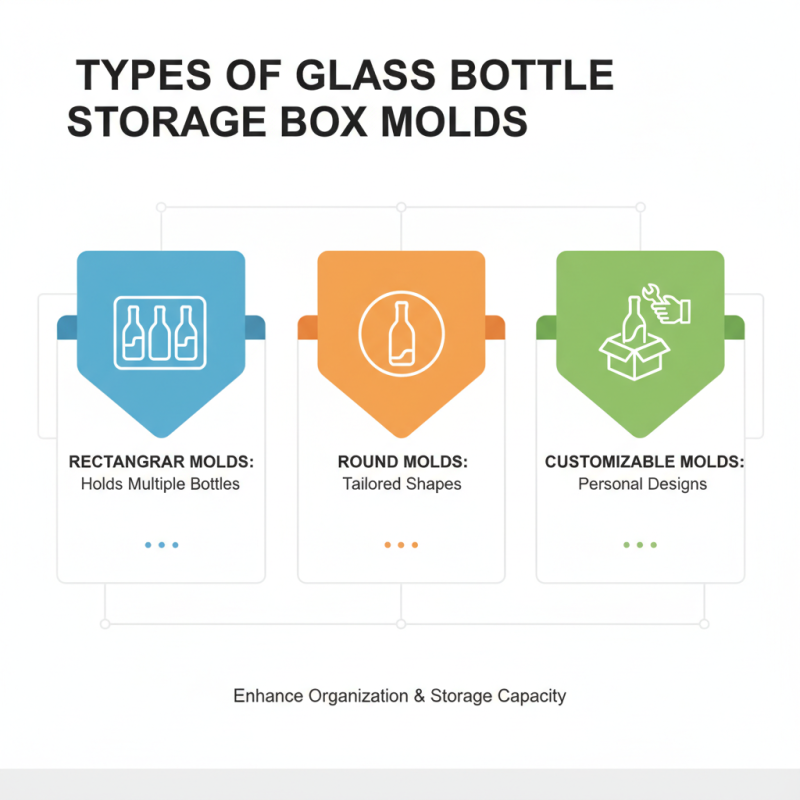
When exploring glass bottle storage box molds, several types are available in the market. These molds cater to various glass bottle shapes and sizes, enhancing organization and storage capacity. Common designs include rectangular molds, which can hold multiple bottles, and round molds tailored for specific shapes. Customizable molds are popular among enthusiasts, allowing for personal touches.
According to a recent industry report, the demand for specialized storage solutions has increased by 20% over the past year. This uptick indicates a growing awareness of efficient storage practices. While many molds are designed for durability, not all meet the same quality standards. It's essential to choose molds made from food-grade materials to ensure safety.
Tips for choosing the right mold: Look for user reviews and ratings. Many consumers share valuable insights about their experiences with different types. Consider the ease of cleaning and maintenance as well. Not all molds offer the same convenience. Investing in a high-quality mold may save time and effort in the long run.
Step-by-Step Guide to Using a Glass Bottle Storage Box Mold
Using a glass bottle storage box mold can be a fun and rewarding project. It helps you create customized storage solutions for your space. The process is straightforward but requires attention to detail for the best results.
Start by gathering your materials. You need a glass bottle storage box mold, glass bottles, and appropriate sealing agents. Make sure your workspace is clean to avoid contamination. Prepare your mold by ensuring it is dry and free from dust. Then, arrange the bottles within the mold's sections. This part can be tricky; it’s important to make sure they fit snugly yet remain easy to remove.
Once the bottles are in place, pour the sealing agent evenly into the mold. Wait patiently for it to cure, as rushing the process can lead to imperfect outcomes. After curing, carefully remove the bottles from the mold. Inspect your work; some imperfections might appear. These could reveal areas where adjustments are needed. Remember, practice makes perfect, and learning from mistakes is part of the journey. Each attempt enhances your skills and leads to better results.
What is a Glass Bottle Storage Box Mold and How to Use It? - Step-by-Step Guide to Using a Glass Bottle Storage Box Mold
| Step |
Description |
Materials Needed |
Duration |
| 1 |
Gather all necessary materials and tools. |
Glass bottle, mold, release agent, measuring tools, protective gear. |
15 minutes |
| 2 |
Prepare the glass bottle for molding. |
Glass bottle, cleaning solution. |
10 minutes |
| 3 |
Apply the release agent to the mold. |
Release agent (e.g., silicone spray). |
5 minutes |
| 4 |
Place the glass bottle inside the mold. |
Glass bottle, mold. |
5 minutes |
| 5 |
Allow the mold to set and cure as per instructions. |
N/A |
Varies (typically 24 hours) |
| 6 |
Remove the glass bottle from the mold. |
Mold. |
5 minutes |
| 7 |
Inspect and finish the glass bottle as needed. |
Finishing tools, cleaning solution. |
10 minutes |
Tips for Maintaining and Cleaning Your Glass Bottle Storage Box Mold
When working with a glass bottle storage box mold, maintaining it is crucial for longevity. Regular cleaning prevents buildup that can affect the mold's performance. Start by rinsing your mold with warm water. Use a gentle brush to reach all corners. Avoid harsh chemicals, as they can damage the surface. Let it dry completely before storing.
Inspect the mold often for any signs of wear. Small cracks can develop over time, affecting its function. If you notice any, consider repairing or replacing it. Store the mold in a cool, dry place to avoid moisture damage. This will help maintain its structural integrity and prevent mold growth.
Remember, the goal is to keep your mold in top condition. A clean and well-maintained mold will produce better results in your crafting efforts. Taking these steps ensures that your projects will continue to shine. Disregarding maintenance can lead to frustration, so make it a consistent habit.
Glass Bottle Storage Box Mold Usage Statistics
This chart displays the popularity and usage frequency of glass bottle storage box molds based on user reviews and feedback.
Common Mistakes to Avoid When Using a Glass Bottle Storage Box Mold
Using a glass bottle storage box mold can seem straightforward, but many overlook crucial steps. One common mistake is not thoroughly cleaning the mold before use. Residue from previous projects can ruin the final product. Always wash your mold with warm, soapy water and dry it completely. This ensures a smooth surface for the glass bottles.
Another frequent error occurs during the pouring process. Pour slowly to avoid air bubbles. These bubbles can lead to imperfections in your molds. Many users pour too quickly, creating messes and ruining the mold’s design. Take your time, and you’ll see better results.
Tips: Ensure your workspace is free of dust. Tiny particles can become trapped in the mold. Also, be cautious with temperatures. Extreme heat or cold can cause the mold material to warp. Always follow the recommended temperature guidelines for optimal results. Choosing the right type of glass is also important. Avoid using bottles with irregular shapes, as they may be challenging to fit in the mold. Reflect on these common pitfalls, and you'll improve your crafting experience significantly.