inquiry
Leave Your Message

2026 Top Plastic Crate Mold Manufacturers for Global Buyers

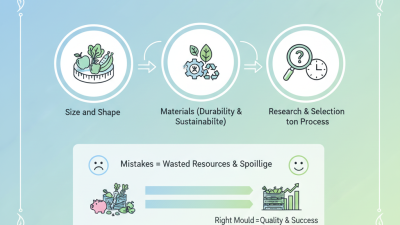
Choosing a reliable Plastic Crate Mold manufacturer requires more than comparing catalog photos or quoted prices. Global buyers must examine steel grades, mold-flow planning, cooling design, cycle stability, and after-sales support. A crate mold may produce thousands of cycles, yet small design weaknesses can create flash, uneven walls, or difficult ejection.

John Bozzelli, founder of Injection Molding Solutions and a respected injection molding consultant, has said, “Scientific molding takes the guesswork out of injection molding.” His view remains highly relevant in 2026. Strong manufacturers use measured data, not assumptions, to control filling speed, pressure, cooling time, and material behavior. These details affect crate strength, stacking accuracy, surface quality, and long-term production costs.

This guide reviews leading Plastic Crate Mold manufacturers for international buyers. It considers technical capability, manufacturing experience, quality inspection, customization, delivery coordination, and communication. Factory equipment matters. So does the team interpreting the data.

No ranking is perfect.

A supplier may appear impressive on paper but offer weak mold trials or unclear maintenance guidance. Buyers should request sample crates, inspection records, steel certificates, and realistic cycle-time information. They should also ask how the manufacturer handles design revisions after testing. That question often reveals more than a polished website.

The best partner is not always the cheapest. It is the manufacturer that can produce a dependable mold, explain its decisions clearly, and support stable production after shipment. Mistakes can still happen. The real difference lies in preparation, transparency, and the willingness to correct them.

2026 Top Plastic Crate Mold Manufacturers for Global Buyers

Plastic Crate Mold Manufacturing: Scope, Types, and Global Applications

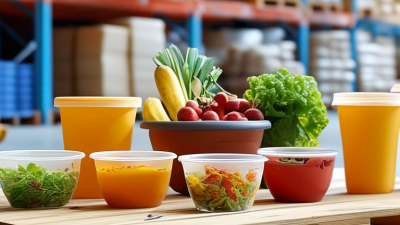
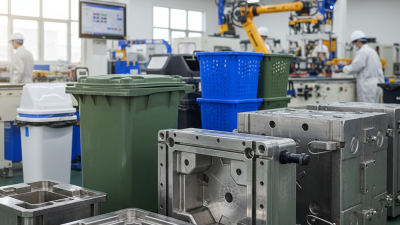
Plastic crate mold manufacturing covers product design, mold engineering, machining, testing, and production support. It serves agriculture, food distribution, retail logistics, storage, and industrial handling. Each application demands a different balance of strength, weight, ventilation, and cleaning efficiency.

Common mold types include single-cavity, multi-cavity, stack, and interchangeable-insert molds. Single-cavity tools suit limited production or early testing. Multi-cavity molds improve output but require stronger machines and tighter process control. Stack molds save floor space, although their structure is more complex. Material choice matters too. Polypropylene offers useful impact resistance, while high-density polyethylene performs well in demanding handling conditions.

Experienced manufacturers check crate dimensions, corner strength, drainage openings, stacking loads, and ejection marks before machining begins. They also review cooling channels carefully. Uneven cooling may create warpage, which can affect stacking and warehouse safety. Digital flow analysis helps, but physical trials remain essential. A simulation cannot reveal every practical problem.

Tips: Share the crate’s load, usage temperature, cycle target, and resin details early. Request sample validation before approving full production. Inspect the mold surface, gate position, and parting line. Small defects become expensive later. No mold plan is perfect. A rushed design may still pass initial tests, then fail after repeated drops or cleaning cycles. Regular maintenance, controlled processing, and documented inspections improve reliability for global applications.

2026 Top Plastic Crate Mold Manufacturers for Global Buyers - Plastic Crate Mold Manufacturing: Scope, Types, and Global Applications

Global Plastic Crate Mold Manufacturing Scope, Types, and Applications
Mold or Crate Category Common Crate Design Typical Resin Primary Manufacturing Process Typical End Use Important Mold Features Global Buyer Considerations
Ventilated produce crate mold Stackable, perforated sidewalls with drainage openings Impact-modified polypropylene (PP) Injection molding Fruit, vegetables, seafood, and agricultural distribution Balanced filling, uniform wall thickness, rounded internal corners, easy demolding Vent size, food-contact requirements, washability, nesting ratio, and local electrical standards
Heavy-duty logistics crate mold Reinforced ribs, solid base, stackable load-bearing corners High-impact PP or high-density polyethylene (HDPE) Injection molding Warehousing, automotive parts, industrial handling, and reusable transport packaging High-strength core and cavity, reinforced inserts, wear-resistant guide components, controlled cooling Required payload, pallet footprint, forklift access, impact testing, and total delivered tooling cost
Nestable crate mold Tapered walls designed to reduce empty-return volume PP or HDPE Injection molding Retail distribution, foodservice, fisheries, and returnable packaging pools Accurate draft angles, anti-lock geometry, consistent nesting depth, and stable rim design Collapsed transport efficiency, compatibility with existing crate sizes, and cleaning access
Foldable crate mold Hinged or articulated side panels that fold into the base Toughened PP or engineering-grade copolymer PP Injection molding with separately molded or integrated components Retail supply chains, e-commerce returns, and reusable distribution systems Precision hinge cavities, interchangeable inserts, controlled parting lines, and assembly compatibility Cycle testing of hinges, spare-part availability, assembly labor, and repair procedures
Bottle and beverage crate mold Open-grid crate with individual bottle pockets and reinforced rim High-impact PP Injection molding Beverage bottling, reusable bottle transport, and distribution centers Uniform pocket dimensions, rib strength, smooth bottle-contact surfaces, and reliable ejection Bottle diameter and height, filled-crate mass, conveyor compatibility, and wash-system constraints
Meat and poultry crate mold Perforated hygienic crate with rounded corners and liquid drainage Food-contact PP or HDPE Injection molding Abattoirs, cold-chain logistics, food processing, and wholesale distribution Low-dirt-retention geometry, smooth weld lines, drainage paths, and chemical-resistant tooling surfaces Sanitation procedures, temperature exposure, traceability marking, and food-contact compliance documentation
Automotive parts crate mold Modular container with dividers, lids, or customized internal dunnage Impact-resistant PP, sometimes with elastomeric components Injection molding Manufacturing plants, supplier parks, sequencing centers, and service-parts logistics Tight dimensional control, modular inserts, anti-static options, and protection against part-to-part contact Container standardization, barcode or RFID integration, ergonomic handling, and return-loop economics
Export and seafood crate mold High-drainage crate with reinforced handles and stackable feet HDPE or impact-resistant PP Injection molding Fishing ports, seafood processors, cold-chain transport, and international shipping Thick load-bearing zones, drainage openings, saltwater-resistant maintenance design, and secure stacking Gross weight, ice or water exposure, container utilization, cleaning chemicals, and destination regulations
Custom printed crate mold Standard or sector-specific crate with recessed identification panels PP or HDPE, selected according to impact and temperature needs Injection molding with molded-in lettering or post-molding marking Reusable transport packaging, rental pools, warehouses, and agricultural cooperatives Logo or text inserts, replaceable date-code areas, clean surface transitions, and low-visibility ejector marks Artwork ownership, identification permanence, recycling marks, multilingual labeling, and insert-change cost
Multi-cavity production mold One mold producing multiple identical crates or crate components per cycle Usually PP or HDPE, depending on impact and temperature requirements High-volume injection molding Large returnable-packaging programs and standardized crate fleets Balanced runner system, synchronized filling, uniform cooling, cavity identification, and maintainable inserts Injection-machine capacity, mold weight, cycle-time target, maintenance access, and spare-component planning
Single-cavity prototype or low-volume mold Pilot crate, market-test design, or customized short-run container PP, HDPE, or another resin validated for the intended application Prototype injection molding or soft-tool production Design validation, regional trials, and limited-volume packaging programs Simplified construction, modular changes, rapid sampling, and accessible design revisions Shorter development schedule, future conversion to production tooling, sample approval, and ownership of CAD data
Buyer note: Final mold specifications should be confirmed through resin selection, crate load testing, dimensional approval, cooling analysis, mold-flow review, sampling, and validation against the destination market’s packaging, food-contact, recycling, and workplace-safety requirements.

Key Criteria for Evaluating Plastic Crate Mold Manufacturers in 2026

For global buyers, evaluating plastic crate mold manufacturers requires more than comparing quotations. Mold steel, cooling design, cycle stability, and after-sales support directly affect crate consistency. The OECD Global Plastics Outlook reports that global plastic waste reached 353 million tonnes in 2019, while only 9% was recycled. This strengthens the case for durable crates and repairable molds.

Experienced buyers should request cavity-balance data, mold-flow analysis, dimensional inspection records, and sample crates from production trials. Ask about steel hardness, interchangeable inserts, cooling-channel layouts, and expected cycle life. A manufacturer aligned with ISO 9001 should provide traceable inspection procedures, not only attractive certificates. The supplier should also explain maintenance intervals, spare-part availability, and response times across time zones. These details often reveal practical capability.

Tips: Use a weighted scorecard. Give quality 35%, engineering 25%, service 20%, and price 20%. Request references for similar crate sizes and annual volumes. Check warpage after repeated cycles, not only the first sample. Industry reports often present broad market averages, but they cannot predict one mold’s performance. That is an uncomfortable limitation. Buyers should record trial results, cooling time, rejection rates, and cycle changes. A cheaper mold may become expensive through flash, uneven walls, or frequent polishing. No evaluation is perfect. Recheck assumptions after real production data arrives.

2026 Top Plastic Crate Mold Manufacturers for Global Buyers

Key Criteria for Evaluating Plastic Crate Mold Manufacturers in 2026

The chart presents a practical 100-point evaluation model for comparing plastic crate mold manufacturers. Mold durability, dimensional accuracy, cooling performance, production efficiency, customization capability, quality control, and after-sales support are widely used technical and commercial criteria in international mold procurement. Buyers can adjust the weighting according to crate design, resin type, order volume, and target market requirements.

Production Technology, Quality Standards, and Customization Capabilities

2026 Top Plastic Crate Mold Manufacturers for Global Buyers

Reliable crate mold production begins with controlled engineering, not attractive samples alone. Experienced manufacturers use 3D design, mold-flow analysis, and balanced cooling channels to reduce warpage. Hardened tool steel can support repeated cycles, while precise machining protects wall thickness and stacking strength. However, even advanced simulations cannot replace physical trials. Real resin behavior may expose small defects.

Quality systems should include documented inspections, dimensional reports, and traceable material records. Manufacturers should explain their testing methods clearly. Useful checks include drop resistance, load capacity, impact performance, and surface consistency. For food or agricultural applications, buyers should request compliance evidence for relevant food-contact and chemical safety requirements. ISO-based quality management is valuable, but certificates alone do not guarantee dependable crates.

Regional Comparison of Leading Plastic Crate Mold Manufacturing Markets

Regional Comparison of Leading Plastic Crate Mold Manufacturing Markets

In 2026, China remains a major market for plastic crate mold production. Manufacturers offer broad machining capacity, competitive pricing, and flexible tooling options. Many factories support multi-cavity molds for beverage, agricultural, and warehouse crates. Buyers should inspect cooling layouts, steel certificates, and trial samples carefully. A lower quotation can hide slower revisions or weaker after-sales support.

Germany and Italy continue to emphasize precision, process control, and long service life. Their mold makers often suit buyers needing tight dimensions and stable automated production. European suppliers may provide stronger documentation and clearer maintenance procedures. However, tooling costs and delivery schedules can be higher. This matters when a crate design changes frequently.

India and Turkey are developing practical alternatives for regional buyers. Their advantages may include shorter communication routes, moderate labor costs, and growing engineering capabilities. India is attractive for standard crate designs and expanding domestic supply chains. Turkey can serve nearby European, Middle Eastern, and North African markets efficiently. Quality varies between workshops, though. An on-site audit, sample inspection, and production test remain valuable. Buyers should compare steel hardness, ejector performance, cycle time, and replacement-part availability. Market reputation helps, but it is not proof. Even experienced purchasers sometimes overlook cooling balance.

Global Buyer Guide to Supplier Verification, Pricing, and Order Management

For global buyers, verifying a plastic crate mold manufacturer requires evidence, not attractive catalog images. Request company registration, ISO 9001 records, machine capacity, and recent mold inspection reports. Confirm steel grade, cavity count, cooling design, shrinkage assumptions, and expected cycle time. A factory should provide dimensional samples, a mold-flow analysis, and a documented trial report. Ask for CMM measurements against approved drawings. Small details matter.

Pricing should separate mold steel, machining, testing, packaging, freight, duties, and spare parts. Compare total landed cost, not only the mold quotation. The OECD Global Plastics Outlook reports that global plastic production reached 460 million tonnes in 2019, while only 9% of plastic waste was recycled. This supports checking recycled-resin compatibility, wall thickness, and repeated-load performance before ordering. Cheap tooling can create expensive rejects.

Use staged payments tied to measurable events: design approval, first trial, sample approval, and final acceptance. Define delivery terms, ownership of drawings, warranty coverage, and change-control procedures in writing. The World Bank’s Logistics Performance Index 2023 highlights tracking and supply-chain reliability as major trade concerns. Therefore, require weekly production photos, packing lists, inspection records, and shipment tracking. Do not trust every promised date. My own review of sourcing practices suggests that buyers often underestimate spare inserts and maintenance costs. That mistake deserves a second calculation.