inquiry
Leave Your Message

What Is a Plastic Trash Can Mold?

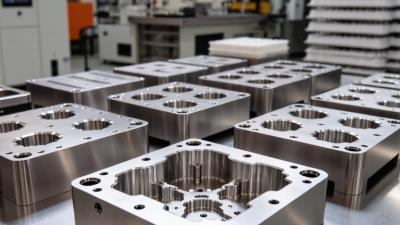
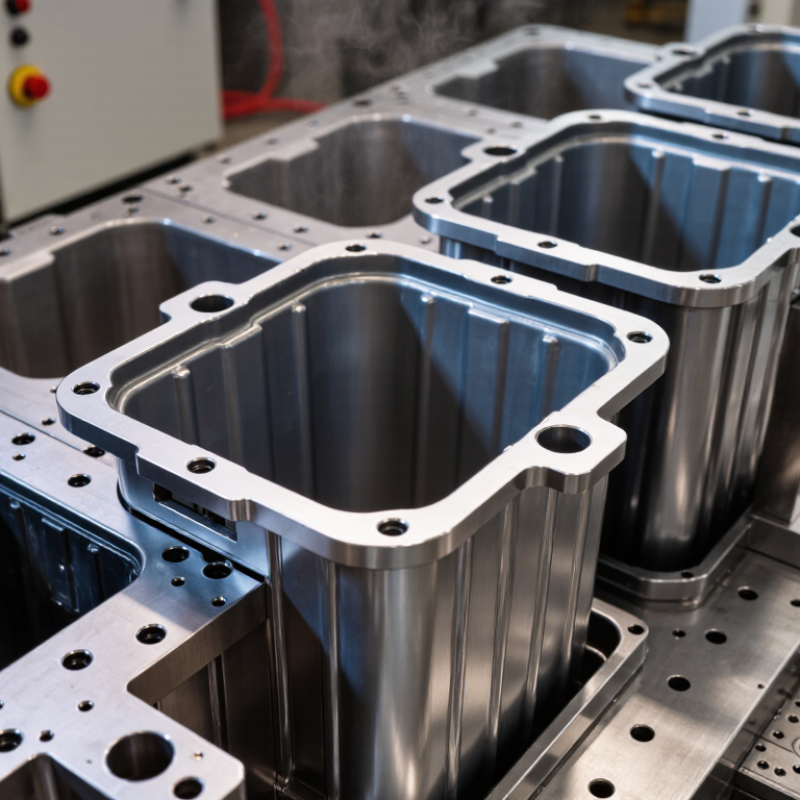
A Plastic Trash Can Mold is a precision tool that shapes molten plastic into a bin. It is not the finished container. The mold contains a cavity formed around the intended size, wall thickness, handles, and rim. In many production lines, an injection molding machine presses plastic into this cavity under controlled heat and pressure. The material cools, the mold opens, and ejector pins help release the part. Then the cycle repeats. Simple in concept.

The mold’s design affects more than appearance. Cooling channels help manage temperature, while gates guide plastic into the cavity. Vents allow trapped air to escape. Poor placement can leave visible marks, uneven walls, or weak areas near a handle. Small details matter. Toolmakers also consider the bin’s expected load, stacking needs, surface finish, and production volume when selecting mold materials and construction. A large outdoor bin may need different design choices from a compact kitchen container.

This guide explains the basic parts and purpose of a plastic trash can mold, along with the design and manufacturing factors that influence its performance. Actual results depend on the resin, machine settings, mold condition, and part geometry. A drawing alone cannot confirm how a bin will perform. That point is easy to overlook. Careful prototyping and testing can reveal issues before full production, though no single mold design suits every application.
What Is a Plastic Trash Can Mold?

Definition and Purpose of a Plastic Trash Can Mold

What Is a Plastic Trash Can Mold?

Definition and Purpose of a Plastic Trash Can Mold

A plastic trash can mold is a shaped tool that forms plastic into a bin’s body and features. Manufacturers heat plastic and press or inject it into the mold, where it cools into a defined shape. The process used depends on the bin’s design and construction. A mold may create details such as a reinforced rim, lid hinge points, textured sides, or openings for wheels. These features affect how the finished can is handled and used.

The mold’s purpose is to make cans with consistent dimensions and repeatable features. A well-designed mold can help control wall thickness, fit, and structural strength. For example, carefully placed ribs may help a broad side resist bending when the bin is full. Fit matters. Even a slight mismatch between the can and its lid can make everyday use frustrating. Mold design also involves trade-offs: thicker areas may add strength, but they can require more material and cooling time.

Tips: When assessing a plastic trash can, look closely at the rim, corners, and wheel mounts. These areas experience frequent handling and contact. Smooth, even surfaces can suggest consistent forming, though appearance alone cannot confirm durability. Small details count. A lid that closes neatly and wheels that sit evenly are practical signs to check.

Key Components and Mold Design

What Is a Plastic Trash Can Mold?
Key Components and Mold Design

For injection-molded bins, the mold is a precision tool that forms the body under heat and pressure. Its cavity defines the exterior; the core shapes the interior. PlasticsEurope’s Plastics – the Fast Facts 2024 report estimates global plastics production at 413.8 million tonnes in 2023. That scale makes material efficiency and consistent production important design concerns.

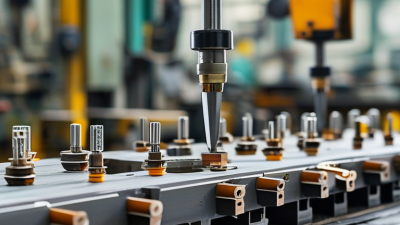
The gate directs molten plastic into the cavity, while vents let trapped air escape. Cooling channels carry water through the mold to help control temperature and cycle time. Ejector pins then push the finished bin free. They need careful placement: a visible mark on a glossy lid may be minor, but a weak spot near a handle can cause trouble. Small details matter.

Designers also consider wall thickness, draft angles, and reinforcing ribs. Draft helps the bin release cleanly; ribs can add stiffness without making every wall thicker. But ribs that are too deep may leave sink marks on the outer surface. There is no perfect trade-off. A mold trial can reveal uneven cooling or sticking that drawings miss, and revisions may still be needed.

Materials Used to Build the Mold

A plastic trash can mold is commonly built around a steel or aluminum cavity, with material chosen for production volume, resin, and surface requirements. Pre-hardened P20 steel is a practical choice for many medium-volume tools. It is machinable and offers a useful balance of strength and cost. H13 tool steel suits hotter, more demanding cycles, while stainless steel can help where moisture or corrosive conditions threaten mold surfaces. Aluminum conducts heat well and is easier to machine, but it may wear faster in high-volume production. No material wins every time.

PlasticsEurope’s Plastics – the Fast Facts 2024 reports global plastics production of 413.8 million tonnes in 2023. The OECD’s Global Plastics Outlook reports 353 million tonnes of plastic waste in 2019, with only 9% recycled. These figures describe industry scale, not mold performance, but they underline why durable tooling and consistent molding matter. Mold bases are often made from structural steel, while replaceable inserts may use harder tool steel at edges and wear points. Cooling channels are typically drilled into the mold body; their layout can matter as much as the alloy. A detail easy to overlook. Material selection should be checked against the chosen resin, expected cycle count, and maintenance plan. Even a robust steel mold can disappoint if cooling or venting is poorly designed.

What Is a Plastic Trash Can Mold? - Materials Used to Build the Mold

Mold Component Common Material Purpose in the Mold Typical Selection Considerations
Core and cavity Pre-hardened P20 tool steel Forms the inside and outside surfaces of the trash can and withstands repeated injection-molding cycles. Often selected for medium-volume production because it offers a practical balance of machinability, strength, and service life.
Core and cavity for demanding production H13 hot-work tool steel Provides a durable molding surface for large parts and long-running production applications. May be chosen when greater toughness, wear resistance, or resistance to thermal cycling is needed.
Corrosion-resistant cavity surfaces Stainless mold steel, such as 420-type steel Helps protect mold surfaces from corrosion and can support a polished finish. Useful where moisture, corrosive conditions, or a demanding surface-finish requirement affects mold maintenance.
Mold base and support plates Carbon or low-alloy steel Holds the mold plates, guides, and other components in alignment and provides structural support in the molding machine. Material grade depends on mold size, required stiffness, machining needs, and expected production load.
Cooling-channel inserts and baffles Copper alloys, where suitable Help transfer heat from selected areas of the mold to the cooling circuit. Used selectively because copper alloys conduct heat well but are generally softer than tool steel.
Prototype or short-run mold components Aluminum alloy Can be machined into mold components for trials or lower-volume production. Its lower wear resistance compared with tool steel can limit suitability for long production runs or abrasive conditions.
Guides, ejectors, and other moving parts Hardened tool or engineering steel Supports mold opening, alignment, and part ejection after the plastic has cooled. Grades and surface treatments are chosen according to movement, load, wear, and lubrication requirements.

Note: The exact materials vary with trash-can size, plastic resin, production volume, mold design, and required surface finish. The mold is typically built from several materials rather than one material throughout.

How the Trash Can Molding Process Works

What Is a Plastic Trash Can Mold?

How the Trash Can Molding Process Works

A plastic trash can mold is a shaped steel tool that gives heated plastic its form. Its inner cavity defines the can’s body, rim, base, and details such as handle openings. Mold design matters: uneven walls can cool at different rates and cause warping. A sturdy mold also needs carefully placed channels to carry cooling water.

The process starts with measured plastic pellets, often polyethylene, fed into a heated molding machine. Once softened, the material is pushed into the closed mold under pressure. Cooling takes patience. Water channels help the plastic harden evenly, then the mold opens and ejector pins release the can. Workers trim small excess edges and check the rim, base, and dimensions. On wheeled models, the axle area and wheel mounts need close inspection. A minor defect there can affect everyday handling.

Tips: Keep the wall thickness as consistent as the design allows, and inspect parts after cooling, not just while warm. Watch for sink marks near thick corners. Still, this is not foolproof: machine settings, resin flow, and room conditions can all change results. A simple test run can reveal problems before full production begins.

Design Factors That Affect Mold Performance

What Is a Plastic Trash Can Mold?

Design Factors That Affect Mold Performance

A plastic trash can mold forms the container’s shape under heat and pressure. The molding process may vary with the bin’s size and construction. For injection molding, cavity geometry, wall thickness, and resin flow all influence the finished part.

Even walls help reduce uneven cooling, but real designs rarely stay perfectly uniform. Reinforced corners and thick rims can cool more slowly than broad panels, increasing the risk of warpage. Draft angles help the bin release from the mold, while carefully placed gates guide material into the cavity. Poor flow can leave visible weld lines near handles or ribs.

Small details matter.

Cooling channels affect both cycle time and dimensional stability. If one side cools faster, the bin may twist or sit unevenly on a flat floor. Venting also matters: trapped air can cause surface marks or incomplete filling. Ejector placement should avoid leaving dents on visible panels.

There is no perfect layout for every bin. Trial runs, measurements, and adjustments reveal what drawings cannot.

Test it.

A practical mold review should consider the actual resin, expected load, and production conditions, not geometry alone.