What Are the Top Flower Pot Mould Types in 2026?
Choosing the right Flower Pot Mould in 2026 means matching the tool to the pot, material, and production volume. A small ceramic planter and a thin-walled plastic nursery pot demand different mould designs. Drainage holes, rim strength, surface texture, and release angle all affect the finished product. Small details matter.
Grand View Research’s flower pots market analysis tracks the category by material, application, and region. It offers useful context for manufacturers assessing demand, but market growth alone cannot identify the best mould. Production needs matter more. Injection moulds can support repeatable, high-volume plastic production. Compression moulds suit certain composites, while silicone moulds are useful for small-batch casting and detailed shapes. Thermoforming and rotational moulding may also fit particular designs and output goals.
Edges tell stories. A rough rim or blocked drainage opening can reveal a mismatch between the mould and the process. Buyers should compare tooling cost, expected cycle time, material compatibility, and maintenance needs before choosing a type. The cheapest option may become expensive if it produces frequent defects.
The supplied material contains no verifiable quotation from a named Flower Pot Mould specialist. Rather than inventing one, this introduction avoids false attribution. That limitation matters: a credible comparison should rely on documented specifications, production trials, and traceable expert evidence. The sections ahead examine leading mould types and where each performs best in 2026.
What Flower Pot Moulds Are and How They Shape Production
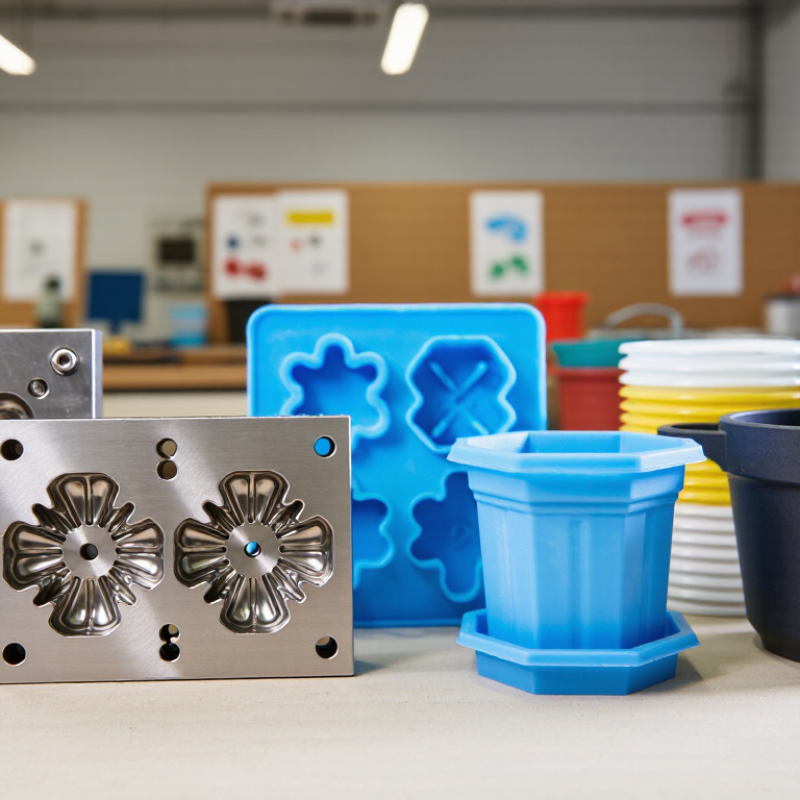
A flower pot mould is a shaped cavity that gives raw material its form. During production, material enters or is pressed into the cavity, then cools or sets before removal. The mould controls details such as wall thickness, rim shape, drainage openings, and surface texture. Small details matter. A slightly uneven rim can affect stacking, while a poorly placed drain hole may leave water trapped around roots.
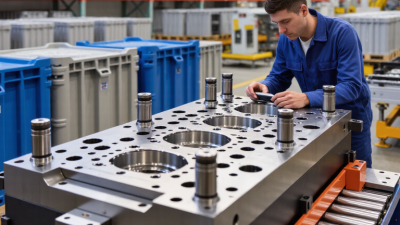
Common mould designs include single-cavity and multi-cavity tools for plastic production, plus split moulds used for materials such as concrete. A single cavity can suit smaller runs or frequent design changes. Multi-cavity moulds produce several pots per cycle, but they need balanced filling and consistent cooling. Otherwise, pots may shrink unevenly or vary in weight. Not always.
Mould design shapes more than appearance. Draft angles help pots release cleanly, and rounded corners can reduce stress during demoulding. Venting lets trapped air escape; cooling channels help manage cycle time and dimensional consistency. Tool material and surface finish also affect durability and maintenance needs. A highly polished cavity is not always the answer: textured surfaces may hide minor scuffs, but they can make cleaning harder. The right design depends on the material, production volume, and intended pot shape, so trial runs remain useful before full-scale production.
Which Plastic Mould Types Suit High-Volume Pot Manufacturing?
For high-volume flower pot production, multi-cavity injection moulds are often a strong fit. One machine cycle can form several rigid pots, while balanced runners help each cavity fill consistently. The mould must account for plastic shrinkage, wall thickness, and drainage-hole geometry. Small differences matter.
Hot-runner systems can reduce scrap by keeping plastic molten inside the mould, though their added cost and maintenance need careful review. For thin nursery pots, thermoforming can be more economical: heated plastic sheet is shaped over a tool, then trimmed. It suits lightweight designs, but may offer less control over deep features and rim strength. Not always.
Cycle time depends on cooling as much as mould layout. Check that water channels cool the base and sidewalls evenly; uneven cooling can cause warping or slow release. Before committing to many cavities, run samples and inspect rim flatness, drainage holes, and pot dimensions. A fast cycle is not useful if parts stick or vary. Tool life, resin choice, and the available press also affect the decision. Worth checking. A lower-cost mould may still become expensive if frequent repairs interrupt production.
How Do Concrete, Ceramic, and Silicone Pot Moulds Differ?
For 2026, the best flower pot mould depends on the material and finish you want.
Moulds for concrete pots are usually rigid shells made from plastic, metal, or similar materials. Their firm walls help keep straight sides and crisp geometric details. They suit repeat casting, especially when several matching pots are needed. The trade-off is removal: tight corners can trap a cured pot, so a suitable release agent and careful mould design matter. Check the inner surface, too. Small scratches may show on the finished concrete. Worth checking.
Ceramic pot moulds often use porous plaster for slip casting. The plaster draws moisture from the clay, helping a layer build against the mould wall. This method can produce fine shapes, but drying time and mould condition affect results. Damp plaster may cause uneven walls. Silicone moulds are flexible, so they release rounded or detailed pots with less force. They are convenient for small batches and intricate patterns, though thin silicone may bulge under heavy cement or clay. Support it in a rigid outer container. One detail is easy to miss: a mould suited to concrete may not suit ceramic slip. Match the mould to the material, pot shape, and production pace rather than choosing by appearance alone.
What Design Features Set Modern Flower Pot Moulds Apart?
Modern flower pot moulds are designed around more than a pleasing outline. They must form clean rims, consistent wall thickness, and drainage openings without making removal difficult. A slight taper helps the finished pot release from the mould, while rounded interior corners reduce stress points in the product. Small details matter.
Texture is another key feature. Fine grooves, woven impressions, or stone-like surfaces can add grip and visual depth, but the pattern must remain shallow enough for reliable release. Split moulds and removable inserts make complex shapes easier to produce and clean. They also let makers change a rim, base, or surface detail without rebuilding the entire tool.
Good mould design considers the material and production method, too. A mould for concrete needs different reinforcement and release planning from one used for soft clay. Clear alignment guides help prevent mismatched seams, and accessible channels make drainage features easier to inspect. In practice, even a well-planned texture can trap residue if its recesses are too deep. Not every fashionable rib is worth keeping. Testing sample pots reveals flaws that drawings may miss, including rough edges and uneven bases.
How to Choose a Flower Pot Mould for Your 2026 Needs
What Are the Top Flower Pot Mould Types in 2026?
How to Choose a Flower Pot Mould for Your 2026 Needs
Start with the pot’s job, not the mould’s price. For high-volume nursery pots, injection moulds suit repeatable shapes, thin walls, and drainage features. Thermoforming can work well for lightweight pots and shorter production runs, while pulp-moulding tools suit fibre-based containers. Each process has trade-offs. Injection tooling can cost more upfront; thin thermoformed rims may flex under heavy, wet soil. Check that the design releases cleanly and stacks without wedging. Test a sample with damp growing medium, not just an empty pot.
Match the mould to material, output, and tolerances. Ask suppliers for cycle-time estimates, expected shrinkage, and maintenance intervals, then verify these with a production trial. USDA NASS’s 2023 Floriculture Crops report put the wholesale value of covered U.S. floriculture production at about $6.7 billion, showing the scale of the market—but not guaranteeing demand for any one pot style. For your own forecast, measure actual order sizes and seasonal peaks. Confirm drainage-hole dimensions, rim consistency, and stack height across several batches. Small defects add up. One detail is easy to miss: a pot that nests tightly when warm may stick after cooling. Include that test in your mould evaluation.