10 Essential Tips for Selecting the Best Flat Pallet for Your Business?
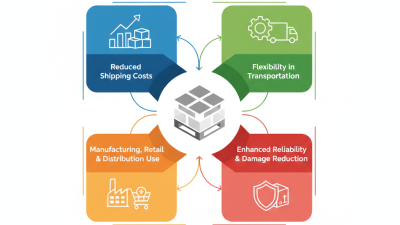
Choosing the right Flat Pallet for your business can significantly impact efficiency and cost. Industry experts emphasize that selecting the right pallet can reduce shipping costs by up to 30%. According to a report by Logistics Management, the global market for Flat Pallets is expected to reach $67 billion by 2025. This growing market reflects the critical role these pallets play in logistics and supply chain management.
David Reynolds, a leading expert in pallet technology, stated, "The right Flat Pallet can streamline operations and enhance product safety." His insights highlight the importance of understanding your unique needs. Choosing a Flat Pallet involves considering various factors such as material, size, and load capacity. Moreover, standards in quality can vary, leading to potential challenges.
Selecting Flat Pallets is not just a logistics decision; it affects your entire operation. Therefore, careful consideration and expert guidance are vital. Errors in this selection could lead to inefficiencies. It’s essential to prioritize the right information while navigating the numerous options available. An informed choice in Flat Pallet selection can set the foundation for your business's success.
Understanding Different Types of Flat Pallets Available on the Market
Choosing the right flat pallet is crucial for efficiency.
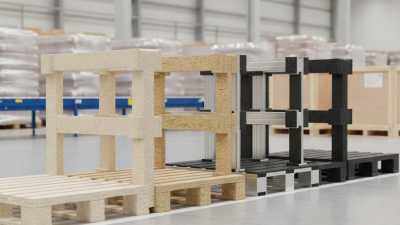
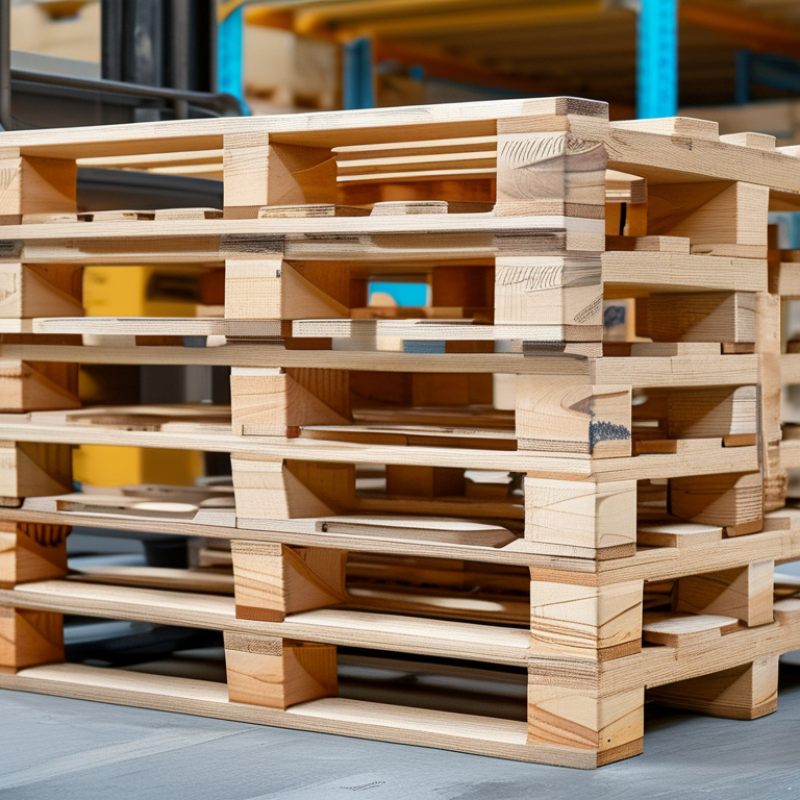
Different types of flat pallets exist, each suited for various applications. For instance,
wood pallets are traditional and versatile,
offering a load capacity of about 1,500 to 2,500 pounds,
which is suitable for many industries. However, they can suffer from moisture issues and pest infestations,
leading to potential supply chain disruptions.
Plastic pallets, on the other hand, are increasingly popular.
Reports indicate that they can last up to ten years. They resist moisture and chemicals better than wood,
making them ideal for food and pharmaceutical industries. Some plastic pallets can hold up to
3,000 pounds, which is a significant advantage.
Their higher initial cost might be a deterrent, but the long-term savings are considerable.
Metal pallets, used less frequently, provide unmatched durability.
They can support heavy loads and endure extreme conditions. However, their weight and cost can be prohibitive for some businesses.
Evaluating the life cycle of your pallets is essential.
Consider how often you will need to replace them and the maintenance involved.
Balancing durability and cost is key to selecting the best flat pallet for your needs.
Evaluating Load Capacity and Durability for Your Business Needs
Selecting the right flat pallet is crucial for your business, especially when evaluating load capacity and durability. Start by determining the types of products you plan to transport. Heavy items require pallets with higher load capacities, typically rated in pounds or kilograms. Check the specifications carefully. A pallet may look sturdy but can fail under excessive weight.
Durability is another key factor. Examine the materials used in the pallet's construction.
Wood, plastic, and metal options each come with unique benefits. Wooden pallets are often susceptible to wear but can support heavy loads. Conversely, plastic pallets are lighter and resistant to moisture.
However, they might not handle extreme weights as well. Reflect on your specific needs. Look for pallets that endure harsh conditions if you operate in challenging environments.
Ultimately, understanding these elements can prevent costly mistakes.
Insufficient load capacity may lead to accidents. A broken pallet can damage goods and disrupt operations.
Consider investing in quality over quantity. A single reliable pallet can often outperform several cheaper ones. Choose wisely, and prioritize what truly matters for your business.
Considering Material Options: Wood, Plastic, and Metal Pallets Explained
When selecting the best flat pallet, considering material options is crucial. Wood, plastic, and metal pallets each have unique advantages. For instance, wood pallets offer strength and reliability. They are often used in industries that require durability. However, they can splinter and may absorb moisture, leading to hygiene concerns.
Plastic pallets are another popular choice. They are lightweight and resistant to moisture. This makes them ideal for food and pharmaceuticals. However, they may not support heavy loads as well as wood or metal. It's important to assess the specific needs of your business.
Metal pallets provide strength and longevity. They are perfect for heavy-duty applications. However, they can be heavy and costly. A balance between cost and utility is important. Always evaluate the specific loading conditions and your environment.
Tip: Analyze your storage and transport requirements carefully. This will impact your pallet choice significantly. Also, consider the lifespan you expect from your pallets. Longevity can affect your overall investment. Investing in the right material can save you time and money in the long run. Make an informed decision based on these factors to optimize your operations.
10 Essential Tips for Selecting the Best Flat Pallet for Your Business
| Material Type |
Weight Capacity (lbs) |
Durability |
Cost (USD) |
Environmental Impact |
| Wood |
2000 |
Moderate |
$15 - $30 |
Biodegradable |
| Plastic |
1500 |
High |
$25 - $50 |
Recyclable |
| Metal |
3000 |
Very High |
$50 - $100 |
Recyclable |
Analyzing Cost-Effectiveness and Long-Term Investment in Pallets
When selecting flat pallets for your business, cost-effectiveness is a crucial factor. A recent industry report shows that businesses can save up to 30% on shipping costs by using the right pallet type. This statistic highlights the importance of analyzing your pallet options closely. Pallets impact not only transportation costs but also storage and handling efficiency.
Long-term investment is another key consideration. While the initial purchase price may seem appealing, investing in higher quality pallets can significantly reduce replacement frequency. According to data from industry experts, durable pallets can last up to four times longer than cheaper alternatives. This longevity translates to less waste and lower operational costs over time.
Moreover, maintenance costs often comprise a hidden expense. Regular inspections and repairs can accumulate. Inadequate pallets may lead to product damage or safety hazards, increasing liability. Balancing upfront costs with these ongoing expenses is vital. Businesses frequently overlook this, risking future financial strain. Thoughtful choices today will foster profitability in the long run.
Cost-Effectiveness Analysis of Different Types of Flat Pallets
Assessing Compatibility with Your Existing Warehouse Equipment and Systems
Selecting the right flat pallet is crucial for efficient warehouse operation. Assessing compatibility with your existing equipment is a vital step. Consider the dimensions of your forklifts and pallet jacks. Ensure the pallet size matches their specifications.
According to industry reports, mismatched equipment can lead to 20% increased labor costs. An incompatible pallet can also result in increased damages to goods.
Tips for evaluating compatibility include checking load capacities. Each pallet type has a specific weight limit. Overloading may cause equipment failure or accidents. Inspect the material of your existing systems. If you use a specific type of pallet, stick to similar materials for new pallets. This reduces stress on your handling equipment.
Communication with your employees is important. Seek feedback about equipment performance. If they notice frequent issues, it may be time to reassess your choices. Keeping an eye on wear and tear also helps. A 2022 logistics report highlighted that 30% of equipment failures stem from compatibility issues. Regular assessments ensure your warehouse runs smoothly.