Why Choose a Flat Pallet for Your Shipping and Logistics Needs?
When it comes to shipping and logistics, choosing the right equipment is crucial. An industry expert, John Smith, once stated, “A flat pallet is often the unsung hero of efficient logistics.” This highlights the importance of the flat pallet in modern supply chains.
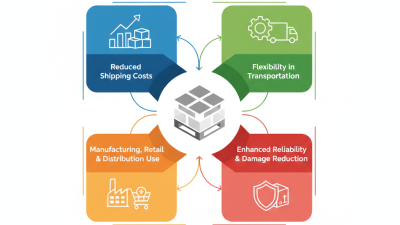
Flat pallets provide a stable base for various goods, ensuring safe transportation. Their design allows for easy stacking and efficient use of space. This can lead to reduced shipping costs, a major advantage in today’s competitive market. Additionally, flat pallets are easy to handle, which can improve workplace efficiency.
However, one must consider the right material and size. Not all flat pallets are the same; variations exist for specific needs. Choosing the wrong type can result in complications. It’s essential to weigh the options carefully. Adopting a flat pallet solution can streamline logistics, yet it’s not without its challenges. Continual assessment and adjustment remain vital for success.

Benefits of Using Flat Pallets in Shipping and Logistics
Flat pallets are increasingly popular in shipping and logistics due to their versatility and efficiency. They allow for uniform stacking, which maximizes space utilization in shipping containers and warehouses. When goods are loaded on flat pallets, stability improves. This enhances safety during transportation. Fewer spills and damages occur when products are secured properly.
Additionally, flat pallets are lightweight, which can reduce shipping costs. Using lighter pallets allows businesses to ship more products without exceeding weight limits. This, in turn, can lead to higher profit margins. The design of flat pallets also simplifies the loading and unloading process. Forklifts and pallet jacks easily maneuver these pallets, saving time and labor costs.
However, there are some challenges to consider. Not all goods fit neatly on flat pallets. Businesses need to assess their specific needs before committing. Durability is another concern. Though flat pallets are cost-effective, they may not withstand heavy loads over time. It's crucial to evaluate the type of materials used to build the pallets. This reflection can lead to better decision-making in the long run.
Types of Flat Pallets and Their Applications
Flat pallets are essential tools in shipping and logistics. Their designs vary widely, catering to different industries. For instance, wooden pallets are widely used in agriculture due to their durability. According to the European Pallet Association, over 450 million wooden pallets circulate in Europe alone. This volume illustrates their importance in supporting heavy loads and withstanding environmental challenges.
Plastic pallets are gaining traction as they are lighter and more resistant to moisture and chemicals. The Global Plastic Pallet Market Report predicts a compound annual growth rate of 6.7% through 2027. This shift reflects the increasing demand for efficiency and sustainability in supply chains. In contrast, metal pallets offer high strength and durability, ideal for heavy-duty applications in manufacturing. However, they tend to be more expensive, which raises questions about cost-effectiveness for small businesses.
Companies must consider their specific logistics needs when choosing a flat pallet type. While wooden pallets may be cheaper upfront, their lifespan can be shorter compared to plastic. This trade-off requires careful evaluation. Ultimately, selecting the right pallet involves balancing costs, durability, and the nature of the goods being transported.
How Flat Pallets Improve Efficiency in Supply Chain Management
Flat pallets have become the backbone of efficient logistics. They provide a sturdy, uniform base for transporting goods. With a flat surface, items stack neatly, reducing the risk of damage. This design also maximizes space in trucks and warehouses, making transportation more cost-effective.
Using flat pallets can significantly streamline supply chain management. Teams can quickly load and unload goods, saving time during material handling. Streamlined processes minimize product loss and increase recovery rates. However, not every cargo suits flat pallets. Some irregularly shaped items might require different solutions. Evaluating your product types is critical for optimizing pallet use.
Tips: Ensure pallets are in good condition. Inspect them regularly. Create clear guidelines for pallet usage in your operations. Train staff members on best practices for loading and unloading. Regular reviews can reveal opportunities for improvement, enhancing overall efficiency.
Factors to Consider When Choosing Flat Pallets
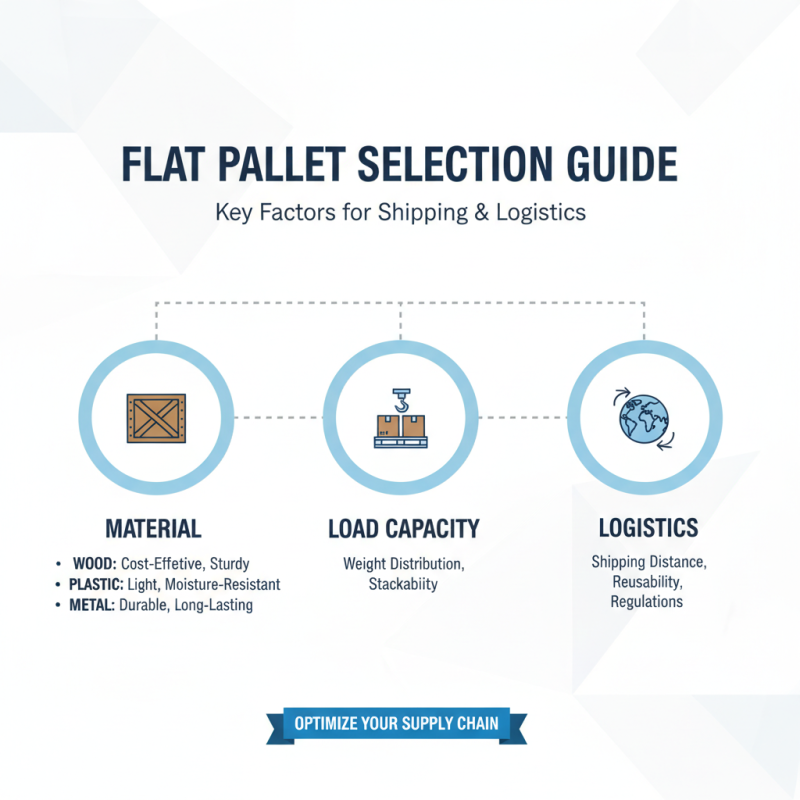
When selecting flat pallets for shipping and logistics, several key factors come into play. Firstly, consider the material of the pallets. Wood, plastic, and metal are common choices, each having unique benefits. Wooden pallets are sturdy and cost-effective, while plastic options are lighter and resistant to moisture. Metal pallets, though often more expensive, provide durability and longevity.
Next, think about the weight capacity. Ensure the pallets can handle the load of your shipments. Overloaded pallets can lead to damage or accidents during transit. Additionally, consider the size of the pallets. Flat pallets come in various dimensions, and choosing the right size can optimize space during transportation, saving costs.
It’s also essential to reflect on the environmental impact. Sustainable options are increasingly available. Eco-friendly pallets made from recycled materials can reduce your carbon footprint. However, ensure that these options meet your standards for durability and support. Balancing cost, material, and eco-friendliness can be challenging, but taking the time to assess these factors will make a significant difference in your logistics operations.
Cost-Effectiveness of Flat Pallets for Shipping Solutions
Choosing a flat pallet for shipping offers significant cost advantages. According to industry reports, flat pallets can reduce shipping costs by 15-20% compared to other options. Their design allows for efficient stacking and maximizing space in transport. This is crucial in a world where logistics efficiency directly affects the bottom line.
Tips: Always calculate the weight and volume of your products. This helps in selecting the right pallet size, ensuring you avoid excess fees or wasted space.
Moreover, flat pallets often incur lower handling fees. They simplify loading and unloading processes. A streamlined operation minimizes labor costs and reduces the risk of damage. However, it’s important to regularly assess the condition of your pallets. Wear and tear can lead to inefficiencies.
Additionally, using flat pallets contributes to sustainability efforts. More pallets per load mean fewer journeys required. According to a study by a leading logistics research firm, up to 30% reduction in carbon footprint can occur with better pallet choices. This dual benefit of cost savings and environmental impact is increasingly important in today’s market.
Why Choose a Flat Pallet for Your Shipping and Logistics Needs? - Cost-Effectiveness of Flat Pallets for Shipping Solutions
| Dimension |
Flat Pallet Type |
Cost (per unit) |
Weight Capacity |
Material |
Ideal Use |
| 48" x 40" |
Wooden Flat Pallet |
$10.00 |
2,500 lbs |
Wood |
Heavy Loads |
| 48" x 40" |
Plastic Flat Pallet |
$15.00 |
2,800 lbs |
Plastic |
Food Industry |
| 48" x 40" |
Metal Flat Pallet |
$25.00 |
3,000 lbs |
Metal |
Industrial Goods |
| 42" x 42" |
Wooden Flat Pallet |
$12.00 |
2,000 lbs |
Wood |
Retail Shipping |
| 48" x 48" |
Plastic Flat Pallet |
$18.00 |
2,500 lbs |
Plastic |
Pharmaceuticals |