How to Choose the Best Filter Plate Mold for Your Needs?
Choosing the right filter plate mold can significantly impact your production process. The right mold ensures efficiency and quality in filtering applications. However, many factors play a role in this decision.
Different types of filter plate molds are available today. Each one has its unique features and specifications. It’s essential to evaluate your specific needs. Consider factors such as material compatibility, mold size, and filtration rates. A poor choice can lead to inefficient processes and increased costs.
Understanding your requirements is crucial. Research and gather insights from experts in the field. Consult with manufacturers who can provide guidance. Reflect on your past experiences with filters, both positive and negative, to refine your choices. Making an informed decision can save time and resources in the long run.
Understanding Different Types of Filter Plate Molds Available in the Market
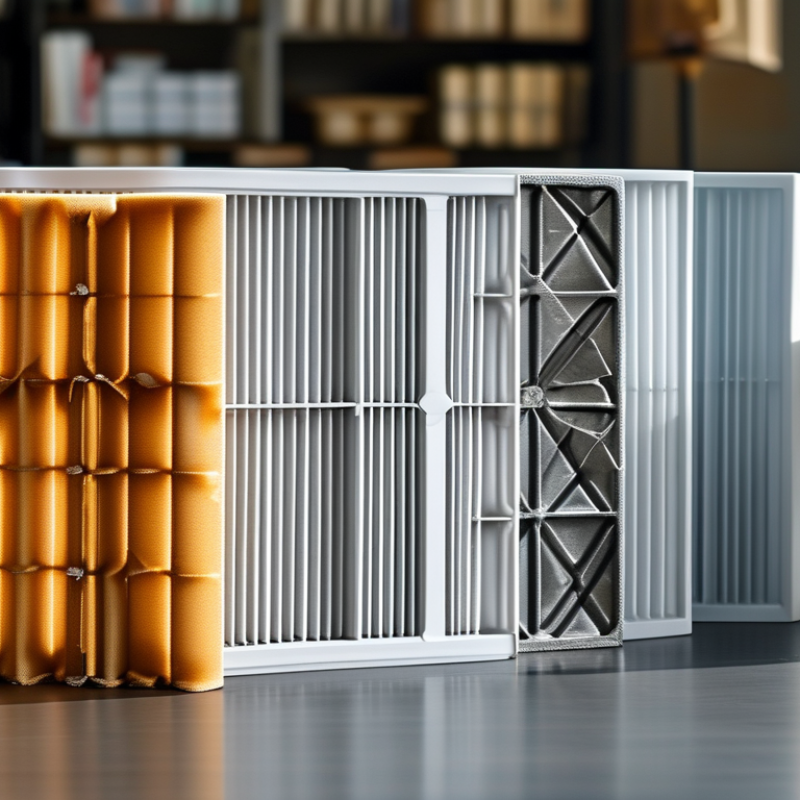
When selecting a filter plate mold, it's essential to understand the various types available. Filter plate molds are crucial in many industries, particularly in water treatment and chemical processing. The materials used can vary greatly, impacting performance and durability. Common materials include polypropylene and stainless steel. Each has its advantages, such as corrosion resistance or high-temperature tolerance, making it vital to consider your specific needs.
In addition to materials, the design of the mold plays a critical role. Some molds offer a simplified design for easier maintenance, while others provide complex configurations for enhanced filtration efficiency. Consider factors like the size and shape of the mold. A larger surface area can improve filtration rates, but it may also require more space and resources.
It's also worth reflecting on the manufacturer’s reputation. Choosing a well-established company can provide peace of mind. However, sometimes smaller or newer manufacturers offer innovative solutions. Balancing reliability with the latest advancements can be tricky. Ensure that you conduct thorough research and seek advice from industry experts to make an informed choice.
Key Factors to Consider When Selecting a Filter Plate Mold for Applications
When selecting a filter plate mold, several key factors come into play. Understanding the specific application is crucial. Different industries require molds designed for various filtration processes. For example, a mold used in food processing must meet stringent hygiene standards, while those for industrial chemicals might prioritize durability. According to a report by the Filtration Society, approximately 70% of filtration system failures arise from inadequate mold selection.
Material selection is another significant consideration. The choice between plastics and metals can impact both performance and lifespan. Plastic molds offer lightweight advantages but may not withstand high pressures like their metal counterparts. A recent study indicated that metal molds can last up to 20% longer than plastic in high-stress environments.
Tip: Assess the chemical compatibility of the mold material with the substances being filtered. It’s essential to ensure that no reactions will compromise the integrity of the filtration process.
Design features should also be evaluated. Options like drainage slots or variable thickness can affect efficiency. For instance, molds with enhanced drainage can reduce clogging and increase throughput. On the flip side, overly complex designs could lead to production delays or increased costs.
Tip: Always analyze the long-term operational costs against the initial investment. Sometimes higher upfront costs are justified by the savings in operation and maintenance.
Evaluating Material Compatibility for Filter Plate Mold Performance
Material compatibility is crucial when selecting a filter plate mold. Various materials can affect the performance and durability of the mold. Studies show that using incompatible materials can lead to premature wear and failure. For instance, polypropylene molds offer excellent chemical resistance. However, they may not perform well in high-temperature environments.
When evaluating materials, consider the application requirements. A report by the Filtration Society states that around 40% of filter failures linked to material incompatibility arise in industrial processes. This emphasizes the importance of aligning material properties with operational conditions. For high-pressure applications, metal molds are often preferred for their strength.
Always test materials before full-scale implementation. Real-world conditions can differ from laboratory settings. An empirical study indicates that 25% of materials perform differently under varied temperature and pressure loads. Understanding these dynamics can help optimize mold design for specific filtration needs.
Cost vs. Quality: Making Informed Decisions for Filter Plate Molds
Choosing the right filter plate mold involves a careful consideration of cost and quality. According to industry reports, approximately 70% of users prioritize quality over price. However, the perception of "quality" varies widely. High-quality molds often lead to improved filtration efficiency. They can reduce maintenance costs and enhance the overall lifespan of your operations. But is a higher price always justified?
When selecting a filter plate mold, understand your specific needs. Not all applications require top-tier materials or advanced features. For lighter filtration tasks, lower-cost options might suffice. Yet, for industries that demand precision—like pharmaceuticals or food processing—investing in quality molds is critical. A 2022 study indicated that companies focusing on superior molds saw a 25% reduction in malfunction rates.
Tip: Always request samples before committing. This ensures the mold meets your application standards without the risk of costly mistakes.
Balance your budget with quality requirements. An initial investment in superior molds can lead to long-term savings. But weigh the options carefully. Purchase decisions should be backed by data and experience. For instance, consider the material types. Polypropylene molds are lighter and less expensive but may have a shorter lifespan. In contrast, stainless steel molds are durable but come with higher costs.
Tip: Consult with industry experts to navigate these choices. Their insights can help you avoid common pitfalls and select wisely.
Maintenance and Longevity: Ensuring Optimal Use of Your Filter Plate Mold
Proper maintenance of filter plate molds is crucial for their longevity and optimal performance. Industry studies show that molds can last up to 15 years with the right care. Regular inspections help identify wear and damage early. Cleaning the mold immediately after each use can prevent buildup. This routine is essential; it affects the mold's integrity and functioning.
Temperature control during storage is also vital. Keeping molds in stable conditions prevents warping. For example, storing at temperatures between 15°C and 25°C is optimal. However, fluctuations can lead to cracks. Additionally, employing a dedicated maintenance schedule improves efficiency. Skipping this step often leads to unexpected failures. It's not just about immediate use; long-term planning matters.
Educating staff on proper handling of molds is equally important. Misuse is a common issue that shortens mold life. Regular training sessions can help reduce mistakes. Tracking usage and wear can assist in making informed decisions about replacements. This data-driven approach fosters a culture of care and responsibility. Maintenance is not an afterthought; it is a strategy for success.
Optimal Maintenance for Filter Plate Molds
This chart illustrates the recommended maintenance frequency for optimal use of filter plate molds. Regular inspections and cleaning are crucial to extend the longevity and efficiency of the molds.