inquiry
Leave Your Message

China Best Glass Bottle Storage Box Mold Supplier?

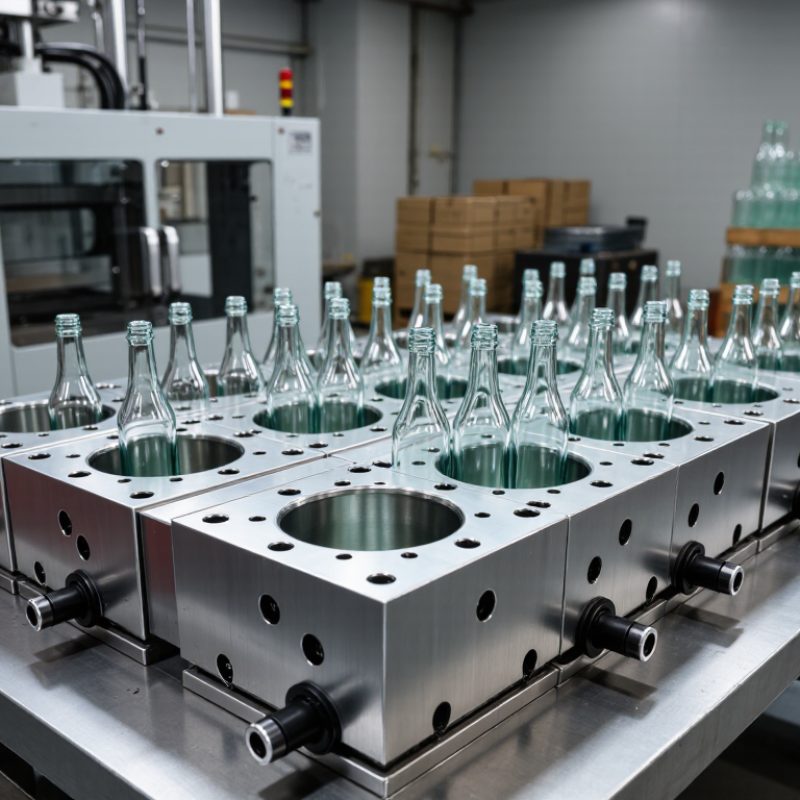
Choosing a China supplier for a Glass Bottle Storage Box Mold takes more than comparing prices. The mold must produce boxes that hold bottles steadily, protect corners, and stack without rocking. Small details matter. Check cavity layout, wall thickness, cooling channels, venting, and ejection design. These choices affect cycle time and the finish around each bottle compartment.

John P. Beaumont is a recognized injection-molding author and consultant. A practical paraphrase of his process-focused guidance is: “A reliable molded part begins with a well-controlled process and a mold designed for its material.” This is a paraphrase, not a verified verbatim quotation. For buyers, it points to useful questions: Has the supplier molded similar storage products? Can it explain its resin recommendations? Will it share trial samples and dimensional inspection records? Ask to see the gate area and box corners closely. Those spots often reveal avoidable defects.

A capable supplier should discuss steel selection, expected mold life, maintenance, and production capacity in specific terms. Request drawings, tolerances, and a clear sampling plan before approving tooling. Then inspect real parts, not only polished photographs. A first trial may expose uneven cooling or a lid that fits too tightly. That is useful evidence, not a reason to rush. No mold is perfect on paper; careful testing and honest revisions help turn a promising design into dependable production.
China Best Glass Bottle Storage Box Mold Supplier?

What Is a Glass Bottle Storage Box Mold?

What Is a Glass Bottle Storage Box Mold?

A glass bottle storage box mold is the precision tool used to form a box, tray, or divider that holds and protects bottles. It shapes the storage container, not the glass bottle itself. Depending on the product, the box may be made from molded plastic or formed pulp, and each process requires different tooling. Small details matter.

For a plastic design, engineers consider bottle diameter, box dimensions, wall thickness, and the number of compartments. Ribs can add strength without making every wall thick. Rounded corners help reduce stress points, while a small draft angle helps release the finished part from the mold. A few millimeters can affect whether bottles sit securely or rattle during handling.

Mold planning also includes cooling, parting lines, and ejection points. These choices influence cycle time and surface quality. A practical sample test is essential: place real bottles into the box, check clearance around the necks, and inspect how dividers flex under load. Fit is not theoretical. One detail that is easy to miss is bottle variation; nominal dimensions may not reflect every production batch. That can require a little more clearance than the drawing suggests.


What Is a Glass Bottle Storage Box Mold?

A storage box mold forms the box and its bottle-supporting compartments. The chart shows an illustrative six-bottle box design—not a universal specification. Final dimensions should be checked against the bottles, material, and production process.

Design note: Overall dimensions describe the example box; cavity pitch is the center-to-center spacing between bottle compartments. Confirm clearances and wall thickness with a physical bottle sample before making the mold.

How Are These Molds Designed and Manufactured?

Design begins with the bottle dimensions, target box capacity, and the way users will lift and carry it. Engineers allow clearance around each bottle so glass does not rub against hard walls during handling. Ribs or shaped dividers can reduce movement, while rounded corners help the box release from the mold. Small details matter. Wall thickness must balance strength with cooling time and material use. A design that looks neat on screen may still create weak corners or difficult ejection.

After design review, mold makers machine the cavity and core from selected tool steel, then finish critical surfaces and add cooling channels and vents. Their positions affect cycle consistency, but they cannot fix every design flaw. The mold is assembled and tested with sample material. Technicians inspect box dimensions, fit, surface marks, and whether bottles sit securely in their compartments. Then comes testing. If a divider bends or a bottle rattles, the team may adjust the mold or revise the part design. Measurements should be recorded across multiple samples, not just one successful shot. This step takes time, and rushed trials can hide problems that appear later in production.

Which Materials and Quality Standards Matter?

For a glass bottle storage box, material choice affects impact resistance, weight, and fit. Polypropylene is light and handles repeated use well. High-density polyethylene offers useful toughness, though it may feel less rigid. Clear plastics can show scratches and stress marks more readily. That trade-off matters.

Not every box needs the same resin. A mold supplier should ask about bottle dimensions, loaded weight, stacking, and storage temperature before recommending one. For the mold, pre-hardened steel can suit moderate production volumes; hardened steel may better withstand long runs. Ask for steel certificates, cavity measurements, and trial samples. A clean surface is not enough.

Quality checks should cover wall thickness, warpage, corner impacts, and whether bottles stay secure during handling. ISO 9001 certification can indicate a documented quality-management system, but it does not prove that every box meets your requirements. Set measurable acceptance criteria and confirm them with samples. If the box contacts food or drink, verify applicable local requirements for the chosen resin.

One detail is easy to miss: a box may pass a visual check but still crack when stacked. Test it under realistic load before approving production.

How to Evaluate Chinese Mold Suppliers

Evaluating a Chinese mold supplier starts with evidence, not a polished factory video. Ask for a mold-flow analysis, a steel certificate, and a dimensional inspection plan. For a glass-bottle storage box, check wall thickness, corner radii, draft angles, and cooling-channel layout. These details affect warpage and how easily the box releases from the mold. Request trial samples made with the intended resin, not a substitute.

Grand View Research estimated the global injection-molded plastics market at about US$284.3 billion in 2023. That figure signals a large, competitive sector, but it does not prove any supplier’s capability. Review the supplier’s own records: trial-shot reports, defect logs, and measured dimensions from several sample pieces. Ask who performs machining and final fitting. Then confirm which processes are handled in-house and which are subcontracted. Small gaps matter.

A live video call can show the mold shop, but it cannot replace a factory audit. Check whether the supplier can explain its tolerance limits and repair process in plain language. Compare quoted cycle times with actual trial data. Ask for a dated schedule with design approval, sampling, and correction milestones. I would also speak with a recent customer, if possible. A low quotation may still hide weak documentation—or a longer correction cycle. That part is easy to miss.

What to Consider When Comparing Costs and Lead Times

China Best Glass Bottle Storage Box Mold Supplier?

When comparing suppliers, look beyond the quoted mold price. A low initial figure may exclude design changes, trial runs, or spare components. Ask what the quote covers, including mold material, cavity count, machining, testing, and sample approval. For a glass bottle storage box, confirm dimensions, wall thickness, and fit with the intended bottle. Small changes can affect both tooling cost and production time.

Tips: Request an itemized quote based on the same drawings and production volume. Get it in writing. Ask whether sample revisions are included, and clarify costs for extra trials before placing an order.

Lead times depend on design complexity, mold construction, and how quickly drawings are approved. Request a schedule with separate dates for design review, mold fabrication, sampling, and any corrections. A supplier’s estimate is more useful when these stages are visible. Ask how progress updates are shared and what could delay delivery. In practice, approvals can take longer than expected, even when the mold itself is straightforward. Leave room for a revision; the first sample may not fit perfectly. Compare suppliers on clear assumptions, not just the earliest promised date.

China Best Glass Bottle Storage Box Mold Supplier? - What to Consider When Comparing Costs and Lead Times

Planning guide for an injection mold used to make a medium-sized plastic storage box for glass bottles. Figures are indicative budgeting ranges, not supplier quotations; actual pricing depends on the final design, dimensions, material, mold specification, and agreed acceptance criteria.

Comparison Dimension Lower-Cost / Shorter-Lead Option Higher-Cost / Longer-Lead Option What to Check When Comparing Quotes
Indicative mold budget About US$18,000–30,000 for a straightforward, single-cavity mold with standard features. About US$30,000–65,000 for a larger or more complex mold, or a multi-cavity arrangement. Confirm that the quote covers mold design, machining, assembly, trial shots, and the agreed sample quantity. Compare the same design and scope.
Mold build lead time Approximately 40–55 working days for a finalized design and a relatively simple single-cavity tool. Approximately 55–75 working days for added slides, complex cores, multiple cavities, or extensive cooling requirements. Ask when the clock starts, how design approval affects the schedule, and whether trial, correction, and sample approval time is included.
Design and product geometry Uniform walls, straightforward parting line, and minimal side actions can reduce machining and fitting work. Deep ribs, undercuts, integrated hinges, textured surfaces, and complex locking details can increase tooling work. Request a design-for-manufacturing review. Changes to the product after mold design approval can affect both cost and delivery.
Cavity count and output A single cavity usually has a lower initial tooling cost and is often suitable for lower or uncertain demand. Two or more cavities can raise mold cost and complexity but may produce more parts per molding cycle. Compare expected annual volume, cycle time, machine capacity, and the additional tooling investment—not cavity count alone.
Mold steel and expected use A standard pre-hardened steel option may suit moderate production volumes when the application and maintenance plan allow. Higher-grade or hardened steel can cost more and may be appropriate for demanding production volumes or wear conditions. Specify the steel grade, hardness, intended production volume, corrosion protection, and what maintenance is included.
Mold trials and samples A basic trial may provide initial fit and appearance samples after the mold is assembled. Additional trial rounds, dimensional corrections, or texture matching can add time and expense. List the number of trial rounds and sample parts included, the resin used, and who pays for shipment and post-trial changes.
Production resin and part cost Standard polypropylene (PP) is commonly used for rigid storage products where its properties suit the design. Special resin grades, colorants, additives, or stricter appearance requirements may increase material or processing costs. Compare part prices using the same resin grade, part weight, color, packaging, order quantity, and quality requirements.
Quote exclusions A lower tool price may exclude freight, taxes, mold storage, spare parts, or later design changes. A more comprehensive quotation may include specified trials, documentation, spare components, or delivery terms. Ask for a written breakdown of tooling, samples, production parts, packing, shipping, taxes, and ownership or transfer terms.

All lead times are estimates in working days after design approval and deposit, and can change with workload, material availability, revisions, and sample acceptance. Mold and production-part prices are separate; confirm currency, delivery terms, taxes, and final specifications in the quotation.