Choosing a China-based Glass Bottle Storage Box Mold manufacturer takes more than comparing prices or viewing polished product photos. The right supplier should understand how bottle dimensions, box structure, and production volume affect the mold design. Small details matter. A narrow clearance can make bottles difficult to insert, while weak support may allow movement during transport.
Ask how the manufacturer handles drawings, material selection, mold trials, and design changes. Request clear information about cavity layout, expected cycle time, sample inspection, and maintenance. Practical evidence is more useful than broad promises. Photos of trial parts, measurement records, and feedback from similar projects can help you assess a supplier’s experience. A detailed quotation should also explain what is included, such as mold testing and after-sales support.
China has manufacturers with different levels of equipment and technical expertise, so no single factory is best for every buyer. One supplier may suit a standard design, while another may be better prepared for unusual box dimensions or tighter fit requirements. The first sample may not be perfect. That is normal, but the supplier should explain what needs adjustment and how it will be checked. This guide examines the capabilities, communication, quality controls, and project questions that can help buyers choose a reliable Glass Bottle Storage Box Mold partner with fewer surprises.
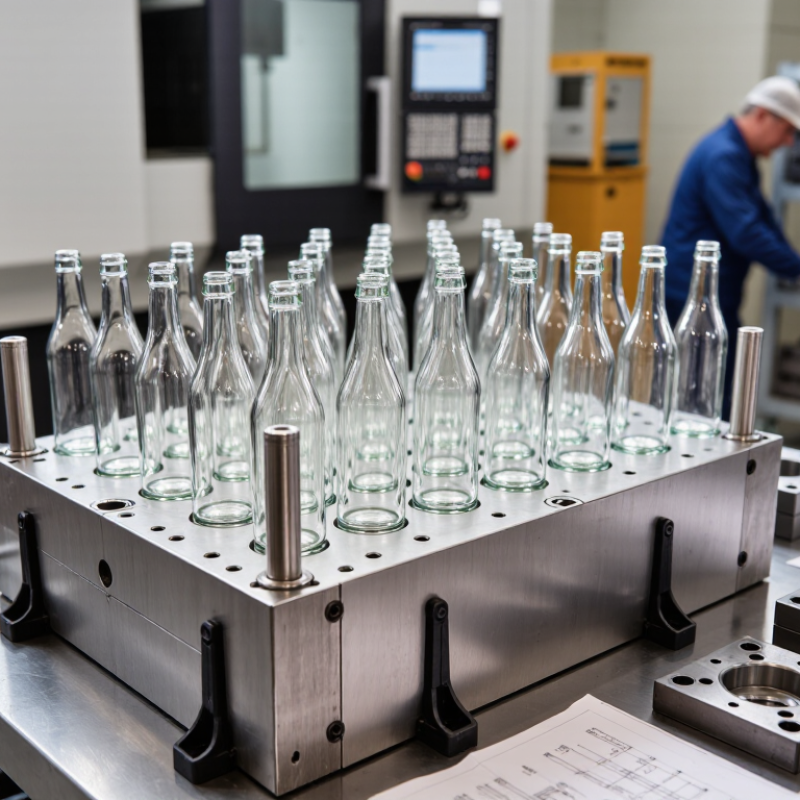
A glass bottle storage box mold is a precision tool used to form the box that holds and protects glass bottles. It does not usually shape the bottles themselves. Many storage boxes are made from molded plastic, although the material and production method can vary. The mold gives the box its outer shape, bottle pockets, handles, ribs, and stacking features. These details matter. A pocket that is too wide may let a bottle knock against its neighbor, while a tight fit can make loading awkward.
In production, molten material enters the mold cavity and cools into the intended shape. The design must account for wall thickness, cooling, and material shrinkage. Small changes can affect strength and fit. A practical review should check sample boxes with the actual bottles, not just a drawing. Look for wobbling, sharp edges, uneven walls, and handles that flex under load. The parting line may also leave a faint seam. That is normal, but it should not interfere with use. One detail is easy to underestimate: drainage and ventilation openings can help a box dry after cleaning, yet poorly placed openings may weaken its base. Testing often reveals something the first design missed.
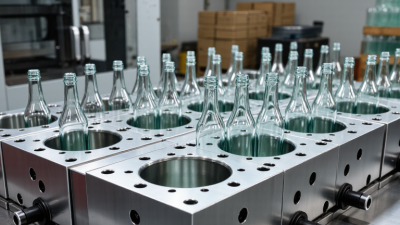
A glass bottle storage box mold begins with the bottle’s actual dimensions, not a catalog estimate. Neck height, shoulder width, and base diameter shape each cavity. Small gaps hurt. Too much clearance lets bottles knock together; too little makes loading slow and removal awkward. Rounded contact points and shallow ribs can steady bottles without pressing hard on fragile edges.
Partition walls should follow the intended packing layout, so each bottle has a defined place and cartons use space efficiently. Consistent wall thickness and balanced cooling help limit warping, which can shift dividers and spoil the fit. Draft angles also matter: they help the molded box release cleanly and reduce scuffing during production. Still, a very tight layout may look efficient on paper but prove frustrating on a busy packing line.
Prototype checks reveal details that drawings miss. Load bottles by hand, close the box, then gently tilt it and inspect contact marks. A divider that flexes or a bottle that rattles calls for adjustment. Results can vary with bottle shape and material, so testing one sample is rarely enough.
Sometimes the first design is simply wrong. Revising cavity spacing, wall thickness, or grip features can improve protection without slowing packing.
Glass bottle mold performance depends on heat flow, wear resistance, and dimensional stability. ASM Handbook, Volume 1, lists gray cast iron at roughly 40–55 W/(m·K); some copper alloys exceed 200 W/(m·K). Actual values vary by grade and temperature. Cast iron can suit the main mold body, while copper-alloy inserts may help cool hot spots. Faster cooling is not always better. Uneven temperatures can leave visible seams or distort a bottle’s base.
Machining matters just as much as alloy choice. CNC finishing controls the parting line, shoulder, and neck-ring fit. Careful vent placement helps trapped air escape instead of marking the glass surface. Stress relief and repeated thermal-cycle checks can reveal distortion before production. ISO 8062-3 provides casting tolerance guidance, but the final target should match the bottle drawing and process capability. A perfect drawing still cannot predict every hot spot.
Tips: Ask suppliers for alloy certificates, hardness results, and sample-cycle measurements. Check the mold after repeated heating, not only when it is new. Small details matter.
When evaluating a Chinese mold manufacturer, ask for evidence of experience with storage boxes designed to hold glass bottles. A box may look simple, but bottle diameter, divider spacing, and wall thickness affect fit and durability. Small details matter.
Request drawings, a mold-flow review, and a clear explanation of how the design handles uneven loading. A supplier should identify likely risks before cutting steel, not only promise a low price.
Check the proposed mold material, expected cycle life, cooling layout, and maintenance plan. Ask to see trial samples, then measure key dimensions with calipers and test bottles in every cavity. Listen for rattling, check divider edges, and inspect whether the lid closes without force.
The first sample is not always perfect; what matters is whether revisions are documented and completed. Request a written schedule covering design approval, machining, sampling, and corrections.
Clear answers are useful. Vague assurances are not.
I would not judge a factory by polished photos alone; a detailed inspection report can reveal more than a showroom visit. Ask who owns the drawings and what support is available if production changes.
For a custom glass bottle storage box mold, start with the actual bottle, not just its drawing. Measure the widest point, shoulder, and base, then specify clearance for easy loading and removal. Confirm cavity count, draft angles, parting lines, and replaceable inserts. A few millimeters matter. Request a design review and a first sample made with the intended production process.
Quality checks should go beyond a polished sample. Fortune Business Insights valued the global glass packaging market at USD 65.12 billion in 2023, reflecting the scale of production where repeatable fit matters. Ask for mold material certificates, hardness records, dimensional inspection results, and trial-run documentation. Test a loaded box for rubbing, wobble, and chipped edges. Run repeated cycles, too. One hand-picked sample proves little.
Delivery plans should show dated milestones for design approval, machining, trial, revisions, and shipment. Clarify freight responsibility and the response plan if the sample fails. Leave room for at least one revision; molds do not always behave exactly like CAD drawings. Ask who approves each milestone, and request progress photos tied to measurable checks, not vague status updates.