inquiry
Leave Your Message

7 Best Turnover Container Mould Manufacturers in 2026

Turnover Container Mould demand is shaped by a practical need: moving goods repeatedly without containers losing their fit, strength, or stackability. The mould behind each container affects wall thickness, corner strength, surface finish, and production consistency. Small details matter. A container that rocks on a pallet or catches during nesting can create costly interruptions.

The market context is significant, though broad. Grand View Research estimated the global plastic packaging market at USD 431.7 billion in 2023 and projected continued growth through 2030. That figure covers much more than reusable transport containers, so it should not be read as a direct measure of mould demand. Eurostat reported that the EU generated 186.5 kilograms of packaging waste per person in 2022. The statistic reinforces why durability and reuse are receiving attention. It does not, by itself, prove that every reusable option has a lower impact; actual results depend on use, cleaning, transport, and service life.

Choosing a manufacturer therefore takes more than comparing catalogue photos. Buyers should examine mould design experience, steel selection, cooling layout, trial samples, maintenance support, and the supplier’s ability to meet stated tolerances. Ask how defects are tracked. Request evidence, not promises. This 2026 guide compares seven manufacturers using those practical considerations alongside product range and service capability. Rankings can still be imperfect: regional support and project fit may matter more than a single overall score.
7 Best Turnover Container Mould Manufacturers in 2026

What Turnover Container Moulds Are and How They Work

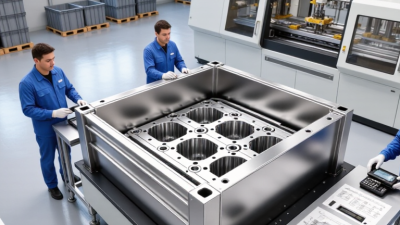
A turnover container mould is a precision tool that shapes reusable crates, usually through injection moulding. Plastic pellets are heated until molten, then pushed into a closed mould under pressure. The tool’s cavity forms the crate walls, while its core shapes the inside. Cooling channels help the plastic solidify; ejector pins release the finished part. Simple in principle. Demanding in practice.

Ribs add strength without making every wall thick, and carefully placed gates help material flow into corners and handle areas. The mould also determines whether containers stack securely or nest when empty. Small dimensional errors can cause wobbling, sticking, or uneven loads. These details matter over repeated trips. The OECD’s Global Plastics Outlook reports that global plastic production rose from 234 million tonnes in 2000 to 460 million tonnes in 2019; it also estimates 353 million tonnes of plastic waste in 2019. That context makes long service life worth designing for, though a durable crate is not automatically a sustainable one. Material choice, repairability, and actual reuse rates matter too. Mould trials should check cooling balance, warpage, wall thickness, and release under realistic production conditions. A drawing cannot reveal every problem. Some only appear on the factory floor.
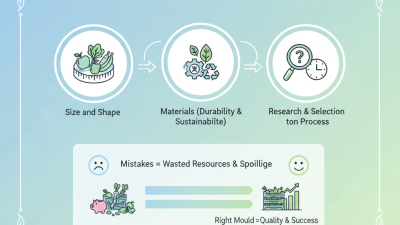

Key Criteria for Evaluating Manufacturers in 2026

A turnover container mould must produce clean edges, consistent wall thickness, and reliable stacking features across repeated cycles. In 2026, evaluate evidence, not polished presentations. Ask for recent sample parts, dimensional inspection records, and a clear explanation of how the mould handles corners, ribs, and cooling. Small details matter.

Material and process knowledge deserve close attention. PlasticsEurope’s Plastics—The Fast Facts 2024 reported 413.8 million tonnes of global plastics production in 2023. That scale makes stable processing important, but it does not prove a supplier can control your chosen resin or recycled-content blend. Request trial results using your specified material, plus cycle-time and reject-rate data. Ask for evidence. A neat sample alone can mislead.

Review design validation, steel traceability, machining capability, spare-part availability, and maintenance support. The International Federation of Robotics reported 4.28 million industrial robots operating worldwide in 2023, up 10% year over year, in World Robotics 2024. Automation can improve repeatability; it cannot replace sound mould design or skilled troubleshooting. Visit the workshop if possible, and watch a production run. One limitation: a short visit may show the best shift, not everyday performance. Compare written service commitments and acceptance criteria before placing an order.

Seven Leading Turnover Container Mould Manufacturers in 2026

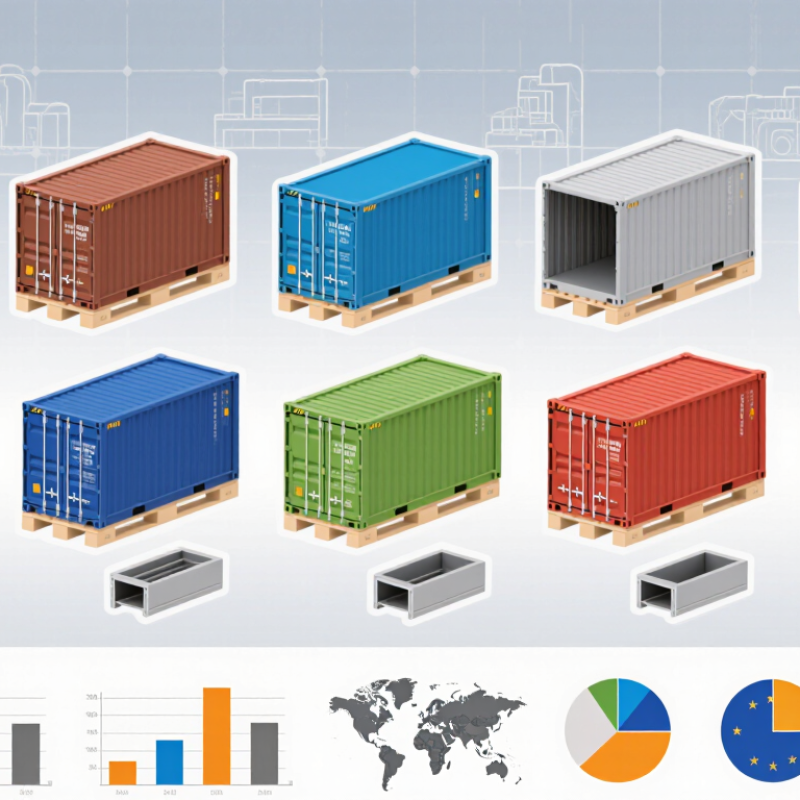
In 2026, a useful comparison of seven leading turnover container mould manufacturers starts with the work each can prove. One profile excels at high-volume production, with stable cycle times and repeatable dimensions. Another focuses on custom containers, where handle shape and wall thickness need careful adjustment. A third offers in-house mould design and simulation. That can reduce costly revisions, though software alone proves little. A fourth is known for durable tooling, using hardened steel and replaceable wear parts. Details matter.

The remaining profiles include manufacturers with strong injection-moulding trials, responsive after-sales support, and flexible production capacity. During a trial, inspect the moulded container’s corners, rim, and base for flash or uneven cooling. Ask for measured samples, maintenance guidance, and realistic lead times. Good answers should be specific. A supplier that explains venting or cooling-channel choices often inspires more confidence than one promising perfection.

These profiles are not a verified ranking; capabilities vary by project and factory. That distinction matters. A technically impressive mould may still be a poor fit if spare parts take months to arrive. Request comparable project evidence, confirm what is included in the quotation, and speak with the engineers who will handle changes. I would also leave room for doubt: polished samples do not guarantee consistent production. Judge the process, not just the display piece.

Comparing Manufacturing Capabilities and Customization Options

7 Best Turnover Container Mould Manufacturers in 2026

Comparing Manufacturing Capabilities and Customization Options

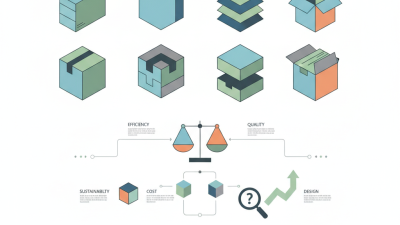
A useful 2026 shortlist should compare seven manufacturers on more than quoted price. Ask each supplier about mold steel, expected service life, machining tolerances, and in-house trial capacity. Request sample parts from a similar container design. Check wall thickness, corner definition, and whether the base sits flat. Small details matter. A clear answer about inspection methods is more useful than a broad quality promise.

Customization affects production speed and container performance. Compare options for handle geometry, stacking features, rib patterns, and resin-compatible gate placement. Ask whether cooling channels are designed for the container’s shape, not copied from a standard layout. Request cycle-time estimates and trial records, then check how those figures were measured. A polished CAD model helps, but it cannot prove a mold will run consistently. I would want to see trial results; paper specifications alone leave room for doubt.

Tips: Send every candidate the same drawing, resin type, target output, and acceptance criteria. Ask for a written change-control process. Keep one point open for discussion: a small design adjustment may improve demolding, but it should be tested before approval.

How to Choose a Manufacturer for Your Production Needs

How to Choose a Manufacturer for Your Production Needs

Choosing a turnover-container mould manufacturer starts with your part, not a catalogue. Share drawings, resin grade, annual volume, stack-load requirements, and machine dimensions. Ask for cavity count, cycle-time estimates, cooling design, steel specification, and maintenance plans in writing. A polished sample helps. A stable production trial tells you more.

The OECD’s 2022 Global Plastics Outlook estimates that 353 million tonnes of plastic waste were generated in 2019; just 9% was recycled. Treat material efficiency as a practical selection criterion. Ask how the manufacturer measures shot-weight variation and manages scrap. If recycled-content resin is planned, request a trial using your actual material. Results may differ from standard resin.

UNEP’s 2023 Turning off the Tap report finds that systemic changes could reduce plastic pollution by 80% by 2040. For reusable containers, that makes durable corners, cleanable surfaces, and replaceable wear parts worth discussing. Compare total tooling cost, sampling rounds, lead time, spare inserts, and response times. Request dimensional inspection records and clarify ownership of mould drawings. One caveat: the lowest quote may still suit a simple, low-volume part. Just verify its assumptions before committing.

Resin Density Benchmarks for Turnover Container Production

Typical density ranges for two common crate materials. Use these figures as a starting point when discussing part weight and material selection with a mould manufacturer; exact values vary by resin grade.

Density ranges are typical values for unfilled polypropylene and HDPE. Confirm the selected grade’s datasheet with your material supplier.