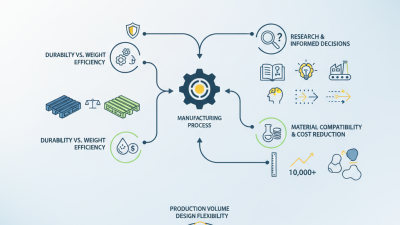
Best Cable Tie Mould for Your Manufacturing Needs?
In the competitive landscape of manufacturing, selecting the right Cable Tie Mould is critical. A 2022 industry report from Plastics News highlights that the global market for cable ties is expected to reach $4.2 billion by 2025. This growth directly correlates with advancements in mould technology. Engaging an expert like Dr. James Liu emphasizes the importance of precision: “The right mould can significantly enhance production efficiency and reduce waste.”
Investing in high-quality Cable Tie Mould not only improves product quality but also optimizes manufacturing processes. For instance, inadequate mould design can lead to higher defect rates and increased operational costs. It’s essential to choose moulds that cater specifically to the unique requirements of your production line. As the industry evolves, the demand for versatile and robust mould designs intensifies, reflecting a need for continuous innovation.
However, some manufacturers still rely on outdated mould technology. This poses a challenge, as staying relevant in a fast-paced market requires investment in state-of-the-art solutions. Seeking expert consultation can help streamline this process, ensuring that businesses meet both efficiency and quality standards. Adopting the right Cable Tie Mould could very well define success in the years to come.

Understanding Cable Tie Moulds: Types and Functions
Cable tie moulds are essential in manufacturing, enabling efficient production of both
standard and
custom cable ties. These moulds come in various forms, each designed for specific functions.
For instance, single-cavity moulds are ideal for producing singular designs, while
multi-cavity moulds can create numerous ties simultaneously.
According to a market research report by Grand View Research, the global plastic injection moulding market is projected to reach
USD 405.34 billion by 2027. This growth reflects the increasing demand for
efficient cable tie production.
The materials used in moulds also vary. Steel is commonly used due to its durability, but
aluminum is favored for its lighter weight and quicker production cycles.
However, the choice of material can impact longevity and cost-effectiveness. A report by Technavio highlights that the demand for
lightweight mould materials is growing, particularly in industries that prioritize efficiency.
When selecting a mould type, it's crucial to evaluate the desired output, production speed, and cost implications.
Despite technological advances, challenges remain. Moulds can wear out over time, leading to increased defects and manufacturing
downtime. Regular maintenance is necessary but often overlooked, which can hinder production efficiency.
Understanding these intricacies is vital for businesses aiming to enhance their manufacturing processes and maintain a competitive
edge in the market.
Key Factors Influencing Cable Tie Mould Selection
Choosing the right cable tie mould is essential for efficient manufacturing. Several key factors play a crucial role in this decision. First, consider the material requirements. Different projects may require specific plastics, which affects mould design. Understanding these requirements ensures that the mould can produce durable and reliable cable ties.
Another critical factor is the production volume. High-output projects demand moulds designed for quick cycles. Evaluate if the mould can withstand prolonged use without degrading. This aspect reflects in the overall cost-effectiveness of the production process.
Dimensional accuracy is also vital. Cable ties need to fit properly and perform well under various conditions. An imprecise mould can lead to serious production issues. It’s important to look for a mould with a proven track record of accuracy. All these factors influence not only the quality but also the long-term sustainability of your manufacturing needs. Reflect on these elements to make an informed choice.
Best Cable Tie Mould for Your Manufacturing Needs? - Key Factors Influencing Cable Tie Mould Selection
| Mould Type |
Material Used |
Production Capacity (pcs/hour) |
Mould Life Cycle (shots) |
Cost Estimation ($) |
| Standard Cable Tie Mould |
Aluminum |
1200 |
500,000 |
3,000 |
| Heavy-Duty Cable Tie Mould |
Steel |
800 |
300,000 |
5,000 |
| Mini Cable Tie Mould |
Aluminum |
1500 |
400,000 |
2,500 |
| Custom Shape Cable Tie Mould |
Bimetallic |
600 |
200,000 |
8,000 |
Material Considerations for Durable Cable Tie Production
When it comes to producing durable cable ties, material selection plays a key role.
Polyamide (nylon) is a commonly used material due to its strength and flexibility. It can withstand a range of temperatures, making it suitable for various applications. However, not all types of nylon are equal. Some variants may not hold up well under UV exposure, leading to rapid degradation. Manufacturers must carefully choose the right grade of nylon to avoid potential pitfalls.
Another popular option is polypropylene. This material offers excellent chemical resistance and is lightweight. It is ideal for applications in harsh environments, but its strength may not match that of nylon. Balancing cost and performance is often a challenge. Some manufacturers may lean towards cheaper materials to cut expenses. This decision can lead to compromised quality over time, affecting the overall reliability of the product.
In addition, consideration for certifications is essential. Certain industries require materials to meet specific compliance standards. Without these certifications, the product may face regulatory issues. Each material choice comes with its advantages and drawbacks. Understanding these factors can lead to better outcomes in cable tie production.
Cost Analysis: Investment in Quality Moulds vs. Budget Options
When investing in cable tie moulds, businesses face crucial decisions. The choice between high-quality moulds and budget options impacts long-term production success. Quality moulds often come with a higher initial price but can lead to significant savings over time. These moulds typically offer better durability, reducing the frequency of replacements and maintenance costs.
Conversely, budget options may seem appealing for their low cost. However, they can pose risks such as higher defect rates and inconsistent output. You may end up spending more on rework and wasted materials. Taking a closer look at production needs is vital. Assess your volume requirements and the expected lifespan of the moulds before deciding.
Tips: Focus on suppliers with a solid track record in mould design. Their expertise can reduce trial-and-error costs. Evaluate the total cost of ownership, including potential repairs, before finalizing your choice. An initial higher investment may translate to a lower cost per unit in the long run. Measure the risks and benefits to ensure your investment aligns with your manufacturing goals. Quality moulds are often central to achieving efficiency and reducing waste in production.