Choosing the right pallet can influence every stage of international transport. In busy warehouses, a Flat Pallet supports stable loading, easier wrapping, and more efficient container use. Its low-profile design can help reduce unused space beneath cartons or machinery. Space matters.
From practical shipping experience, pallet performance depends on more than its shape. Weight distribution, load height, fork access, and packaging strength all deserve careful review. A pallet that works well for boxed goods may perform poorly with drums or irregular equipment. Small differences become expensive during repeated handling. Mistakes happen.
Experienced logistics teams compare pallet dimensions with container layouts, warehouse equipment, and carrier requirements before dispatch. They also inspect deck boards, fasteners, and moisture exposure. These details can affect product safety during loading, port transfers, and final delivery. When timber is used, shippers should verify applicable treatment, marking, and documentation requirements for each destination. Requirements can change.
A Flat Pallet is not automatically the best choice for every shipment. It may offer practical advantages, yet it can provide less protection without suitable blocking, bracing, or edge protection. That limitation deserves attention. Reliable decisions come from testing the actual load, recording results, and reviewing damage patterns over time. This article examines why flat pallets remain valuable for global shipping, while recognizing their operational limits and the judgment required to use them responsibly.
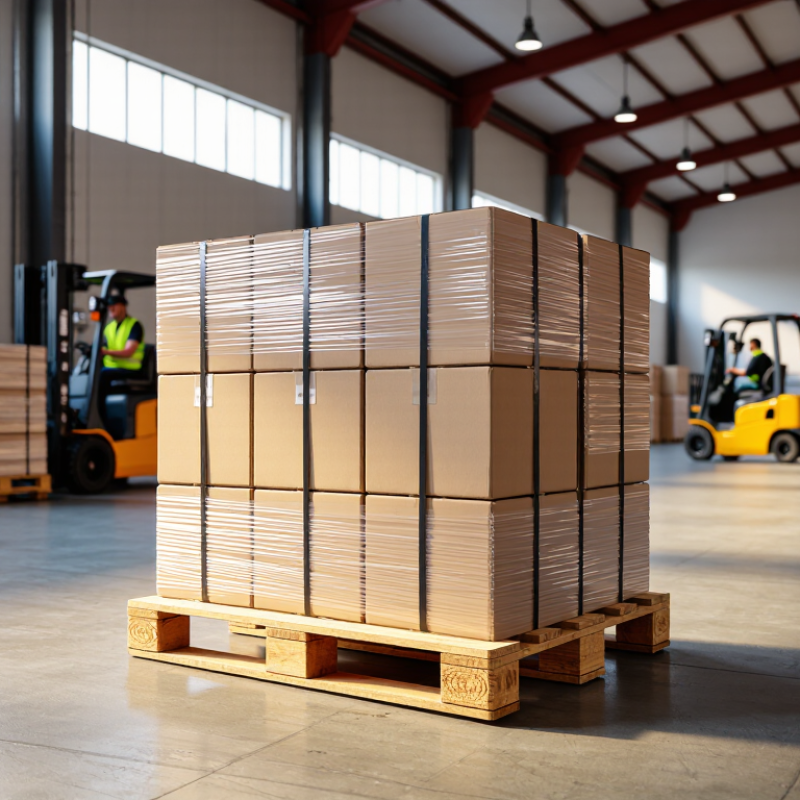
A flat pallet is a simple load platform without permanent walls or a fixed box structure. ISO 6780 identifies 1,200 × 800 mm and 1,200 × 1,000 mm as important pallet sizes for international logistics. These dimensions describe the footprint, not the pallet’s total height, load rating, or material. That distinction matters.
The 1,200 × 800 mm pallet suits many European warehouse layouts and supports efficient placement in standard transport spaces. The 1,200 × 1,000 mm format offers a wider base, which can improve stability for bulky cartons or heavier unit loads. In practice, warehouse teams measure aisle clearance, fork entry, and container plans before choosing. A neat fit saves handling time.
Small details decide performance.
Operators should check deck strength, board spacing, moisture exposure, and safe working load. A dimension alone cannot guarantee reliable shipping. We have seen cartons extend beyond the edges by only a few centimeters, yet that small overhang increased damage risk during handling. It seemed harmless. It was not always harmless.
Flat pallets also support straightforward inspection and easier loading access from several sides. However, their open design may need stretch wrapping, corner protection, or strapping for unstable goods. The best choice depends on the cargo shape, stacking pattern, handling equipment, and destination facilities. ISO dimensions provide a dependable common reference, but real shipping conditions still require measurement, testing, and occasional reconsideration.
A flat pallet offers a clean loading surface for cartons, drums, and mixed cargo. Its open deck can simplify stacking and reduce unstable contact points. However, deck design affects more than appearance. Board spacing, support placement, and material thickness influence bending and concentrated-load performance. ASTM D1185 provides a repeatable framework for evaluating pallets used in handling and shipping.
Testing can examine how a pallet responds under controlled loads, impacts, and support conditions. Results help compare solid, partially open, and widely spaced deck designs. A pallet that performs well under uniform weight may struggle beneath narrow feet or uneven cartons. That difference matters during forklift handling and long-distance transport. Laboratory results still need practical interpretation. Real shipments include moisture, vibration, shifting loads, and occasional misuse.
Tips: Test the exact deck configuration intended for production. Record load weight, support spacing, conditioning, and failure points. Use representative cartons, not only ideal test blocks. Small gaps can become serious weaknesses. Review damaged samples carefully. They often reveal problems that calculations miss. Retesting may be worthwhile when packaging, fasteners, or cargo patterns change.
A flat pallet can improve usable container space, but only when its footprint matches the box. ISO 668 defines standard container dimensions, while actual internal measurements vary by construction. A typical 20-foot container provides about 5.90 metres of internal length, 2.35 metres of width, and 2.39 metres of height. A 40-foot unit offers roughly 12.03 metres of length. High-cube versions usually add about 30 centimetres of height.
A low-profile pallet leaves more vertical clearance for cartons and reduces wasted air above the load. However, two 1,200-millimetre-wide pallets cannot sit side by side inside a 2,350-millimetre container. A 1,000-millimetre orientation may use the width more effectively, depending on the cargo pattern. Measure the pallet, packaging, and securing materials together. Small tolerances become expensive across thousands of shipments.
UNCTAD’s Review of Maritime Transport 2023 states that shipping carries over 80% of world merchandise trade by volume. Better loading decisions therefore affect more than one shipment. They influence handling time, fuel efficiency, and damage exposure. The World Bank’s Logistics Performance Index 2023 also links reliable logistics with stronger supply-chain performance. In practice, a flat pallet is not automatically the best choice. It can reduce cube efficiency if the load needs excessive bracing or leaves unusable gaps. Container drawings should be checked against real internal measurements before production. ISO dimensions are a planning baseline, not a promise of perfect fit.
A flat pallet gives cartons a stable, accessible base for global shipping. Its open design supports forklifts, pallet jacks, and simple visual inspections. However, wood packaging can carry insects, larvae, and fungal organisms across borders. That risk makes treatment evidence essential, not optional.
The International Plant Protection Convention’s ISPM 15 requires solid wood packaging to reach a 56°C core temperature for at least 30 minutes. The treatment must cover the wood itself, not only its surface. A certified mark should identify the country, producer, treatment method, and registration reference. Check it carefully. A stamp can be present, yet records may still be incomplete. The IPPC ISPM 15 standard remains the primary international reference for regulated wood packaging. National plant protection authorities may also request supporting documents during inspection.
Flat pallets are often handled repeatedly, so damaged boards deserve attention. Look for fresh exit holes, loose nails, dark staining, and untreated replacement blocks. Measure the pallet before loading. A small dimensional error can reduce container space or create unstable stacks. The World Bank’s Logistics Performance Index 2023 highlights customs efficiency and shipment reliability as major logistics factors. Pallet compliance supports both, but it does not solve every handling problem. In practice, treatment certificates should match the pallet mark and shipping paperwork. This simple cross-check is easy to overlook. That is where many avoidable delays begin.
| Data Dimension | Verified Requirement or Typical Specification | Why It Matters for Global Shipping |
|---|---|---|
| Core heat-treatment requirement | The wood core must reach at least 56°C continuously for a minimum of 30 minutes. | This is the key heat-treatment condition used to reduce the risk of transporting regulated wood pests. |
| Applicable packaging materials | Solid wood pallets, crates, boxes, dunnage, skids and similar wood packaging materials generally require treatment and marking when used in international trade. | A flat pallet made from solid wood should be treated as regulated wood packaging unless a specific exemption applies. |
| Wood-thickness exemption | Packaging made entirely from wood components no thicker than 6 mm is generally exempt from ISPM 15 treatment and marking requirements. | Standard structural pallet boards and blocks commonly exceed this threshold, so compliance should be verified before shipment. |
| Compliance mark | A valid mark normally includes the IPPC symbol, the two-letter country code, a unique registration or producer number, and the treatment code “HT” for heat treatment. | The mark provides visible evidence that the wood packaging was processed by an authorized treatment provider. |
| Mark readability | The mark should be permanent, legible, durable and easy to identify, rather than handwritten or placed only on a removable label. | Clear marking helps customs and inspection authorities verify the pallet without opening the shipment. |
| Debarking condition | Wood packaging must be made from debarked wood. Limited bark pieces may be tolerated only within the applicable ISPM 15 limits. | Removing bark lowers the likelihood that pests or pest habitats remain on the pallet. |
| Flat-pallet configuration | A flat pallet typically has a level deck, stringers or blocks, and no fixed upper frame; exact construction varies by load and handling needs. | The low-profile design supports stacking, wrapping, container loading and access by forklifts or pallet trucks. |
| Common footprint examples | Common international footprints include approximately 1,200 × 800 mm, 1,200 × 1,000 mm and 1,140 × 1,140 mm; the appropriate size depends on the destination and cargo. | Selecting a footprint compatible with the transport network can reduce unused space and improve load stability. |
| ISPM 15 dimensional coverage | ISPM 15 does not prescribe a universal pallet length, width, height or load capacity. | Pallet dimensions and strength must be specified separately according to cargo weight, stacking pattern and handling equipment. |
| Load-capacity verification | Working load depends on timber species, board thickness, block or stringer design, moisture condition, support spacing and load distribution. | A treatment mark confirms phytosanitary processing; it does not certify structural capacity or product quality. |
| Inspection documents | Keep the supplier’s treatment record, production or batch reference, and purchase documentation when available. | Supporting records can help resolve questions if the physical mark is damaged or inspected at the border. |
| Country-specific controls | Import authorities may apply additional requirements, inspections or restrictions beyond the general ISPM 15 framework. | Confirm the destination country’s current import rules before dispatch, especially for used or repaired pallets. |
| Practical pre-shipment checklist | Check the HT mark, verify that the mark is legible, inspect for excessive bark or live pests, confirm pallet dimensions, and confirm the expected load. | A short verification process reduces the risk of customs delays, re-export, treatment orders or cargo-handling problems. |
Why Choose a Flat Pallet for Global Shipping?
Select Materials by Weight, Reuse Cycles, and Global Handling Requirements
A flat pallet must match cargo weight, reuse cycles, and handling conditions. Weight alone is not enough. A light plastic pallet may reduce transport emissions, yet flex under uneven loads. A dense hardwood pallet may tolerate rough forklift handling, but it adds tare weight. That difference affects fuel use, container capacity, and manual movement. The World Bank’s 2023 Logistics Performance Index highlights persistent delays across borders and transfer points. Pallets should therefore survive repeated handling, not just the first shipment.
Reuse changes the calculation. Eurostat reported 186.5 kilograms of packaging waste per European resident in 2022. Durable pallets can reduce replacement demand, but only when return systems work. A pallet crossing oceans may not return economically. In that case, repairable wood can be more practical than a costly reusable design. The decision deserves a real cycle test. Load a pallet, stack it, expose it to moisture, and inspect damaged deck boards after unloading.
Global handling requirements also matter. ISO 6780 provides internationally recognized pallet dimensions, but warehouse equipment still varies by region. Check forklift entry, rack clearance, container width, and local repair skills. ISPM 15 requirements can affect untreated wood packaging in international trade. A perfect specification on paper may fail beside a narrow dock. That is the uncomfortable part. Material selection should remain flexible, documented, and open to revision.
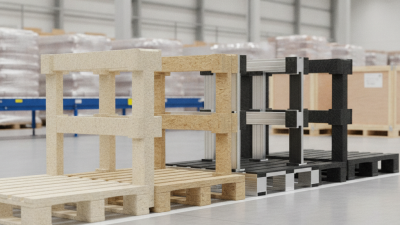
Flat pallets balance tare weight, durability, reuse potential, and international handling needs. Plastic pallets generally provide the highest reuse potential and consistent dimensions, while corrugated paper pallets minimize shipping weight. Wood and presswood pallets offer broad compatibility with forklifts and global logistics systems at moderate cost and weight. Values shown are representative industry ranges for common pallet formats; actual performance depends on design, load, moisture, and handling conditions.