Top 5 Vegetable Fruit Crate Moulds You Need to Know?
When exploring the world of agricultural logistics, understanding the importance of Vegetable Fruit Crate Mould is crucial. These moulds are the backbone of efficient fruit and vegetable packaging. They ensure that produce remains safe during transit and storage. A well-designed mould minimizes bruising, maximizing the quality of fresh goods.
In the market, many options are available, yet not all are equal. Certain moulds stand out for their durability and ease of use. Choosing the right Vegetable Fruit Crate Mould can enhance your operation. It can also reduce costs and waste in the long run. Moreover, the right choice contributes to sustainability efforts.
As we delve into this topic, we will discuss five must-know moulds. Each has unique features and benefits. There are some common pitfalls in selecting moulds that can lead to frustration. Thus, gaining insights from experts in the field is essential. Understanding these details can lead to better decisions and improved efficiency in your operations.
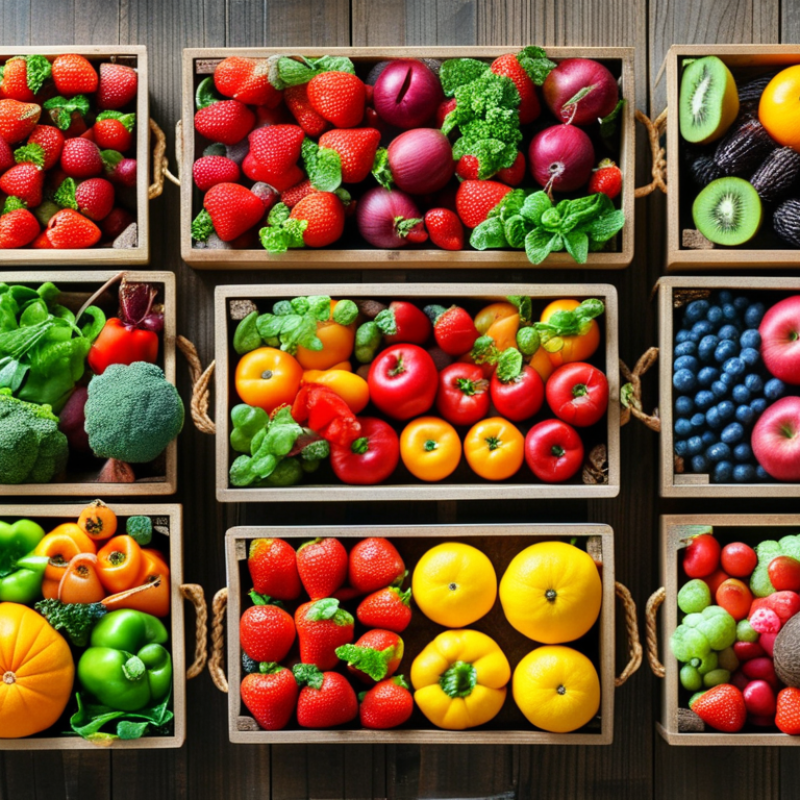
Top 5 Vegetable Fruit Crate Moulds: Overview of Design and Functionality
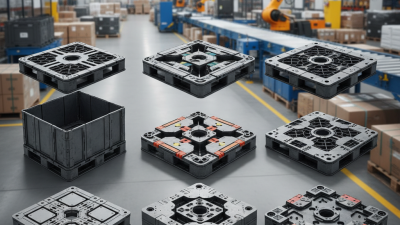
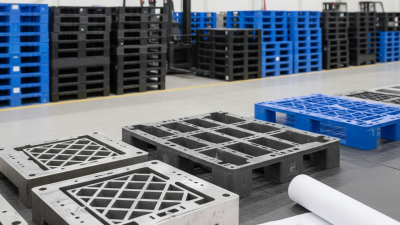
When it comes to vegetable and fruit crate moulds, design and functionality are key. These moulds are crafted to shape crates that ensure fruits and vegetables are stored efficiently. The right design minimizes damage during transportation. A well-structured mould can reduce waste and promote sustainability in packaging.
Modern crate moulds often feature innovative designs. They maximize air circulation, keeping produce fresh for longer. Ergonomic designs also enable easier stacking and handling. Functionality matters greatly; some moulds may allow for customization according to the size of the produce. However, it’s vital to consider the production process. Sometimes the materials used can affect durability.
Reflecting on the complexities in design is crucial. Each mould should support specific needs, but this isn't always achieved. A poorly designed mould can lead to more issues than it solves. Finding the balance between cost-efficiency and functionality can be challenging. The industry continues to evolve, allowing for improvements in how these moulds are created and utilized.
Key Materials Used in Vegetable Fruit Crate Mould Manufacturing
When it comes to vegetable and fruit crate mould manufacturing, the choice of materials is critical. Commonly used materials include high-density polyethylene (HDPE), polypropylene (PP), and polystyrene (PS). These materials offer different advantages, like durability and resistance to chemicals, essential for a food-grade environment. A recent market analysis noted that the global market for packaging materials is projected to reach $500 billion by 2025, highlighting the growing demand for efficient and safe storage solutions.
In the production process, maintaining consistent quality is vital. Manufacturers often consider the environmental impact of their material choices. For instance, biodegradable options are becoming increasingly popular. Studies show that 75% of consumers prefer packaging that supports sustainability. This trend prompts manufacturers to innovate and adapt. The challenge lies in balancing functionality with ecological concerns, as not all biodegradable materials match the durability of traditional plastics.
Quality control procedures are also crucial in mould manufacturing. These protocols ensure that materials maintain their structural integrity during production. Yet, manufacturers occasionally face difficulties in sourcing reliable high-quality inputs. Insufficient quality can lead to product failure in the supply chain. Addressing these challenges requires ongoing evaluations and adjustments to manufacturing processes for better reliability.
Industry Standards and Compliance for Crate Moulds in Agriculture
When it comes to agriculture, crate moulds are essential. These moulds shape the containers that hold fruits and vegetables during cultivation and transportation. Robust industry standards guide the production of these moulds, ensuring safety and performance.
Compliance with these standards is crucial for farmers and manufacturers. Each crate must withstand various conditions. For example, moisture exposure and temperature changes can impact durability. Compliance ensures these issues are addressed. Without strict adherence, produce can be damaged. This not only affects quality but also farmers' livelihoods.
Understanding the nuances of crate mould standards can be overwhelming. There are so many guidelines to consider. Choosing materials and designs that meet these specifications is challenging. Reflecting on this can lead to better practices. Involving experts in the design process might help improve compliance and efficiency.
Top 5 Vegetable Fruit Crate Moulds You Need to Know
| Mould Type |
Material |
Size (cm) |
Weight (kg) |
Compliance Standards |
| Vegetable Crate Mould |
Polypropylene |
60 x 40 |
1.5 |
ISO 22000 |
| Fruit Crate Mould |
HDPE |
50 x 30 |
1.2 |
FDA Approved |
| Stackable Crate Mould |
Recycled Plastic |
30 x 20 |
0.8 |
EN 13432 |
| Ventilated Crate Mould |
Polyethylene |
70 x 50 |
2.0 |
ASTM D6400 |
| Lightweight Crate Mould |
Expanded Polypropylene |
40 x 40 |
1.0 |
ISO 9001 |
Market Trends: Demand for Sustainable Vegetable Fruit Packaging Solutions
The demand for sustainable vegetable and fruit packaging solutions is rapidly rising. According to a report by Grand View Research, the global sustainable packaging market is projected to reach $475 billion by 2026. This shift is driven by both consumer preference and regulatory pressures.
Businesses are increasingly adopting eco-friendly materials. For example, biodegradable crates are gaining traction. These alternatives reduce plastic consumption and lower carbon footprints. Despite the initial investment challenges, companies see long-term benefits in sustainability. A significant 74% of consumers are willing to pay more for green packaging. This indicates a clear market trend.
However, transitioning to sustainable solutions is not without its hurdles. Many manufacturers struggle to find reliable suppliers who meet quality standards. The availability of raw materials can affect production timelines. Additionally, achieving the required durability in packaging can be complex. Continuous innovation is necessary to address these challenges while meeting consumer expectations.
Comparative Analysis: Cost-Effectiveness of Different Crate Mould Designs
When evaluating crate mould designs for vegetable fruits, cost-effectiveness is crucial. Various materials offer different benefits. For instance, plastic moulds tend to be lightweight and durable. They resist moisture and are easy to clean. However, initial costs can be higher compared to wood.
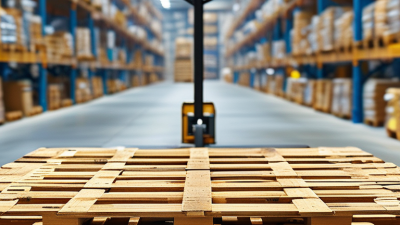
Wooden crates are often less expensive upfront. They provide a classic look but may require more maintenance. Damage from water or pests can lead to unexpected costs. This trade-off between initial price and long-term reliability is worth considering.
Innovative designs now incorporate hybrid materials. These can balance durability and cost, but research is needed to determine their effectiveness. Each design has its strengths but also potential flaws. Reflecting on these aspects will help in choosing the right mould for your needs.