Top 10 Plastic Trash Can Mold Options for Global Buyers?
The global demand for efficient waste management solutions is on the rise. According to a report by Fortune Business Insights, the plastic trash can market is projected to reach over $5 billion by 2026. This increasing demand emphasizes the importance of reliable molds in producing plastic trash cans.
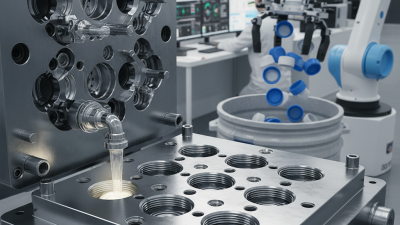
Plastic trash can molds are vital for manufacturers aiming to create durable and cost-effective waste disposal solutions. These molds influence the quality and lifespan of the finished products. Innovative designs can enhance functionality, but selecting the right mold requires expertise. Understanding trends in materials and customer preferences is essential.
Despite advancements, challenges remain. Some manufacturers struggle with mold maintenance and production efficiency. Additionally, global supply chain disruptions have impacted mold availability, forcing companies to rethink their sourcing strategies. As the landscape evolves, identifying top plastic trash can mold options becomes paramount for global buyers seeking to stay competitive.
Overview of Plastic Trash Can Mold Types and Their Uses
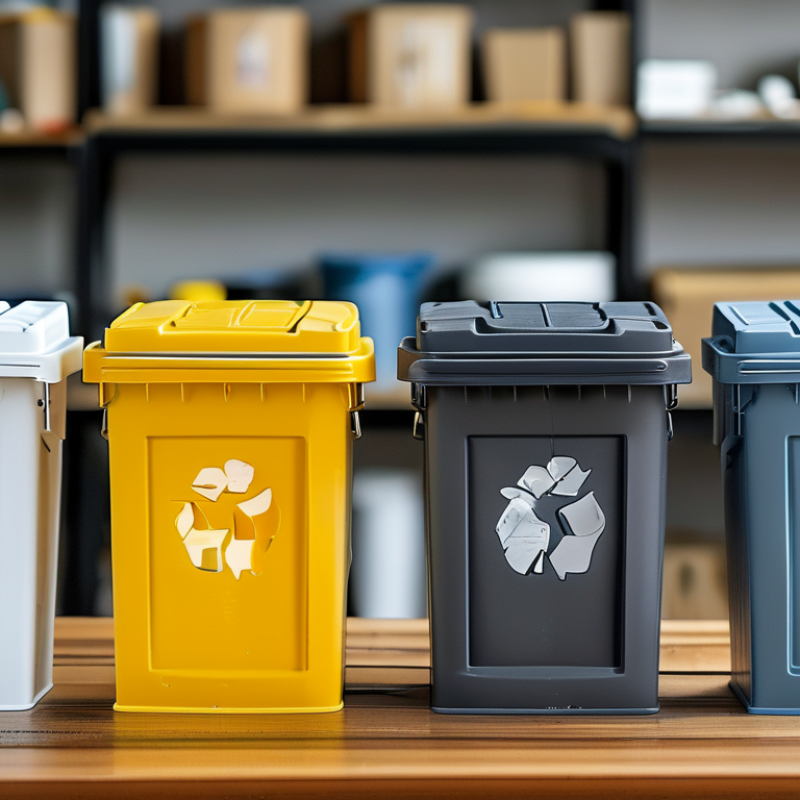
Plastic trash can molds vary widely in design and functionality. Different types cater to various needs, from household use to industrial applications. Injection molding is a common method, creating strong, durable products. According to industry reports, the global plastic mold market is projected to surpass $40 billion by 2026, indicating a growing demand for innovative designs and materials.
Rotational molding is another noteworthy technique used for larger trash cans. This method ensures uniform thickness and strength. It is ideal for outdoor trash can products. A study highlights that rotationally molded products have greater resilience in extreme weather conditions, making them preferable for municipal applications. However, the cost and longer production time can be drawbacks for manufacturers.
Blow molding is less common for trash cans but is suitable for lightweight options. It usually results in more affordable products. Yet, these lightweight cans may lack the durability needed for heavy-duty use. Buyers should weigh these factors carefully. The right choice of mold depends on specific requirements, including material costs and end-user expectations. Understanding the differences in mold types aids in making informed decisions.
Top 10 Plastic Trash Can Mold Options
Key Features to Consider When Choosing Plastic Trash Can Molds
When selecting plastic trash can molds, it's crucial to focus on several key features to ensure your investment is worthwhile. The first aspect to consider is the mold's material. High-quality steel provides durability and longevity. Conversely, aluminum molds might be lighter but could wear out faster. The choice of material can significantly affect the overall cost and performance of the mold.
Another important consideration is the design flexibility offered by the mold. Look for options that allow customization for shape and size. This capability is essential for meeting various consumer needs. Additionally, pay attention to the ease of mold release. Molds with smooth surfaces and designed for easy demolding can save time and reduce production costs.
It's also advisable to review the mold's cooling efficiency. Effective cooling minimizes cycle times, boosting production speed. However, more advanced cooling systems can be expensive upfront. There is often a trade-off between cost and engineering complexity. Analyzing these factors thoroughly can lead to better decision-making. Finally, understanding the mold's warranty and after-sales support can provide peace of mind in your purchasing choice. Always seek experienced suppliers who can guide you in this process.
Top Manufacturers of Plastic Trash Can Molds for Global Buyers
When diving into the realm of plastic trash can molds, the focus on leading manufacturers is essential. Numerous companies specialize in the production of high-quality molds, catering to global needs. These manufacturers utilize advanced technologies and materials to ensure durability and efficiency. Their expertise is evident in the design processes, as they adapt to various market demands.
Key features include customizable sizes and shapes, which are critical for different applications. Many manufacturers offer prototype services to fine-tune the mold design before full production. This iteration process often highlights areas needing improvement, ensuring the final product meets user expectations. Moreover, ongoing dialogues with clients enhance the collaboration, leading to refined solutions.
While manufacturers strive for perfection, challenges remain. Some may struggle with maintaining consistent quality across different runs. Others are adapting to shifts in environmental regulations. This dynamic landscape necessitates flexibility and innovation. A commitment to continuous improvement is crucial for staying competitive. The journey to find the right mold is one of persistence and learning.
Best Practices for Maintaining Plastic Trash Can Molds
Maintaining plastic trash can molds is crucial for efficient production. Regular cleaning and inspection are essential steps. Mold build-up can affect the quality of final products. A report by the Plastics Industry Association indicates that improper maintenance can decrease mold lifespan by up to 30%.
Proper storage of molds can also prevent damage. Avoiding direct sunlight and humidity is key. Storing molds in a controlled environment can extend their usability. Additionally, using non-corrosive lubricants can reduce wear and tear. Many manufacturers overlook the importance of this detail, leading to increased costs over time.
Regular training for staff on mold maintenance is often neglected. Understanding proper procedures can greatly improve mold performance. Investing in this knowledge pays off. Research shows that companies with trained staff can reduce production errors by 25%. Staying updated with industry best practices is paramount.
Cost Analysis: Investing in Plastic Trash Can Molds Worldwide
Investing in plastic trash can molds requires careful consideration. The cost varies widely across different regions. For buyers, understanding the market is crucial. Molds can range from basic models to complex designs, influencing pricing. Typically, basic molds cost less, while intricate designs demand more investment. Craftsmanship affects durability and functionality, leading to long-term savings.
Researching suppliers is vital. Not all manufacturers maintain high-quality standards. A low-cost mold might save money upfront but can lead to higher production losses. Companies that prioritize quality typically offer better warranties. The molds should withstand repeated use, reducing the need for replacements. Consider the materials used; better materials enhance longevity.
While cheaper options are tempting, they may not be reliable. This can lead to unexpected financial burdens. Understanding the total cost of ownership is essential. Some buyers might overlook this detail, focusing only on initial expenses. Smart investment includes evaluating all factors, including maintenance and potential upgrades. This approach ensures a worthwhile return on investment.