Choosing a reliable Cable Tie Mould manufacturer requires more than comparing prices or browsing polished factory websites. Global buyers must examine engineering depth, production consistency, communication, and after-sales support. A mould may look excellent in photographs, yet fail after repeated cycles.
As injection-molding consultant John Bozzelli puts it, “If you can’t measure it, you can’t control it.” This principle matters when evaluating mould steel, cavity balance, cooling channels, gate design, and dimensional stability. For cable tie production, small defects can create large losses. Flash may affect locking performance. Uneven cooling may distort the tie body. Poor venting can leave burn marks near thin sections.
This guide reviews seven Cable Tie Mould manufacturers serving international buyers. The selection considers practical evidence, including mould-making equipment, toolroom experience, inspection methods, export capability, and technical support. It also considers whether manufacturers can handle common materials such as nylon, polypropylene, and recycled compounds.
No ranking is perfectly universal. That limitation matters.
A supplier with strong automotive experience may not understand every cable tie application. Another manufacturer may offer excellent tooling but weak documentation or slow spare-parts support. Buyers should therefore compare sample quality, trial reports, cycle-time data, maintenance guidance, and replacement-part availability.
The strongest manufacturers usually discuss details before quoting. They ask about tie dimensions, annual volume, machine specifications, resin grade, and expected service life. That conversation reveals expertise. It also exposes weak assumptions. This comparison aims to help purchasing teams make a more informed decision, while leaving room for verification through factory audits, mould trials, and independent quality checks.
What Cable Tie Mould Manufacturers Do and Why They Matter
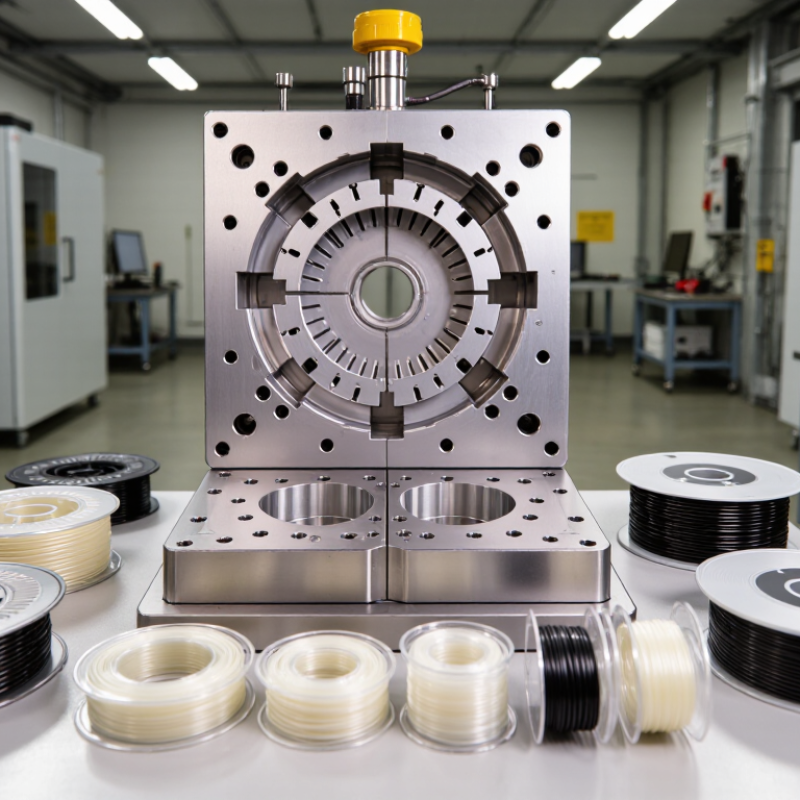
Cable tie mould manufacturers design and build the tooling that forms nylon ties under heat and pressure. Their work starts with part drawings, resin data, and production targets. Engineers then select cavity layouts, gate positions, cooling channels, and suitable mould steel. Small choices matter. Poor cooling can create uneven shrinkage, visible flash, or longer cycle times.
Reliable manufacturers use CNC machining, EDM, precision grinding, and controlled assembly. They also test trial samples instead of trusting drawings alone. During testing, specialists check tie thickness, locking strength, surface finish, and ejection marks. A practical factory records these results and adjusts the mould before shipment. That evidence helps global buyers compare suppliers with greater confidence.
The best cable tie mould manufacturers also understand production realities. They discuss machine compatibility, expected output, spare components, maintenance access, and packaging for international transport. Clear inspection reports and dimensional records reduce disputes across different time zones. However, no mould is maintenance-free. Even a well-built tool can suffer from wear, blocked cooling channels, or careless setup. Buyers should ask about service life, replacement inserts, repair response, and actual trial conditions. A low quotation may look attractive, but hidden maintenance costs can change the calculation. Some early designs are simply too optimistic. Careful review remains necessary.

What Cable Tie Mould Manufacturers Do and Why They Matter
Cable tie mould manufacturers design and produce precision tooling for injection-moulded nylon cable ties. Cavity count directly affects the number of parts made in each moulding cycle. The chart shows calculated hourly output at a reference cycle time of 15 seconds, using the formula: cavities × 3,600 ÷ 15. Actual production results vary with polymer grade, tie size, cooling efficiency, machine settings, and mould design.
Higher-cavity moulds can improve unit productivity, while lower-cavity moulds may offer easier maintenance, simpler start-up, and greater flexibility for specialized cable tie designs.
Global buyers should evaluate cable tie mould manufacturers through evidence, not attractive websites. Ask for mould samples, cavity layouts, steel certificates, and dimensional inspection records. A polished website proves little. Request references from comparable projects and verify delivery performance independently. Experienced manufacturers explain shrinkage, cooling balance, gate design, and expected cycle times clearly. Their engineers should discuss resin behavior, parting lines, and maintenance before quoting a price.
Manufacturing capability also matters. Review machining equipment, electrode control, polishing standards, and trial procedures. Ask whether the quoted mould includes spare inserts, wear components, and documented repair guidance. Reliable suppliers provide a realistic schedule, inspection checkpoints, and clear ownership of design changes. I once focused too heavily on unit price; later, maintenance delays cost more than the original saving. That mistake still matters. A lower quotation can hide weaker steel, limited testing, or poor technical support.
Tips: Compare at least three detailed quotations. Use the same drawing and material specification. Request a video of mould trials when travel is impractical. Check sample consistency across multiple shots, not one successful piece. Keep communication records. Small misunderstandings about tolerances can become expensive corrections. Also, ask difficult questions early. The best manufacturer may not promise perfection, but will explain risks, limits, and corrective actions honestly.
Seven leading cable tie mould manufacturers serve different purchasing priorities. Manufacturer One focuses on hardened steel inserts and long production life. Manufacturer Two specializes in multi-cavity moulds, helping reduce cycle costs for high-volume orders. Manufacturer Three offers rapid prototyping and short tooling revisions. That matters during design changes.
Manufacturer Four is known for balanced cooling channels and stable cavity filling. Manufacturer Five develops moulds for nylon grades, including reinforced materials used in demanding electrical applications. Manufacturer Six emphasizes automated unscrewing, ejection, and in-mould monitoring. Manufacturer Seven provides export-ready documentation, spare inserts, and technical support after delivery. These strengths should be verified through trial samples, dimensional reports, and maintenance records, not sales claims alone.
Grand View Research valued the global plastic injection moulding market at about USD 181.9 billion in 2023. It also projects continued growth through 2030, increasing pressure on tooling efficiency. A cable tie mould buyer should therefore compare cavity balance, cooling time, steel hardness, and expected shot life. Industry experience shows that a cheaper mould can become expensive after repeated flash removal or uneven tie locking. I would also inspect sample consistency across cavities. Perfect consistency is not always realistic. That is where my judgment can be wrong. Supplier audits, material certificates, and documented acceptance tests remain essential for reliable global purchasing.
Global buyers comparing cable tie mould manufacturers should examine more than the quoted tool price. Grand View Research estimated the global cable ties market at approximately USD 1.7 billion in 2023, with steady growth expected through 2030. That pressure rewards stable, high-volume mould production. Buyers should request cavity-balance records, steel certificates, dimensional reports, and sample parts. A well-made mould should produce consistent locking teeth, smooth edges, and reliable strip thickness across every cavity.
Technology changes the comparison. Flow simulation can identify weld lines before steel cutting, while automatic unscrewing or optimized ejection reduces cycle interruptions. EUROMAP industry data shows that injection moulding efficiency increasingly depends on digital monitoring and energy control. Yet technology alone is not proof of quality. I have seen impressive simulation files paired with weak mould maintenance plans. That gap matters.
Customization also affects pricing. A four-cavity mould may suit a regional buyer, while a thirty-two-cavity tool can lower unit costs for large orders. However, higher cavity counts demand tighter cooling control and better alignment. Reports from PlasticsEurope indicate that energy and material efficiency remain major concerns across plastics manufacturing. Buyers should compare total ownership cost, including spare inserts, preventive maintenance, cycle time, and rejected parts. The cheapest quotation may be reasonable for a simple design, but risky for flame-retardant nylon or reinforced materials. Pricing should be judged against measurable output, not polished promises.
Selecting the right cable tie mould supplier requires more than comparing prices. Global buyers should examine mould steel, cavity design, cooling channels, and expected production cycles. A reliable supplier can explain why each choice fits the cable tie material and machine type.
Ask for recent project samples, dimensional inspection records, and a clear trial process. During testing, check tie length, locking strength, flash, and release from the cavity. Small defects matter. A rough edge can damage operators’ hands or create costly sorting work. Suppliers should also provide maintenance instructions, spare-part options, and realistic delivery schedules.
Communication reveals practical experience. Can the engineering team read your drawings, confirm tolerances, and suggest improvements without overpromising? Ask how they handle design changes after the first trial. A supplier with documented quality checks is usually easier to trust than one offering only attractive photographs. References from buyers using similar materials and machines can add useful evidence.
Do not judge by price alone. I have seen inexpensive moulds require frequent polishing and unexpected downtime. That lesson is easy to overlook when purchasing teams focus on the initial quotation. Still, expensive tooling is not automatically better. Compare total service life, cycle consistency, repair response, and technical support. A short video call with the production engineer may reveal more than a polished sales presentation.
| Rank | Anonymous Manufacturer Profile | Main Mould Capability | Typical Cavity Range | Compatible Materials | Typical Dimensional Tolerance | Indicative Tooling Lead Time | Recommended Buyer Type | Key Selection Advantage |
|---|---|---|---|---|---|---|---|---|
| 1 | High-Volume Precision Supplier | Multi-cavity moulds for standard and heavy-duty nylon cable ties | 16–64 cavities | PA66, heat-stabilized PA66, UV-stabilized PA66 | Approximately ±0.02–0.05 mm on critical dimensions | 35–60 days after design approval | Large-volume importers and injection moulders | High output potential and consistent cavity balancing |
| 2 | Custom Engineering Specialist | Custom locking heads, mounting bases, releasable ties and special geometries | 4–32 cavities | PA66, PA6, POM and selected engineering plastics | Approximately ±0.03–0.08 mm, depending on geometry | 40–75 days after final drawings | Buyers requiring private-label or application-specific designs | Strong design-for-manufacturing support and product customization |
| 3 | Fast-Delivery Tooling Supplier | Standard cable-tie moulds with optimized cooling and hot-runner options | 8–32 cavities | PA66 and flame-retardant PA66 | Approximately ±0.04–0.08 mm | 25–45 days for standard configurations | Distributors working with short product-launch schedules | Shorter project cycles and practical standardization |
| 4 | High-Durability Mould Builder | Hardened-steel moulds for long production runs and abrasive compounds | 8–48 cavities | Glass-fiber-reinforced PA66 and standard PA66 | Approximately ±0.03–0.06 mm on controlled features | 45–80 days, including steel treatment | Automotive, electrical and industrial-component suppliers | Improved wear resistance and longer maintenance intervals |
| 5 | Cost-Controlled Production Supplier | Standard and semi-custom moulds for general-purpose cable ties | 4–24 cavities | PA66 and recycled-content nylon where specified | Approximately ±0.05–0.10 mm | 30–55 days after design confirmation | Small and medium-sized importers with price-sensitive projects | Lower initial tooling investment for established designs |
| 6 | Export Documentation Specialist | Cable-tie moulds with structured inspection and export documentation packages | 8–32 cavities | PA66, UV-resistant PA66 and low-temperature grades | Approximately ±0.04–0.08 mm | 35–65 days, subject to approval speed | Overseas buyers needing traceability and repeat-order control | Clear inspection records, spare-part lists and maintenance guidance |
| 7 | Low-Volume Prototype Supplier | Prototype, pilot-run and low-cavity moulds for design validation | 1–8 cavities | PA66, PA6 and selected biodegradable or recycled compounds | Approximately ±0.06–0.12 mm | 15–35 days for prototype tooling | Start-ups, product developers and buyers testing new designs | Lower development risk before committing to mass-production tooling |
Note: The figures shown are practical industry screening ranges for cable-tie mould projects. Buyers should confirm steel grade, cavity layout, tolerance requirements, cycle-time targets, testing records, maintenance terms and final delivery dates with each shortlisted supplier before placing an order.