China Top 10 Turnover Container Mould Designs for Efficient Production?
In today's competitive manufacturing landscape, the efficiency of production is paramount. The design of the Turnover Container Mould plays a crucial role in this efficiency. High-quality moulds can streamline processes and reduce waste. However, not all designs achieve the same success levels. Some ideas seem innovative but fail in real-world applications.
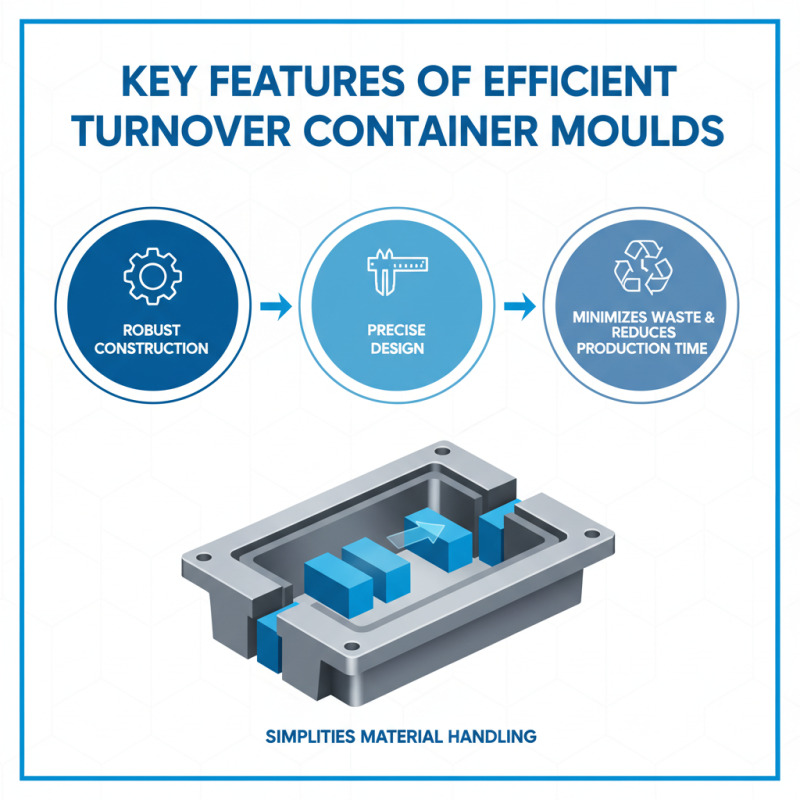
The top ten turnover container mould designs from China have gained attention for their effectiveness. Each mould has unique features aimed at improving functionality. These designs not only enhance production speed but also focus on durability. Yet, it is essential to recognize that not all choices are straightforward. This industry sometimes overlooks critical aspects like material selection or cost-efficiency.
Innovation must be paired with strategy. Understanding the potential pitfalls in mould design is vital. As companies rethink their production processes, they must learn from past mistakes. Embracing advanced designs is just one piece of the puzzle. The journey toward efficient production with turnover container moulds requires ongoing reflection and adaptation.

Overview of Container Mould Designs in China
Container mould designs in China are at the forefront of efficient production techniques. Many manufacturers have adopted innovative designs to streamline operations. These moulds enhance productivity and reduce waste significantly. For instance, some designs feature modular components, allowing quick adjustments during production. This flexibility is crucial for meeting diverse customer needs.
However, not all designs are perfect. Some moulds may experience wear faster than expected. This can lead to increased maintenance costs and downtime. Additionally, a few designs may not deliver optimal cooling, affecting cycle time. It's essential for manufacturers to continually assess these issues. Regular improvements can help address shortcomings and increase overall efficiency.
There’s also a trend toward sustainability in mould design. Many companies are exploring eco-friendly materials. Biodegradable options show promise but require more testing. While these innovations can be beneficial, challenges remain. Balancing cost and quality is a delicate task. The journey towards achieving the ideal mould design is ongoing.
China Top 10 Turnover Container Mould Designs for Efficient Production
| Design Name |
Material |
Production Time (Days) |
Weight (kg) |
Applications |
| Container Type A |
Aluminum Alloy |
30 |
150 |
Food Packaging |
| Container Type B |
Stainless Steel |
25 |
200 |
Chemical Storage |
| Container Type C |
Polypropylene |
20 |
100 |
Pharmaceuticals |
| Container Type D |
HDPE |
15 |
250 |
Waste Management |
| Container Type E |
Carbon Steel |
40 |
300 |
Automotive Parts |
| Container Type F |
Copper |
35 |
220 |
Electronics |
| Container Type G |
Fiberglass |
50 |
180 |
Marine Equipment |
| Container Type H |
PVC |
18 |
130 |
Agricultural Products |
| Container Type I |
PET |
22 |
110 |
Beverages |
| Container Type J |
Glass |
55 |
320 |
Luxury Goods |
Comparison of Top 10 Container Mould Designs in China
Container mould design plays a crucial role in the efficiency of production processes in China. According to a recent industry report, nearly 30% of manufacturing costs are influenced by mould design quality. This highlights the significance of selecting the right design for optimal performance. The top ten container mould designs stand out for their innovative approaches, reducing material waste and production time.
Mould designs that feature advanced cooling systems tend to enhance productivity. These designs can lead to up to a 25% reduction in cycle time. Additionally, lightweight materials are becoming increasingly popular. They not only lower production costs but also improve handling efficiency. Many manufacturers are adopting ergonomic designs, which reduce worker fatigue and minimize errors during operation.
Tip: Always consider the specific needs of your production line when selecting a mould design. It’s essential to balance cost efficiency with the quality of output. Reflect on past experiences and analyze which designs contributed to waste or delays. Continuous improvement in mould design processes can lead to substantial gains.
Comparison of Top 10 Container Mould Designs in China
This chart provides a comparison of various container mould designs based on their production efficiency. The data highlights the average production output (in units per day) for each mould design.
Innovative Materials Used in Container Mould Production
Container mould production has seen significant advancements, primarily through the use of innovative materials. The demand for lightweight and durable moulds is rising, and materials like polycarbonate and engineered composites are leading the way. These materials not only reduce production costs but also enhance the lifespan of the moulds. Recent reports indicate that using advanced plastics can increase production efficiency by up to 30%.
Moreover, incorporating thermoplastics in mould design allows for quicker turnaround times. The moulds made from these materials exhibit excellent thermal stability and resistance to chemical erosion. That said, the process of choosing the right material can be daunting. Some manufacturers still rely on traditional methods, which often result in inefficiencies and longer production times.
Tips: Evaluate the specific requirements of your container products. Understand how material properties affect the final output. Regularly revisit your material choices and consider emerging alternatives. Embracing new technologies is crucial; however, it’s also important to reflect on what parts of the process may need improvement. Relying solely on established practices could lead to stagnation in production efficiency.
Impact of Container Mould Design on Manufacturing Efficiency
In the realm of manufacturing, the design of container moulds plays a pivotal role in operational efficiency. A study reveals that well-designed moulds can improve production speed by up to 30%. This increase can significantly reduce costs and meet market demands quickly. Inefficient designs can lead to longer production cycles and increased material waste.
Mould design directly influences the quality of containers. Poorly designed moulds may produce defects, leading to higher rejection rates. Studies indicate that even a 1% increase in quality can save manufacturers thousands. Regular audits of mould efficiency can reveal areas needing improvement. Innovating container shapes or materials may enhance production, revealing hidden potentials.
**Tip:** Utilize software simulations to analyze mould designs before production. This can help identify inefficiencies early.
Moreover, the choice of materials for moulds can affect lifespan and maintenance costs. Some manufacturers overlook the impact of material quality. This oversight can lead to frequent repairs and downtime, reducing overall output. Exploring new materials could prove beneficial in the long run.
**Tip:** Regularly evaluate the latest material technologies. This can keep your production ahead of the competition.