Essential Tips for Choosing Rack Tray Molds for Your Business?
In the competitive world of manufacturing, selecting the right Rack Tray Molds can define your business’s success. Expert mold designer, John Anderson, emphasizes, "The right molds not only improve efficiency but also ensure quality." His insights highlight the crucial role mold selection plays in production processes.
Choosing Rack Tray Molds involves various factors that require careful consideration. Material type, mold design, and manufacturing methods all influence the final product. Molds must be durable yet adaptable. Your investment in quality molds can lead to significant long-term benefits. However, not all molds will suit your specific needs.
Many businesses face challenges in this area. Poor decisions can lead to wasted resources and unsatisfactory products. It’s essential to reflect on past mold selections. Understanding what worked and what didn’t is invaluable. This reflection can guide your future choices in Rack Tray Molds, ensuring your production meets industry standards and customer expectations.
Understanding the Importance of Rack Tray Molds in Industry
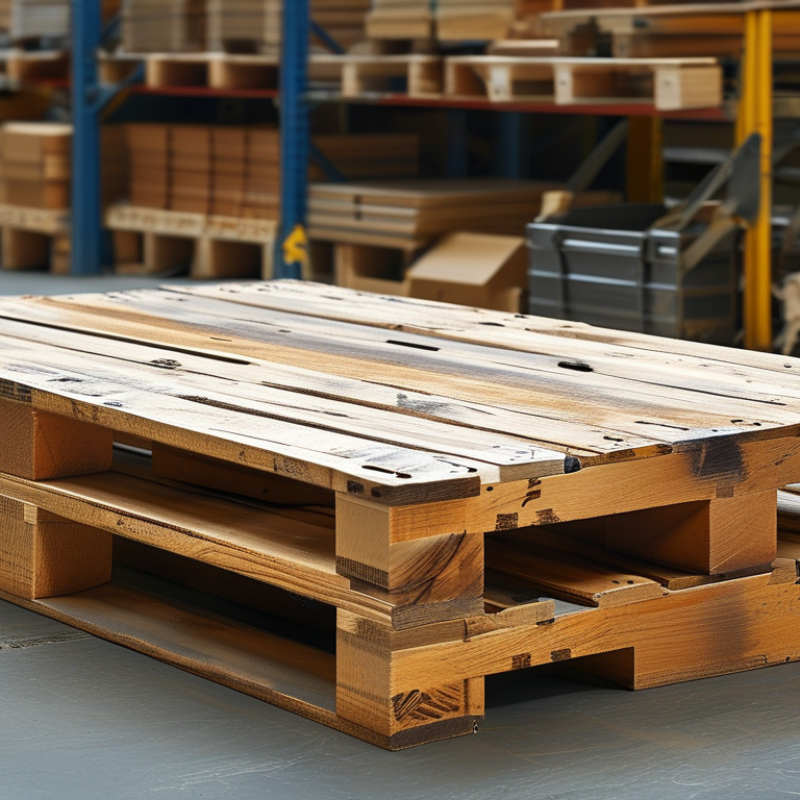
Rack tray molds play a critical role in various industries, particularly in manufacturing and logistics. They ensure that products are organized and easily accessible. Properly designed molds help in minimizing waste and improving efficiency on production lines. A well-crafted mold facilitates easier stacking and transportation of trays, which can lead to significant cost savings.
Understanding the specific needs of your business is essential when selecting rack tray molds. Consider the materials you handle, the dimensions required, and the weight capacity. Each industry may have unique requirements, so there is no one-size-fits-all solution. It's important to engage with industry experts to navigate the complexities of mold selection. Their insights can provide valuable guidance on material suitability and durability.
While it’s easy to get caught up in the latest trends, grounding your choice in functional design is crucial. Some molds may look appealing but fall short in real-world applications. Evaluate past projects, and reflect on past mistakes in mold selection. This self-assessment can help improve future decisions, ensuring that your racks stand up to daily demands while enhancing operational reliability.
Key Factors to Consider When Selecting Rack Tray Molds
When selecting rack tray molds, consider material quality. High-grade materials ensure durability and longevity. Commonly used materials include steel and aluminum. According to industry reports, molds made from these materials can last up to 25% longer compared to lower-quality options. This directly impacts production efficiency and overall cost-effectiveness.
Another critical factor is mold design. An ergonomic design minimizes the risk of defects in the final product. Research indicates that a well-designed mold reduces shrinkage and warping by nearly 15%. Additionally, consider the versatility of the mold. Molds that can accommodate various tray sizes and shapes provide flexibility for different product lines, ultimately enhancing operational efficiency.
Monitor the production capacity of the molds as well. Some molds can produce hundreds of trays per hour, while others may fall short. This inconsistency can lead to downtime and lost revenue. Regularly assess the technology used in mold manufacturing. Advanced manufacturing techniques can reduce errors, improving overall product quality. Reflections on these factors can lead to better decision-making in the long term.
Material Options for Rack Tray Molds and Their Benefits
When selecting rack tray molds, the material plays a critical role. Often, manufacturers choose plastic, metal, or composite materials. Each comes with unique advantages. For instance, plastic is lightweight and resistant to chemicals, making it suitable for various environments. However, not all plastics are equally durable. A thorough understanding of the specific application is vital.
Metal molds offer durability and can withstand high temperatures. They are more expensive but provide superior longevity. Some businesses may overlook the initial costs, only to face frequent replacements later. Composite materials blend attributes from both plastics and metals, presenting a versatile option. These can be tailored for specific needs but require in-depth knowledge about their performance characteristics.
Investing time to evaluate each material is essential. There is no one-size-fits-all solution. Reflecting on past experiences can also guide decision-making. Understanding how materials perform under different conditions will lead to better choices. Engaging with experts in the field can enhance this process, ensuring molds fit the specific requirements of your operations.
Evaluating Manufacturer Capabilities for Rack Tray Molds
When evaluating manufacturers for rack tray molds, consider their experience in the industry. Manufacturers with a long history often demonstrate reliability. They have faced various challenges and refined their processes. This experience translates into better quality and fewer issues.
Inspect the technology they use. Advanced machinery can lead to precise molds and consistent production. Look for manufacturers who prioritize innovation and use cutting-edge techniques. This shows they are committed to improving and adapting.
Communication is crucial. A responsive manufacturer will address your concerns and provide updates. Their ability to understand your specific needs is vital. Evaluating their capacity to customize designs is equally important. Each business has unique requirements, and a one-size-fits-all approach may fall short. Reflecting on those needs will help you choose the right partner for your project.
Best Practices for Maintaining and Using Rack Tray Molds in Business
When maintaining rack tray molds, regular cleaning is crucial. Mold residue can impact product quality. Use mild cleaning agents and avoid abrasive materials. After cleaning, inspect for damage or wear. Small cracks can lead to bigger issues during production. Regular audits of your molds help identify these problems early.
Using rack tray molds effectively requires knowledge of your materials. Always ensure compatibility between molds and the substances you use. Temperature control is vital; excessive heat can warp molds, whereas low temperatures can hinder quality. Monitor production closely and make adjustments as needed. This helps to optimize efficiency and reduce waste.
Finally, consider training your team on best practices. Proper handling extends the life of your molds. Share common mistakes within the team. Learning from these can prevent costly errors. Adapting procedures based on feedback creates a more reliable system. This ongoing process is vital for success.
Rack Tray Molds Usage and Maintenance Overview