What is Pallet Mould and How is it Used in Manufacturing?
Pallet Mould plays a critical role in manufacturing. This specialized tool is essential for producing pallets used across various industries. John Smith, a noted expert in industrial manufacturing, once stated, “A well-designed Pallet Mould can significantly enhance production efficiency.”
In today’s competitive market, the right mould can make all the difference. It allows for the mass production of high-quality, uniform pallets. Manufacturers often overlook the nuances of design, leading to inefficiencies. Each Pallet Mould must be tailored to specific needs, yet many simply adapt existing designs. This can limit innovation and drive up costs.
Designing a Pallet Mould requires careful consideration. It is not just about functionality but also the manufacturing process. Every detail matters. Some companies rush through this phase. This not only affects output but also product quality. Reflection on these aspects can lead to better choices in Pallet Mould design and usage.
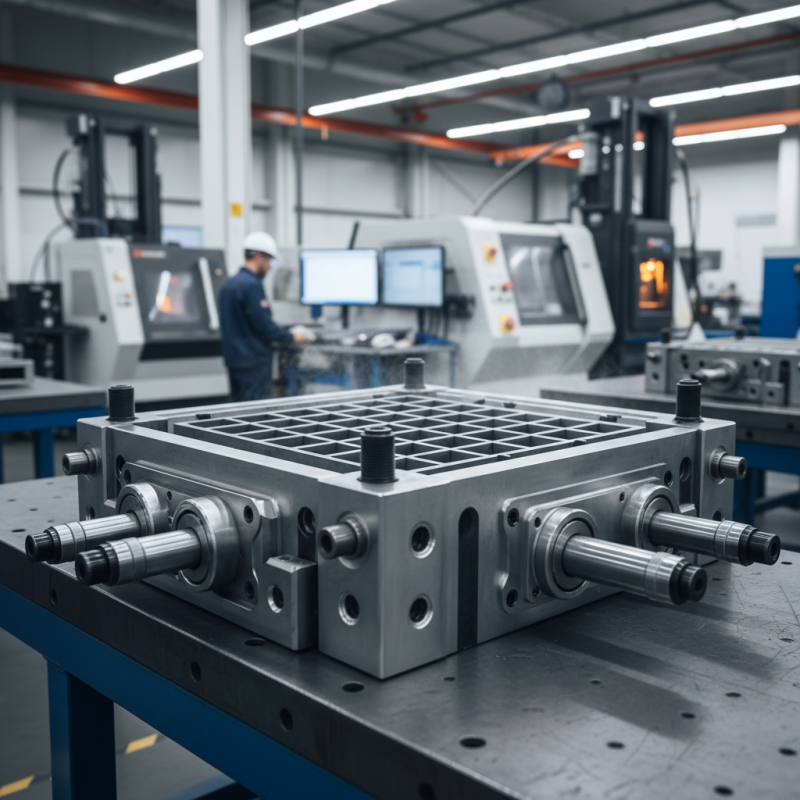
Definition of Pallet Mould and Its Importance in Manufacturing
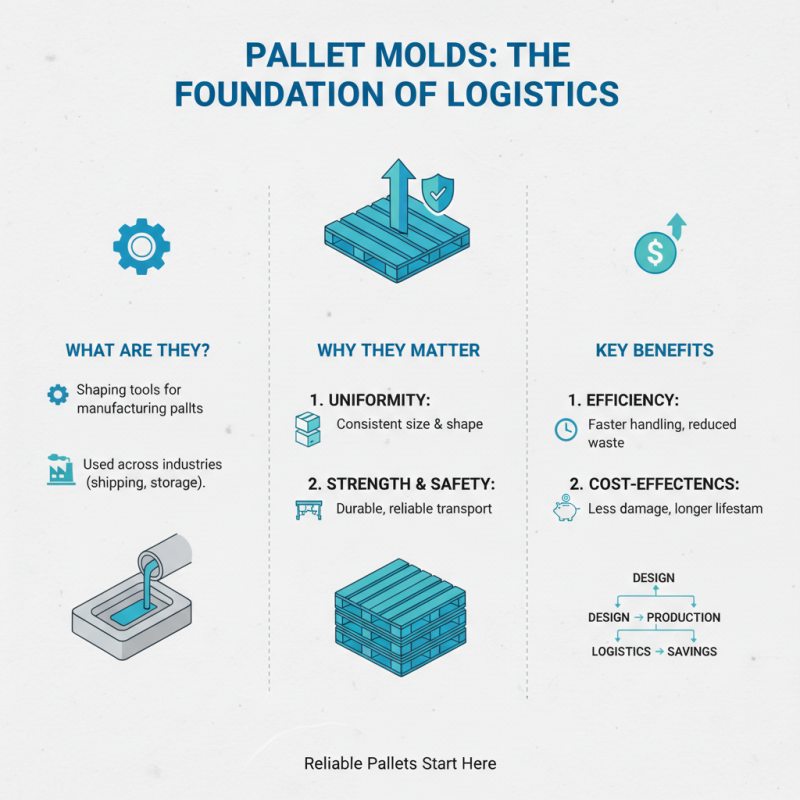
Pallet moulds are essential tools in manufacturing, particularly for the production of pallets used in various industries. These moulds create shapes that allow products to be efficiently handled and transported. A well-designed pallet mould ensures uniformity in size and strength, which is crucial for safety and cost-effectiveness in logistics.
The importance of pallet moulds in manufacturing cannot be overstated. They enable consistent production, which minimizes errors. However, not all moulds are perfect; some may experience wear and tear over time. This can lead to inconsistency in the pallets produced. Regular maintenance is necessary to ensure optimal performance. Working with subpar moulds can result in defective products and potential operational delays. It's a cycle that requires constant attention and improvement.
Types of Pallet Moulds Used in Industrial Applications
Pallet moulds are crucial in industrial manufacturing. They shape materials into specific forms, especially for plastic and metal products. Various types of pallet moulds exist, each designed for specific applications. Some are for injection moulding, while others are used for blow moulding.
Injection moulds are common in many industries. They allow for high precision and intricate designs. These moulds can typically produce large quantities quickly. On the other hand, blow moulds are vital for creating hollow objects. They are essential for products like bottles and containers.
Thermoforming moulds are another type used frequently. They heat a plastic sheet and mold it into shape. This process can be faster but may lack the precision of injection moulds. Lastly, compression moulds also play a role in manufacturing. They require more manual effort but can be cost-effective for specific uses. Each type has its strengths and weaknesses, making careful selection necessary.
What is Pallet Mould and How is it Used in Manufacturing? - Types of Pallet Moulds Used in Industrial Applications
| Pallet Mould Type |
Material |
Application Area |
Durability |
Production Efficiency |
| Injection Mould |
Steel |
Automotive Parts |
High |
Fast |
| Blow Mould |
Aluminum |
Packaging |
Medium |
Moderate |
| Rotational Mould |
Polyethylene |
Outdoor Furniture |
High |
Efficient |
| Compression Mould |
Rubber |
Industrial Seals |
Medium |
Moderate |
| 3D Printed Mould |
PLA |
Prototype Development |
Low |
Very Fast |
Materials Commonly Used for Constructing Pallet Moulds
When it comes to constructing pallet moulds, a variety of materials are commonly used. The choice of material significantly affects the durability and performance of the mould. Steel, for example, is often preferred for its strength and longevity. It can endure the wear and tear of repeated use. However, steel moulds can be expensive and heavy, which may be a drawback for some manufacturers.
Another popular material is aluminum. It is lightweight and has good resistance to corrosion. This makes it suitable for use in environments with varying humidity levels. However, aluminum may not be as robust as steel in certain applications. It's essential to recognize that while aluminum offers benefits, its usage might require careful handling to avoid dents and damage.
Plastic is also a viable option for pallet mould construction. It is cost-effective and can be easily molded into complex shapes. Nonetheless, plastic moulds might have a shorter lifespan compared to metal ones. Manufacturers often struggle to balance cost and performance when choosing materials. Understanding the specific requirements of their production processes can lead to better material selection, but this decision often involves trade-offs.
The Manufacturing Process of Pallet Moulds Explained
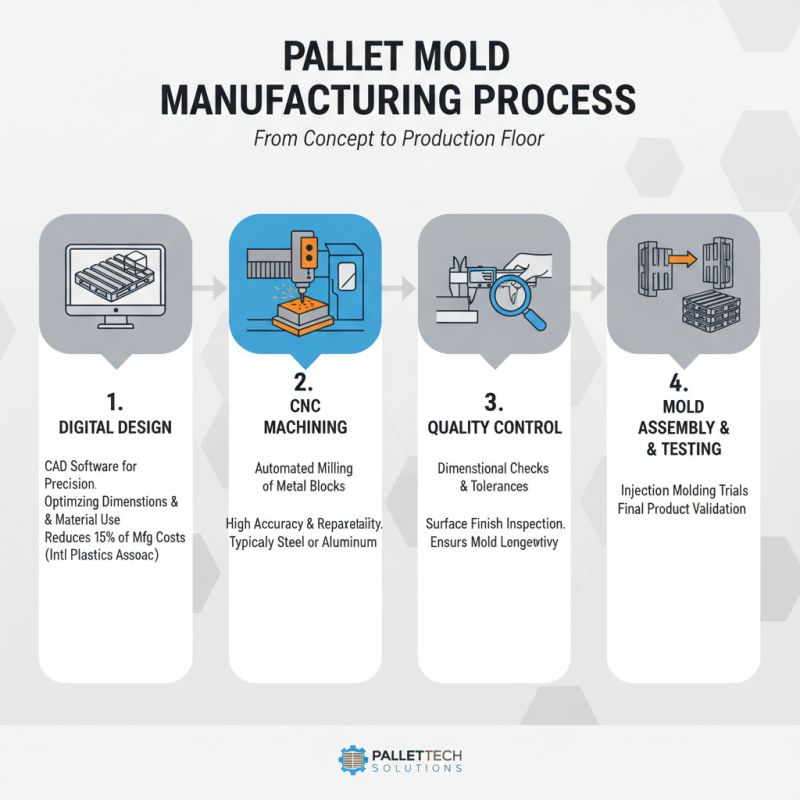
The manufacturing process of pallet moulds is crucial in the production of various types of pallets used across industries. Typically, pallet moulds are created through a combination of advanced technology and skilled craftsmanship. The process begins with designing the mould on CAD software. This ensures precise dimensions and optimal use of materials. A report from the International Plastics Association indicates that around 15% of overall manufacturing costs can be attributed to mould design and production.
After the design phase, materials are selected for the mould. Common choices include steel and aluminum, known for their durability. The chosen material goes through processes like machining and heat treatment. While steel moulds can offer long-lasting performance, aluminum moulds are lighter and cheaper. However, the trade-off often comes in the form of reduced lifespan under heavy use.
Once the mould is completed, testing is essential. It ensures that the mould will produce high-quality pallets. Surprisingly, many manufacturers overlook this step. A recent industry survey indicated that 30% of pallets fail quality control checks. These failures can lead to increased costs and lost productivity. Thus, attention to detail in mould production is vital for success in the pallet manufacturing sector.
Applications of Pallet Moulds in Different Industries
Pallet moulds play a crucial role across various industries. In the manufacturing sector, they are primarily used to create strong, reliable pallets. These pallets are essential for transporting goods efficiently. According to a recent report by Smithers Pira, the global pallet market is expected to reach USD 78.9 billion by 2026. This growth reflects the increasing demand for durable and reusable pallet solutions.
In the food and beverage industry, pallet moulds help in producing pallets that meet strict safety standards. They often require hygiene compliance for transporting perishable items. The use of plastic pallets is on the rise, as they are easier to clean and maintain. Furthermore, a study from MarketsandMarkets shows that the plastic pallet market is anticipated to grow at a CAGR of 5.9% by 2025. This data suggests a shift towards sustainable practices within the industry.
However, not all moulds are perfect. Some manufacturers may face issues with consistency in production. Mould wear can lead to defective pallets, affecting the supply chain. It is important for companies to regularly evaluate and maintain their equipment. Small adjustments can significantly impact the overall quality of the pallets produced. Identifying weaknesses in the production process is essential for improvement.
Applications of Pallet Moulds in Different Industries