What is Heavy Duty Weight Mold and How is it Used?
Heavy Duty Weight Mold is a specialized tool used in various manufacturing processes. It is designed to create durable and heavy components for different industries. These molds are crucial for producing parts that require high strength and durability, such as automotive and construction materials. In recent years, the demand for Heavy Duty Weight Molds has increased significantly. Manufacturers are focusing on efficiency and quality. These molds can withstand high pressure and repeated use, making them suitable for large-scale production. However, the complexity in production processes can lead to challenges. For example, imperfections in the mold may affect the final product's quality. Understanding how Heavy Duty Weight Molds are used can help improve manufacturing practices. It's important to consider both the advantages and limitations of these molds. As industries evolve, the design and functionality of Heavy Duty Weight Molds must adapt too. This ongoing development invites reflection on best practices within manufacturing.
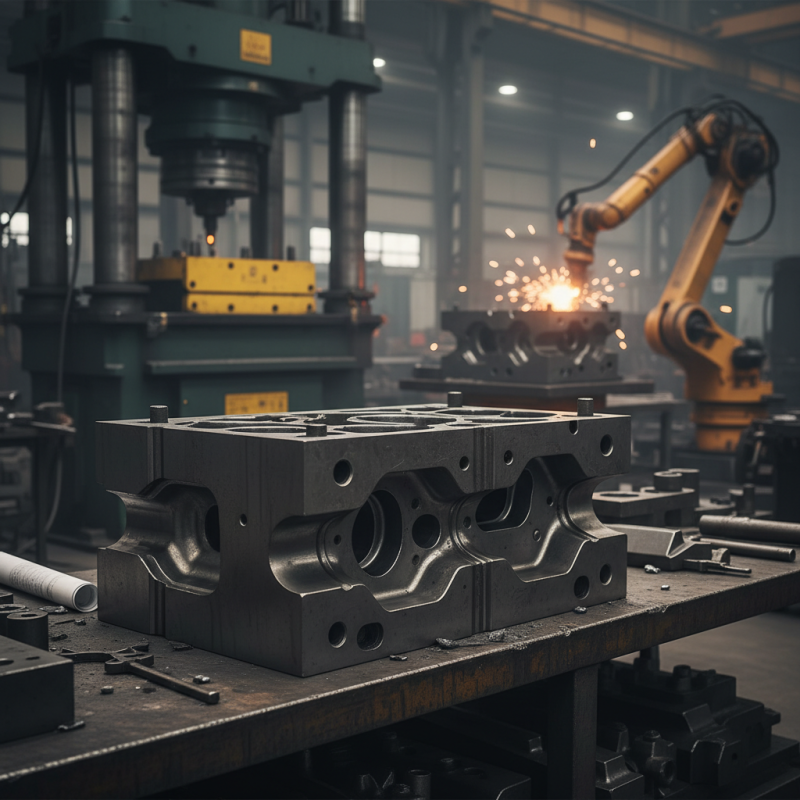
Definition and Characteristics of Heavy Duty Weight Mold
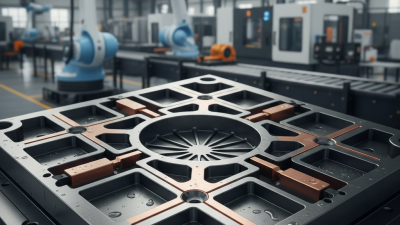
Heavy duty weight molds are essential in various manufacturing processes. These molds are designed to withstand high pressure and heavy loads. Typically made from robust materials, they prevent deformation and maintain precision under heavy usage. A study by the Global Mold Industry Association reported that heavy duty molds can increase production efficiency by up to 40%. This is due to their durability and reliability.
These molds are often used in construction, automotive, and aerospace sectors. They allow for consistent production of large parts. The characteristics of heavy duty molds include high tensile strength and excellent thermal stability. This ensures that they can handle extreme conditions without failing. The market for heavy duty molds is expected to grow, driven by increased industrial demand.
**Tip:** Regular maintenance of heavy duty molds is crucial. Inspect molds for any signs of wear. Small imperfections can lead to larger issues over time.
Choosing the right material is essential. Steel and aluminum are common choices, each with distinct benefits. Steel offers higher strength, while aluminum is lighter and easier to manipulate. Understanding the specific requirements of your application can lead to better outcomes.
**Tip:** Always refer to industry standards when designing or using heavy duty molds. Standards ensure safety and efficiency.
Heavy Duty Weight Mold Usage Analysis
Applications of Heavy Duty Weight Molds in Various Industries
Heavy duty weight molds are essential in various industries. They are designed to create robust products that require durability and strength. These molds are widely used in construction, automotive, and manufacturing sectors.
In construction, heavy duty weight molds are often employed to form concrete elements. They ensure uniformity in weight and size. This is critical for structural integrity. For automotive applications, these molds help in producing heavy components. They provide a reliable solution for parts that must endure high stress.
Tip: Always check the quality of the mold before use. A damaged mold can lead to structural failures.
In the manufacturing industry, these molds are beneficial for creating weights used in machinery. They ensure that the equipment functions smoothly. However, not all molds perform equally. Some may have inconsistencies that affect production.
Tip: Regular maintenance of molds can prevent defects. Inspect them regularly for wear and tear to maintain quality.
Materials Used in the Construction of Heavy Duty Weight Molds
Heavy duty weight molds are essential in various industries. These molds are designed to withstand high pressure and heavy loads. The construction of these molds involves a selection of durable materials. Commonly used materials include steel, aluminum, and reinforced plastics. Steel offers excellent strength and longevity. Aluminum, while lighter, provides good strength-to-weight ratio. Reinforced plastics add flexibility and resistance to wear.
The choice of material impacts performance significantly. Steel molds are often heavy and robust. However, they can be challenging to handle. Aluminum molds are easier to manipulate but may wear out faster. Meanwhile, reinforced plastics can serve specific applications nicely. They resist corrosion and are lighter, but may not be as sturdy under extreme conditions.
Manufacturers must consider the intended use of the mold. It's crucial to select materials that match the project’s demands. For example, using lightweight materials for easy transport may compromise strength. Balancing durability and usability is often difficult. This balance requires careful thought and consideration during the design phase. Sometimes, the best choice is a combination of materials to optimize performance.
What is Heavy Duty Weight Mold and How is it Used?
| Material Type |
Description |
Common Applications |
Strength |
| Steel |
High tensile strength, durability, and resistance to deformation. |
Industrial weight molds, construction, automotive. |
Very High |
| Aluminum |
Lightweight and resistant to corrosion, good thermal conductivity. |
Sports equipment, maritime applications. |
Moderate |
| Concrete |
Strong compressive strength, used for making heavy fixtures. |
Heavyweight molds, construction blocks. |
High |
| High-Density Polyethylene (HDPE) |
Durable, chemical-resistant, and lightweight plastic. |
Container molds, toy manufacturing. |
Low |
Benefits of Using Heavy Duty Weight Molds in Manufacturing Processes
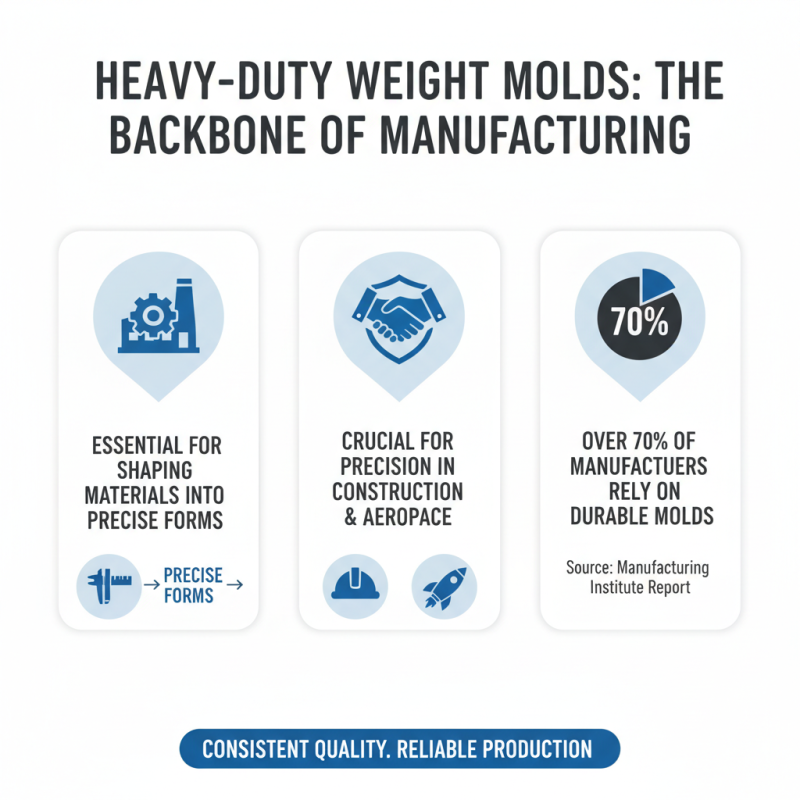
Heavy duty weight molds are essential in various manufacturing processes. They provide a robust framework for shaping materials into precise forms. This reliability is crucial in industries like construction and aerospace, where precision is vital. According to a recent report by the Manufacturing Institute, over 70% of manufacturers rely on durable molding tools to achieve consistent quality.
Using heavy duty weight molds can streamline production. These molds often withstand extreme conditions. They help reduce operational downtime, contributing to efficiency. A study from the National Association of Manufacturers found that companies that invest in high-quality molds improve output by nearly 30%. However, the cost of these molds can be a barrier for small businesses. They must weigh durability against budget constraints.
Another notable advantage is the reduction of material waste. Robust molds can achieve tighter tolerances, meaning less excess material gets discarded. This leads to cost savings and environmentally friendly practices. Yet, some manufacturers struggle to adapt to new technologies. Implementing heavy duty molds requires training and adjustment, often met with resistance. Balancing innovation with workforce readiness is a challenge many face in the evolving manufacturing landscape.
Maintenance and Care for Heavy Duty Weight Molds
Heavy duty weight molds are essential tools for various industries. They require specific care to maintain their functionality. Regular maintenance can extend the lifespan of these molds significantly. First, proper cleaning after each use is crucial. Residues can build up and cause defects in future castings.
Use a gentle brush to remove any debris.
Inspecting molds for signs of wear is vital. Look for cracks or chips that can lead to bigger issues. It’s easy to overlook these minor flaws, but they can affect performance. If you spot a problem, address it immediately. Sometimes, a simple repair can save the mold from being unusable.
Storing molds properly is equally important. Keep them in a dry, climate-controlled space. Exposure to moisture can cause rust or other damage. Sometimes, molds might need a light coat of oil before storage. This can prevent corrosion, yet many forget this step. Neglecting these details can lead to expensive replacements down the line.