What is Floor Mat Mold and How to Prevent it in Your Home
Floor Mat Mold is an increasingly prevalent issue in households, particularly in areas with high humidity and poor ventilation. According to a report by the National Institute of Environmental Health Sciences, mold growth thrives in environments where moisture levels exceed 60%, making floor mats in entryways and high-traffic areas vulnerable to such conditions. As many homes incorporate floor mats for both aesthetic and practical purposes, the presence of mold not only poses health risks—such as respiratory problems and allergies—but also compromises the integrity and safety of the mats themselves.
To effectively address the challenge of Floor Mat Mold, it is crucial to adopt preventative measures. The Environmental Protection Agency (EPA) highlights that controlling moisture levels is key to reducing mold growth. This can be achieved through methods such as improving ventilation, utilizing dehumidifiers, and ensuring that floor mats are cleaned and dried regularly. By staying informed about the risks associated with Floor Mat Mold and implementing proactive strategies, homeowners can create a healthier living environment while prolonging the lifespan of their mats. Understanding these factors can empower individuals to take action, safeguarding both their health and the cleanliness of their homes.
Understanding Floor Mat Mold: Causes and Effects
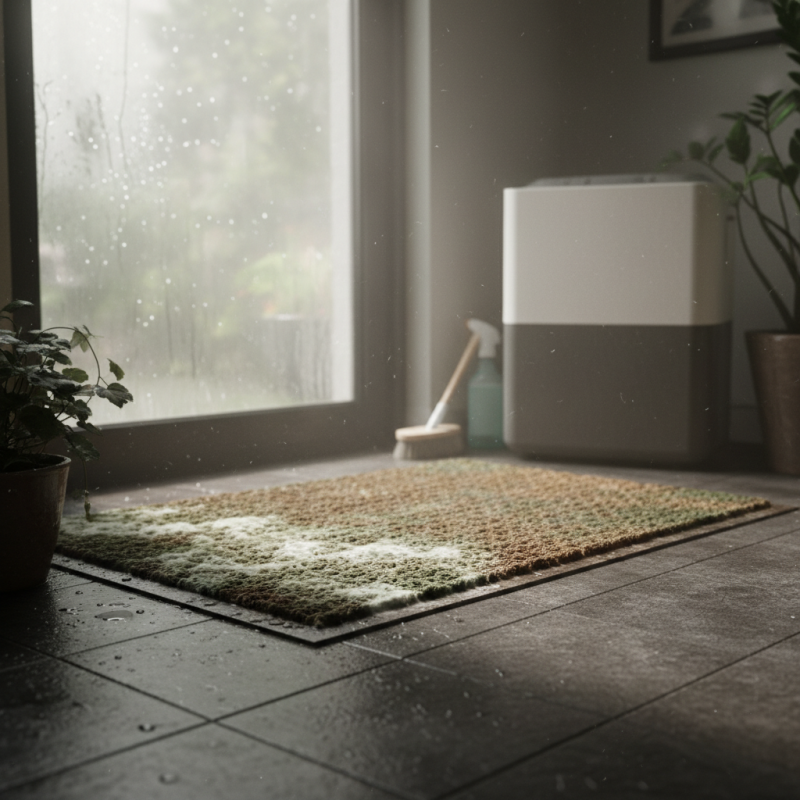
Floor mat mold is a common issue in households, particularly in areas with high humidity or limited airflow. Understanding the causes of floor mat mold is essential for effective prevention. Mold thrives in damp environments, and floor mats can collect moisture from spills, humidity, or even wet feet. Organic materials, such as rubber or fabric, provide an ideal surface for mold spores to settle and grow. Regular exposure to moisture without adequate drying increases the risk of mold development, leading to unsightly stains and potential health hazards.
The effects of floor mat mold can extend beyond just aesthetics. Mold can release spores into the air, which may trigger allergic reactions and respiratory issues in sensitive individuals. Prolonged exposure can reduce indoor air quality and contribute to other health problems such as asthma or skin irritations. Moreover, mold can degrade the quality of the mat itself, leading to increased wear and potentially costly replacements. To combat this, it is vital to implement preventive measures such as regular cleaning, ensuring proper ventilation, and promptly addressing spills to minimize moisture accumulation on floor mats.
What is Floor Mat Mold and How to Prevent it in Your Home - Understanding Floor Mat Mold: Causes and Effects
| Cause of Mold |
Effects |
Prevention Method |
Recommended Action |
| High Humidity |
Allergic reactions, respiratory issues |
Use dehumidifiers, ensure good ventilation |
Monitor humidity levels regularly |
| Moisture from Spills |
Odor, staining |
Quickly clean spills, use absorbent mats |
Keep the area dry and clean |
| Poor Air Circulation |
Increased mold growth, health risks |
Improve airflow, use fans |
Inspect vents and reduce clutter |
| Damp Conditions |
Structural damage, mold spread |
Repair leaks, waterproof surfaces |
Regular inspections for leaks |
| Organic Debris |
Mold spores propagation |
Regular cleaning, vacuuming |
Remove dust and debris often |
Identifying Signs of Mold on Floor Mats
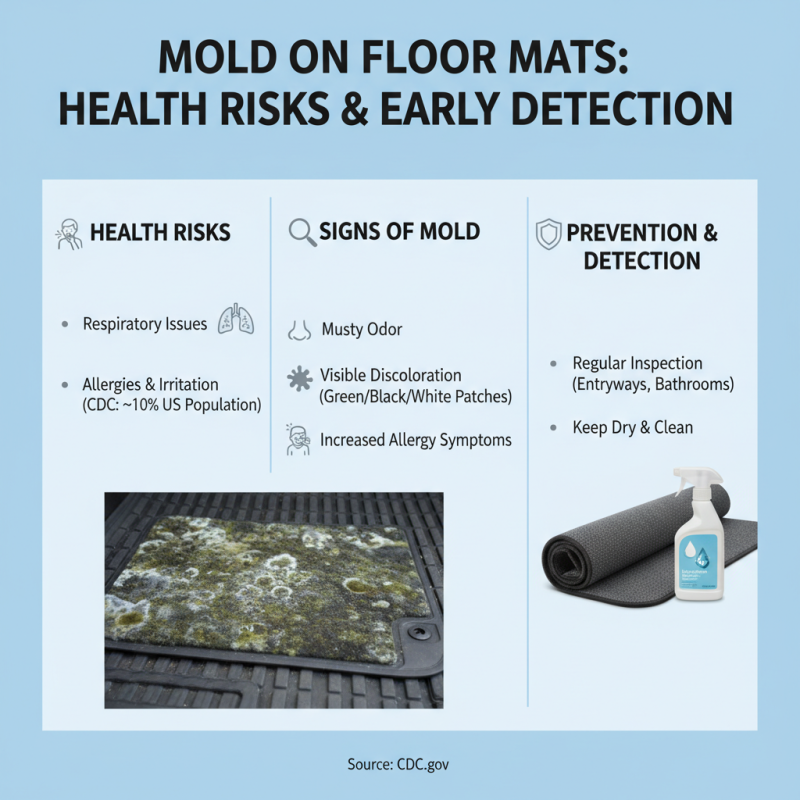
Mold growth on floor mats can pose significant health risks, making it crucial for homeowners to identify signs of mold presence early. Common indicators include a musty odor, visible discoloration, and increased allergy symptoms in inhabitants. According to the Centers for Disease Control and Prevention (CDC), mold can exacerbate respiratory conditions and allergic reactions, affecting approximately 10% of the population. Regular inspections of floor mats, especially in areas prone to moisture such as entryways and bathrooms, are essential for early detection.
In addition to visual and olfactory signs, homeowners should also be aware of specific conditions conducive to mold growth. A study published in the Journal of Environmental Health reveals that environments with humidity levels higher than 60% create an ideal breeding ground for mold spores. While not all floor mats will immediately show signs of mold, those that remain damp or are frequently exposed to moisture should be monitored closely. Implementing preventive measures such as using water-resistant mats and ensuring proper ventilation can greatly reduce the risk of mold proliferation, safeguarding both the home and its inhabitants.
Best Practices for Preventing Mold Growth on Floor Mats
To effectively prevent mold growth on floor mats, maintaining proper cleanliness and moisture control is essential. Regularly vacuuming and cleaning floor mats with a mild detergent can remove dirt, dust, and organic material, which are potential food sources for mold. For mats that are machine washable, following the manufacturer's instructions for washing and drying can further help eliminate any bacteria or spores that may lead to mold.
In addition to cleaning practices, controlling humidity levels in your home is crucial. Keeping indoor humidity between 30% and 50% can significantly reduce the likelihood of mold development. Using a dehumidifier in damp areas, like basements or bathrooms, can be beneficial. Furthermore, ensuring proper ventilation in areas where floor mats are used can help maintain air circulation and reduce moisture accumulation. Regular inspection of floor mats for signs of mold or dampness also allows for early intervention, preventing the spread of mold in your home.
Preventing Floor Mat Mold: Best Practices and Data Insights
Cleaning and Maintaining Floor Mats to Avoid Mold
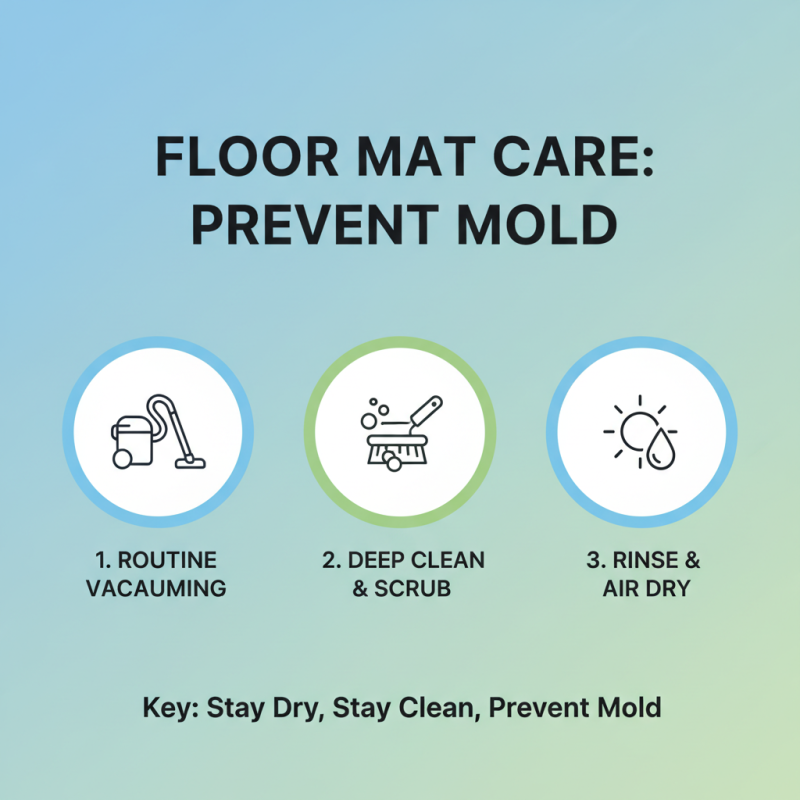
Cleaning and maintaining floor mats is essential for preventing the growth of mold, which can thrive in damp environments. Regular cleaning not only keeps the mats looking fresh but also significantly reduces the risk of mold development. Begin by vacuuming the mats routinely to remove dirt, dust, and debris that can trap moisture. For deeper cleaning, use a solution of mild detergent and water, scrubbing the mats gently with a soft brush or cloth. Be sure to rinse thoroughly to eliminate any soap residue, as it can attract dirt if left behind.
In addition to regular cleaning, it's crucial to ensure that the floor mats dry completely after washing. Moisture left on the mats can create an ideal breeding ground for mold. Place the mats in a well-ventilated area or outside on a sunny day to help expedite the drying process. Consider rotating the mats and washing them at least once a month to maintain a clean and mold-free environment. Implementing these practices not only prolongs the lifespan of your floor mats but also contributes to a healthier home atmosphere.
When to Seek Professional Help for Mold Issues in Your Home
Mold can pose significant health risks and structural damage to your home, making it essential to know when to seek professional help. If you notice a persistent musty odor or visible mold growth on floor mats or other surfaces despite your cleaning efforts, it may be time to consult with a mold remediation specialist. These professionals have the tools and expertise to assess the extent of the mold issue and determine the underlying causes, whether they be excess moisture, poor ventilation, or water damage.
Additionally, if anyone in your household experiences persistent health issues, such as respiratory problems or allergic reactions, that you suspect may be related to mold exposure, it is crucial to seek professional assistance. A qualified expert can conduct thorough testing to identify the type of mold present and provide tailored solutions to ensure a safe living environment. Ignoring mold issues can lead to more severe situations, so addressing them promptly with the help of professionals is always wise.