How to Choose the Right Vegetable Fruit Crate Mould for Your Needs?
Choosing the right Vegetable Fruit Crate Mould is essential for various agricultural and storage needs. The right mould can enhance efficiency and ensure product safety. Knowing what to consider is crucial before making a decision.
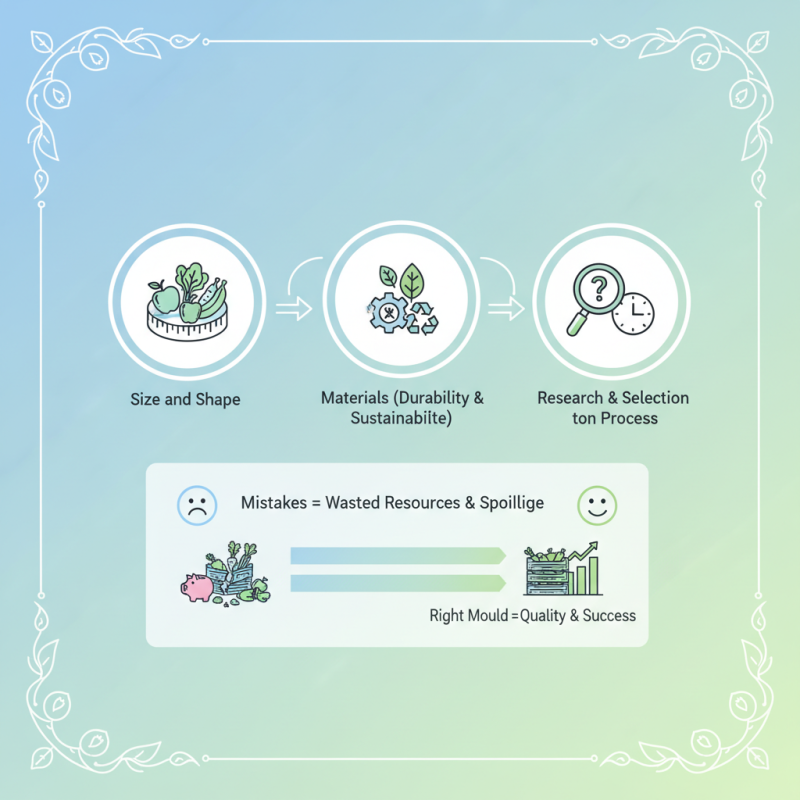
When selecting a Vegetable Fruit Crate Mould, think about the size and shape that suits your produce. Each type of fruit or vegetable may require specific dimensions for optimal protection. Consider the materials used in the mould as well. Durability and sustainability are important yet often overlooked factors.
Don’t rush the selection process. Mistakes can lead to wasted resources and spoilage. Reflect on your needs and do thorough research. The right mould can significantly impact the quality of your products and overall operational success.
Understanding the Different Types of Vegetable Fruit Crate Moulds
When selecting a vegetable fruit crate mould, understanding the available options is crucial. Different types are designed for various purposes. Some moulds cater to delicate fruits, while others suit sturdy vegetables. The material used also plays a role. Plastic moulds are lightweight and easy to handle. In contrast, wooden moulds add durability but may be heavier.
Consider the size and shape of the crates. Moulds come in various dimensions to fit different storage and transportation needs. Square moulds may stack well, while rectangular ones maximize space efficiency. Additionally, ventilation is essential for preventing spoilage. Some designs incorporate airflow holes, which are beneficial.
It is essential to reflect on your specific requirements. Are you handling large batches or small quantities? High-pressure production may need a robust design. Meanwhile, hobbyists might prefer flexibility in shapes. Understanding these nuances can prevent costly mistakes. Choosing the right mould involves trial and error, so don’t be afraid to experiment.
Evaluating Material Options for Vegetable Fruit Crate Moulds
When selecting a vegetable fruit crate mould, the material matters greatly. Common options include plastic, wood, and metal. Each choice has its strengths and weaknesses. Plastic is lightweight and easy to clean. However, it might not be as durable under varying temperatures. Metal can offer robust longevity, but it may be prone to rust. Wooden crates provide a natural aesthetic and good insulation for produce. Yet, they require more care to prevent damage.
Consider the specific needs of your produce. If you transport heavy fruits, sturdier materials are ideal. If you prioritize sustainability, wooden options might be best. However, think about the weight and durability trade-off. Proper ventilation is essential too. If crates trap moisture, they could harm fresh vegetables.
Before deciding, reflect on your usage patterns. How often will you use these moulds? Will they be exposed to weather changes? Assess your requirements critically. Explore how each material aligns with your goals. It’s a complex decision, and every option has a downside. Take time to weigh your choices thoughtfully.
Material Options for Vegetable Fruit Crate Moulds
Assessing Size and Shape Requirements for Your Crate Mould
When selecting a vegetable fruit crate mould, understanding size and shape requirements is essential. A crate that is too large can lead to wasted space, while one that is too small might damage delicate produce. Measure the dimensions of your fruits and vegetables first. Width, height, and depth matter greatly in ensuring protection during transport.
Thinking about shape is also important. Crates can come in various designs, such as square or rectangular. Choose a shape that complements your produce. Some items need more breathing room, whereas others stack well. Consider the stability of your crate when stacked. A poorly designed crate can result in mishaps.
Reflect on your storage conditions too. If space is tight, compact designs often work best. However, if you have ample room, larger crates might offer efficiency. Balancing these elements can be challenging, and it's okay to experiment. Each choice teaches you something valuable about your needs. Adjustments might be necessary as you discover what works best for your produce storage and transport.
How to Choose the Right Vegetable Fruit Crate Mould for Your Needs?
| Crate Size (L x W x H) |
Volume (L) |
Weight Capacity (kg) |
Material |
Typical Uses |
| 60 cm x 40 cm x 30 cm |
72 |
25 |
Plastic |
Vegetables, Fruits |
| 80 cm x 60 cm x 40 cm |
192 |
45 |
Wood |
Bulk Storage, Transport |
| 40 cm x 30 cm x 25 cm |
30 |
10 |
Cardboard |
Retail Display, Small Fruits |
| 100 cm x 80 cm x 60 cm |
480 |
100 |
Metal |
Commercial Transport, Heavy Fruits |
Considering Production Volume and Efficiency in Mould Selection
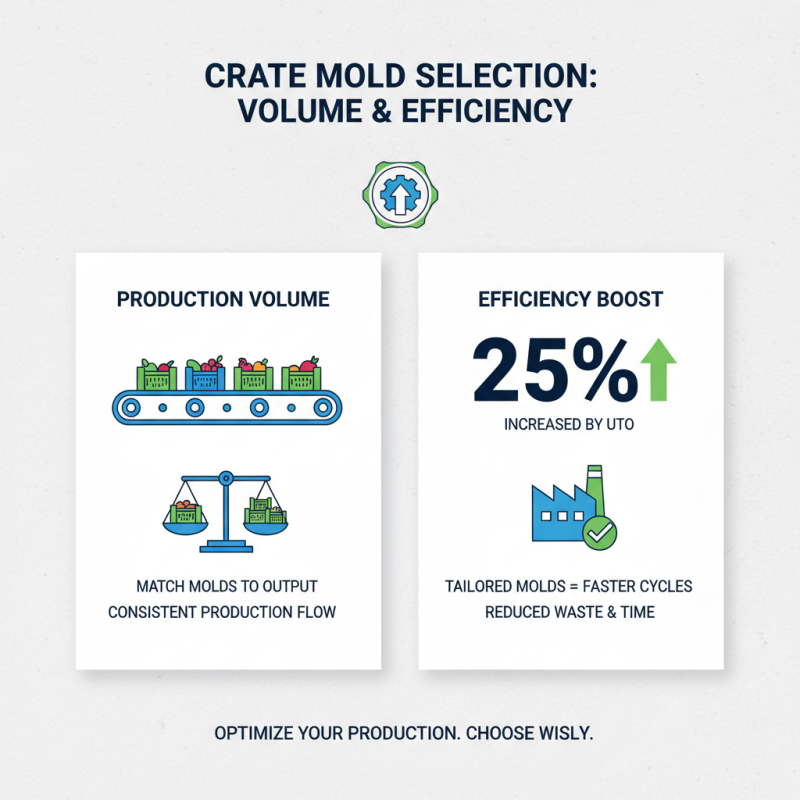
When selecting the right vegetable and fruit crate mould, production volume and efficiency are key factors. According to industry reports, businesses experience an efficiency increase of up to 25% by choosing molds tailored to their specific production needs. Understanding your production volume helps ensure that the moulds effectively match your output requirements.
It's vital to consider the type of produce being handled. For instance, delicate fruits may require gentler handling and customized designs. A study by the Food Packaging Institute highlights that improper moulds can lead to damage, resulting in a 15% increase in waste. This could significantly impact both costs and brand reputation.
Moreover, the choice of materials for the mould also plays a crucial role. High-quality materials can withstand production pressures, reducing the risk of breakage and downtime. However, achieving the right balance between cost and quality is often challenging. While some manufacturers may lean towards cheaper options, they could face long-term setbacks. Ensuring efficiency while minimizing waste must be a priority throughout the selection process.
Identifying Cost Factors and Budget Constraints in Mould Purchase
When choosing a vegetable fruit crate mould, understanding cost factors is crucial. Report data shows that production costs can vary widely. Factors like materials, design complexity, and durability all impact price. High-quality molds typically cost more upfront but may save money over time. Investing in a durable option can reduce replacement frequency and associated costs.
Budget constraints also affect the mould choice. Research indicates that 70% of businesses have a strict mould budget. Allocating funds wisely is essential. For many, the initial purchase may represent a significant investment. Finding a balance between quality and affordability can be challenging.
Consider maintenance costs as well. According to industry sources, improper mould care can lead to faster degradation. This results in additional expenditures for replacements and downtime. Investing a bit more initially can prevent higher expenses down the line. Reflecting on these factors can guide decision-making effectively, ensuring you choose the right mould for your needs.