Choosing the right Logistic Pallet Mould is vital in today’s fast-paced supply chain environment. The logistics industry has reported that efficient pallet usage can reduce transportation costs by up to 30%. With a growing demand for optimization, selecting the ideal mould becomes pivotal.
When assessing your needs, consider material durability and mould design. Research indicates that high-quality moulds can enhance pallet life by 25%. However, not every mould suits every purpose. Some might be too heavy or not stackable enough for certain products. This mismatch could lead to increased operational costs.
It's essential to reflect on the production and handling requirements. A suitable Logistic Pallet Mould should not only meet current demands but also adapt to future challenges. Balancing cost and functionality in your selection is crucial. Recognizing the trade-offs will help avoid any pitfalls in your logistics strategy.
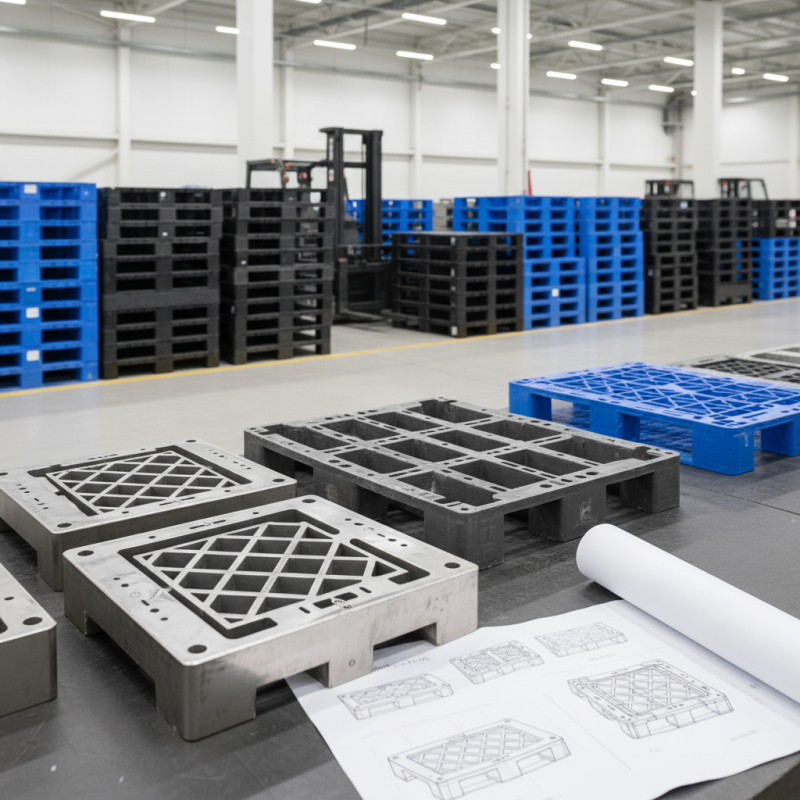
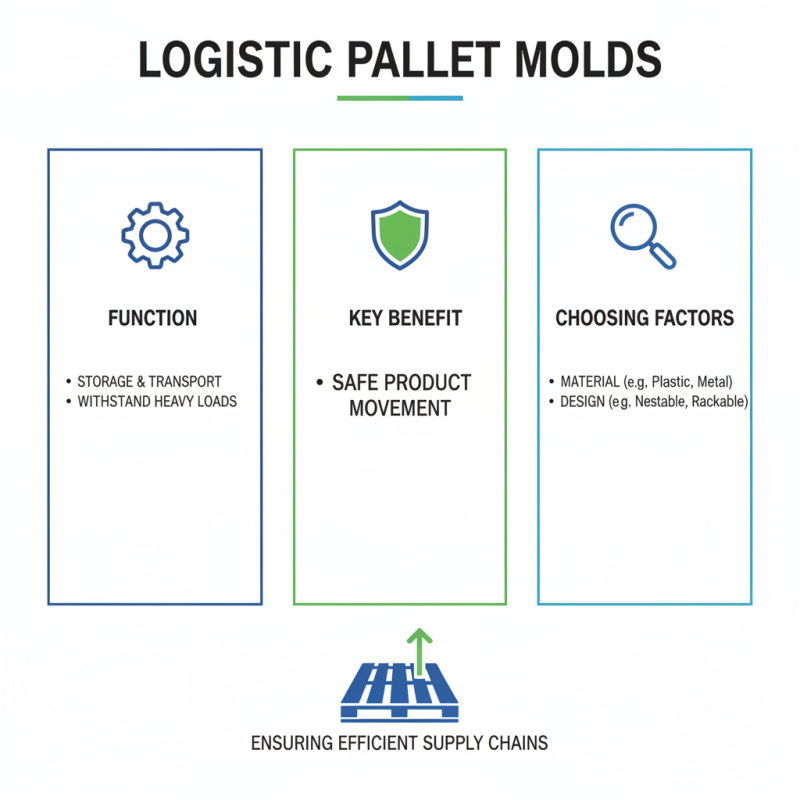
Logistic pallet moulds play a crucial role in the storage and transportation of goods. They are designed to create pallets that can withstand heavy loads. This strength ensures the safe movement of products. When choosing a pallet mould, one needs to focus on various factors, including material and design.
One important tip is to consider the type of loads you will be handling. Different moulds suit different weights. Additionally, think about the environment where the pallets will be used. Will they be stored indoors or outdoors? Moisture and temperature changes can impact pallet durability.
Another factor to reflect on is the cost-effectiveness of the mould. Cheaper doesn’t always mean better. Watch for long-term benefits versus upfront costs. Investing wisely can lead to greater savings over time. Taking the time to assess your specific needs is essential. It can reveal potential pitfalls and ideal solutions for your logistic needs.
When choosing a logistic pallet mould, understanding your specific needs is crucial. Factors such as size, weight capacity, and material play significant roles. Each product has unique requirements that depend on your operational processes. If you handle various goods, consider adjustable options. This flexibility can save you time and effort in the long run.
Tips: Always match the mould to your products. Don't overlook how weight affects transport. Consult with your team about daily operations. Their insights may uncover issues you haven't considered.
Evaluate your current pallet usage. Are they durable enough? Do they withstand wear and tear? A thorough assessment reveals potential faults in your existing systems. Taking the time to reflect on these aspects can lead to better decisions. This introspection is essential for selecting the right mould that meets your logistics goals.
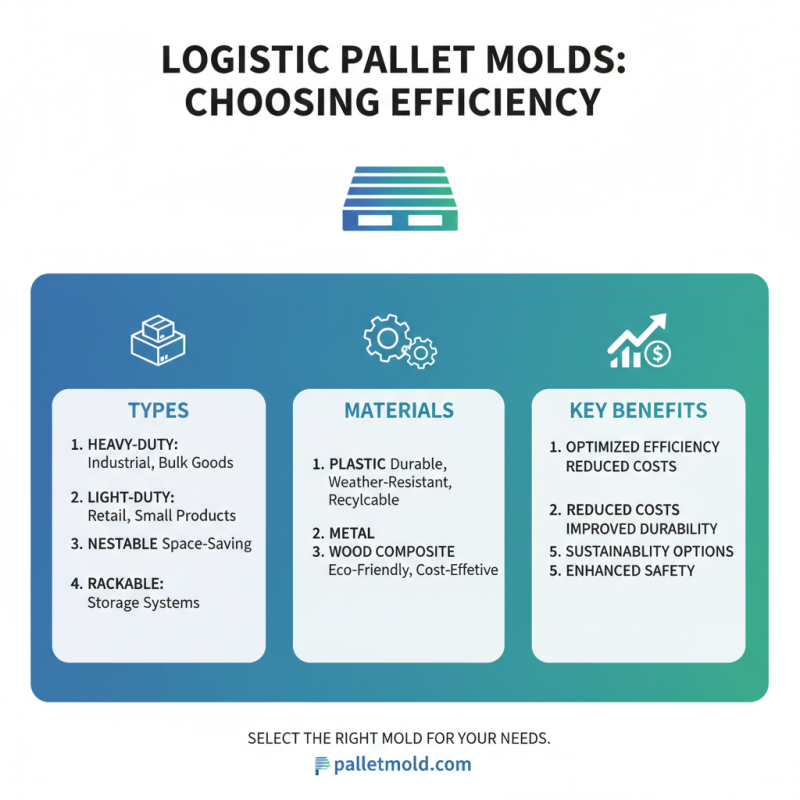
Choosing the right logistic pallet mould is essential for efficiency. There are various types of moulds available, each serving a unique purpose. Some moulds are designed for heavy-duty loads, while others are suitable for lighter products. Materials vary too, with options like plastic and metal.
When selecting a mould, consider the type of goods you will be transporting. A pallet mould for heavy machinery will differ from one used for retail items. Think about the dimensions and weight capacity as well. Sometimes, a standard size won't meet your specific needs, leading to inefficiencies in space or load management.
**Tips:** Always test a mould before fully committing. Examine its durability and performance under stress. Mould design can also affect stacking stability. Make sure to balance cost with quality. Sometimes, cheaper options may lead to long-term costs due to damage or inefficiency. Custom moulds could be a solution but require a greater investment of time and resources. Reflect on the long-term gains versus short-term savings.
Selecting the right material for your logistic pallet mould is crucial. Different materials offer varied levels of durability and efficiency. Common options include plastic, wood, and metal. Each has its own advantages and drawbacks. For instance, plastic molds are lightweight and resistant to moisture. However, they may not withstand heavy loads over time. Wooden moulds are sturdy and readily available but can warp. Metal options provide excellent strength but come with a higher cost and weight.
Consider your specific needs carefully. Load capacity is essential. Will it support heavy goods consistently? Lastly, think about environmental factors. Will it be exposed to harsh conditions? Reflecting on these questions will help you choose a suitable material. Don't rush this decision. Each factor can significantly impact your logistics efficiency. Test your chosen material under real conditions before committing to it. Doing so can reveal hidden issues and save time later.
| Material Type | Durability (Years) | Load Capacity (kg) | Weight (kg) | Cost ($) | Recyclability (%) |
|---|---|---|---|---|---|
| Wood | 5-10 | 1500 | 25 | 30 | 100 |
| Plastic | 8-15 | 1200 | 15 | 50 | 80 |
| Metal | 10-20 | 3000 | 30 | 75 | 100 |
| Composite | 5-12 | 1800 | 20 | 65 | 90 |
When selecting a logistic pallet mould, reputation matters. Checking the manufacturer’s history is crucial. Look for companies with years of experience. Newer manufacturers may lack the reliability you need. A well-established company often has a track record of quality and consistency.
Customer reviews provide valuable insights. They reveal real experiences from users. Pay attention to both positive and negative feedback. Positive reviews show satisfaction and reliability, but negative reviews can be enlightening. They highlight potential drawbacks. A single bad review may not be alarming, but patterns in feedback often indicate issues.
Perform thorough research online. Websites and forums can offer unbiased opinions. Ask peers in your industry for recommendations. Their firsthand experiences may guide you towards reputable manufacturers. Learning from their mistakes can save time and money in the long run. A well-informed decision is always the best choice in the long run.