China Top Plastic Trash Can Mold Types and Their Benefits?
In recent years, the demand for efficient waste management solutions has surged. The global plastic waste issue has put a spotlight on products like Plastic Trash Can Mold. According to a report by MarketsandMarkets, the plastic mold market is projected to reach $45 billion by 2025, driven primarily by the increase in urbanization and the need for sustainable practices.
Different types of Plastic Trash Can Mold cater to diverse consumer needs. They provide benefits like durability, cost-effectiveness, and customization options. For example, injection molding techniques lead to faster production rates with consistent quality. A study from Grand View Research shows that the demand for molded plastic products is set to witness a CAGR of 5.7% from 2021 to 2028.
However, the industry faces challenges, including environmental concerns surrounding single-use plastics. The need for eco-friendly alternatives is growing. Consumers are becoming increasingly aware of their carbon footprint. This realization prompts manufacturers to rethink their strategies. Understanding these dynamics is essential for stakeholders aiming to innovate in the plastic trash can mold sector.
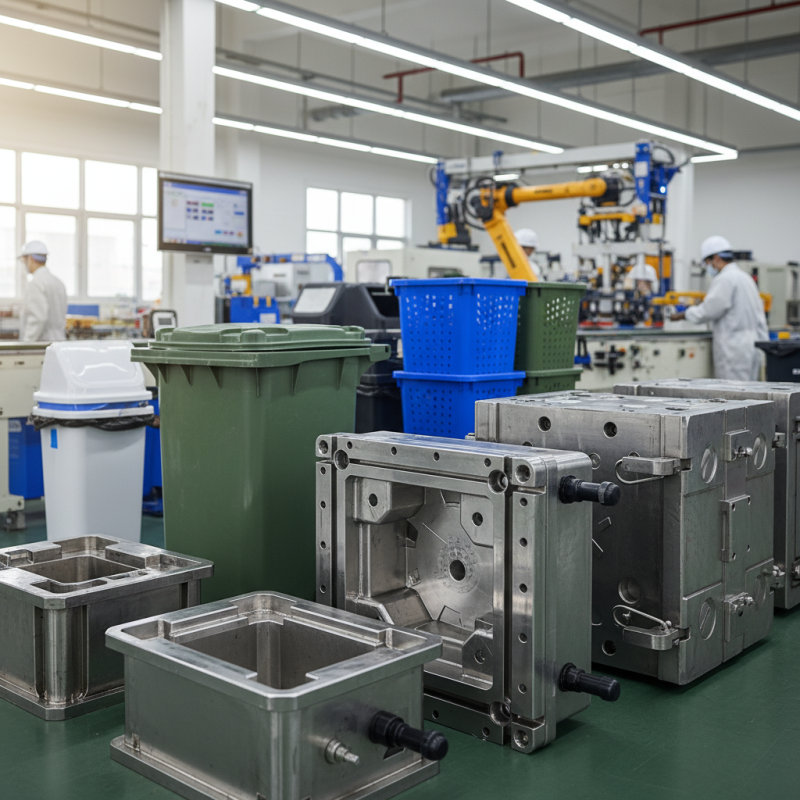
Types of Plastic Trash Can Molds Used in China
In China, various types of plastic trash can molds are prevalent in the manufacturing industry. Each type serves a specific purpose, catering to different packaging needs.
Injection molds are widely used for creating intricate designs. They allow for high production rates and customization, essential for meeting market demands.
According to industry reports, injection molding can reduce production costs by up to 30%.
Blow molds are another crucial type. They are utilized for forming hollow objects, such as large outdoor trash cans. The process involves blowing air into molten plastic, creating a seamless finish.
This method ensures durability and lightweight properties. A recent study indicated that blow-molded products experience a 15% increase in market demand each year.
However, the reliance on such molds can lead to challenges. For instance, not all mold designs are optimized for recycling. Industry experts recommend better design practices that facilitate easier recycling of products.
Furthermore, mold maintenance is often overlooked, impacting production efficiency. Addressing these issues can enhance sustainability in the industry.
Advantages of Injection Molding for Plastic Trash Cans
Injection molding is a popular manufacturing process for creating plastic trash cans. This technique allows for the mass production of durable and consistent products. According to the Plastics Industry Association, this method accounts for over 30% of all plastic products made globally. With its efficiency, injection molding produces items quickly, enhancing production speeds.
One of the significant advantages of injection molding is material efficiency. The process minimizes waste, making it environmentally friendly. Typically, around 90% of the material used in injection molding is converted into the final product. This statistic highlights the effectiveness of the method. Consistency in production is another benefit. Each trash can produced has uniform dimensions and strength.
While injection molding boasts many benefits, it's important to consider its limitations. Mold design can be costly, impacting up-front investment. Additionally, complex designs might lead to longer production times if not planned effectively. Overall, balancing efficiency with cost is essential for manufacturers in this field.
China Top Plastic Trash Can Mold Types and Their Benefits
This chart illustrates the most popular mold types used for producing plastic trash cans in China, along with the corresponding number of advantages each type offers. Injection molding stands out with the highest benefits, making it a preferred choice for manufacturers.
Rotational Molding Techniques for Producing Plastic Trash Cans
Rotational molding has emerged as a leading method for producing plastic trash cans. This technique involves heating a hollow mold filled with plastic resin. As the mold rotates, the resin coats the inner surfaces, creating a uniform thickness. According to a recent industry report by the Plastics Industry Association, rotational molding accounts for over 30% of plastic container production. This process offers various advantages, especially for trash can manufacturing.
One significant benefit is the ability to create complex shapes. Rotational molding allows for seamless designs without joints or welds, contributing to better durability. The end product is less likely to crack or leak. Additionally, the process is energy-efficient, lowering production costs. A study from the National Institute of Standards and Technology indicates that rotational molding can reduce energy consumption by up to 40% compared to other manufacturing methods.
Despite these benefits, there are challenges. The initial setup cost for molds can be high, which may deter smaller manufacturers. Additionally, achieving consistent wall thickness requires precise control during the heating and cooling phases. Even with these issues, the advantages of rotational molding continue to make it an appealing choice for producing high-quality plastic trash cans. Careful consideration is critical to ensure that the benefits outweigh the drawbacks in production planning.
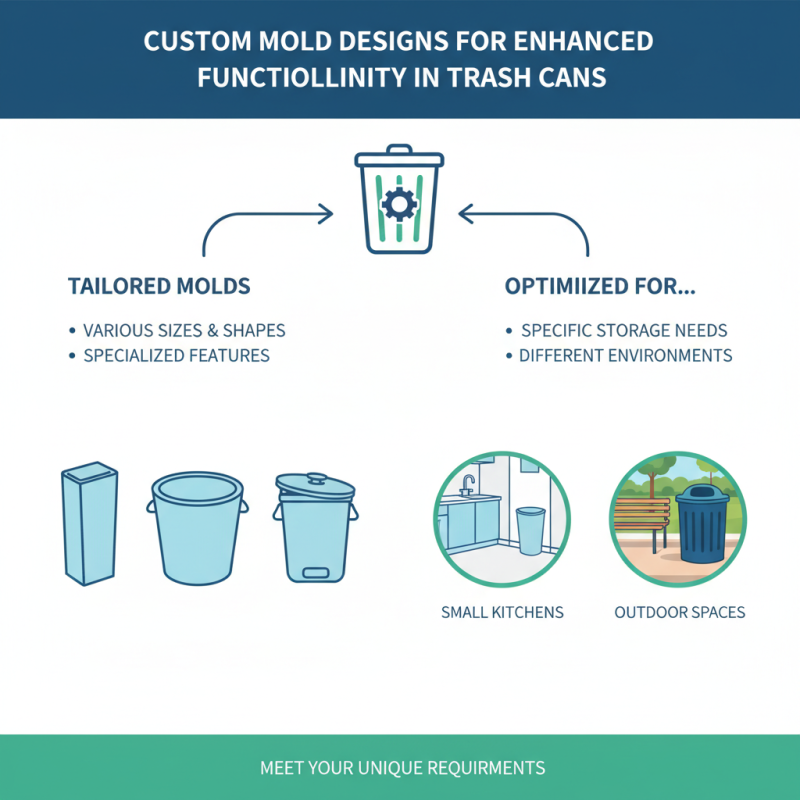
Custom Mold Designs for Enhanced Functionality in Trash Cans
Custom mold designs for trash cans can significantly enhance functionality. Tailored molds allow for various sizes, shapes, and features. This customization meets specific storage needs and fits different environments. For instance, a sleek, narrow design works well in small kitchens, while a larger model suits outdoor spaces.
Integrating intelligent features into molds is a growing trend. Sensors can trigger lid openings, promoting hands-free usage. Custom air filters can be included to combat odors, ensuring a fresher environment. However, the complexity of these designs may increase production costs. Balancing functionality with affordability is crucial.
Sustainability is another key aspect. Custom molds can be crafted from eco-friendly materials. This shift reflects a commitment to reducing plastic waste. However, the challenge lies in sourcing these materials consistently. Custom molds should not only adapt to user preferences but also prioritize environmental impact. Reflecting on these considerations can drive innovative solutions in the plastic trash can market.
Environmental Impact of Plastic Trash Can Molds and Recycling Options
Plastic trash can molds have significant environmental impacts. The production of these molds requires substantial resources and energy. The extraction of raw materials contributes to habitat destruction. This raises questions about sustainability in plastic manufacturing. The long lifespan of plastic waste adds to the problem, as many items end up in landfills.
Recycling options for plastic trash bins can mitigate some environmental damage. Many local programs accept plastic recycling. However, not all plastics are recyclable, which complicates efforts. Education on proper recycling practices is crucial. Many people are unaware of how to dispose of these items effectively. Creating awareness may lead to better recycling rates and less waste.
There is a need for innovation in eco-friendly materials. Developments in bioplastics show promise. Nevertheless, the transition to sustainable alternatives is slow. The plastic industry faces criticism for not acting decisively. Striking a balance between production and environmental conservation is essential for a better future.
China Top Plastic Trash Can Mold Types and Their Benefits
| Mold Type |
Material |
Benefits |
Environmental Impact |
Recycling Options |
| Injection Mold |
Polyethylene (PE) |
High durability, precise shapes |
Less waste during production |
Widely recyclable |
| Blow Mold |
Polypropylene (PP) |
Lightweight, stackable design |
Lower energy usage in production |
Recyclable in many regions |
| Rotational Mold |
Polyethylene (PE) |
Uniform wall thickness, large sizes |
Minimal waste and energy consumption |
Easily recyclable |
| Compression Mold |
Melamine |
Strong, heat-resistant |
Sustainable production practices |
Limited recyclability |
| 3D Printed Mold |
PLA (Polylactic Acid) |
Rapid prototyping, customizable |
Biodegradable options available |
Biodegradable under industrial conditions |