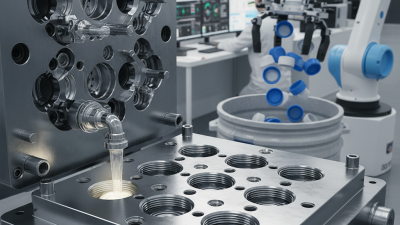
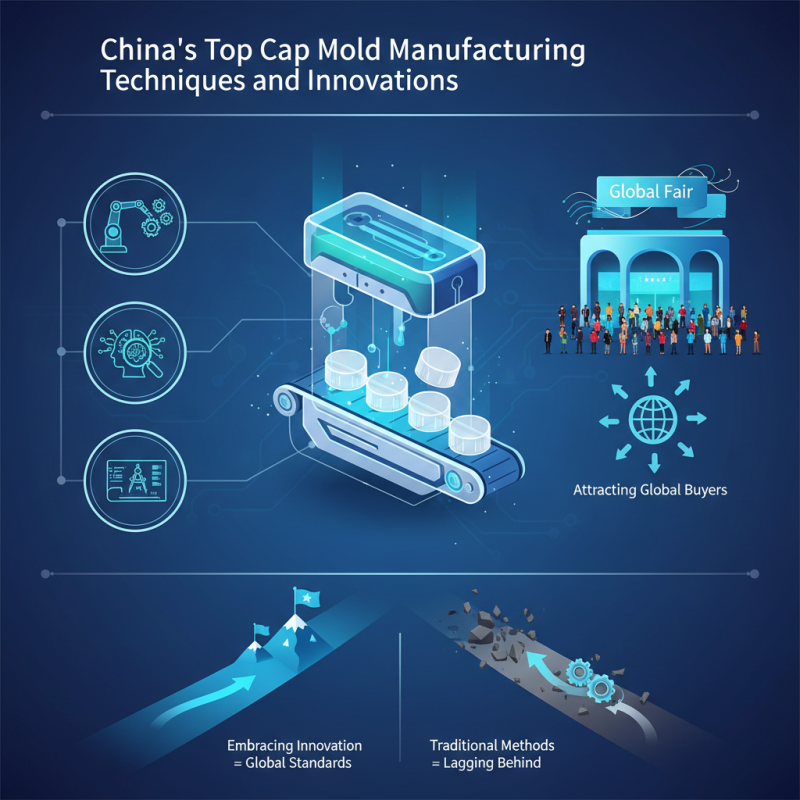
China has established itself as a leader in manufacturing techniques, particularly in the Cap Mold sector. Innovations in this field have transformed production capabilities, enabling manufacturers to produce higher precision molds more efficiently. The integration of advanced technologies, such as AI, into manufacturing processes is noteworthy. It enhances quality control and optimizes design processes.
At the upcoming 139th Canton Fair, these advancements will be highlighted. The fair will feature a dedicated section for advanced manufacturing. This includes presentations on new materials and techniques for cap molds. Manufacturers are expected to showcase their latest innovations, attracting buyers and clients from around the world.
However, challenges remain. Not every manufacturer fully embraces new technologies. Some still rely on traditional methods that can hinder their competitive edge. The gap between leading manufacturers and those lagging behind prompts reflection on best practices in the field. Embracing innovation is essential for reaching global standards.
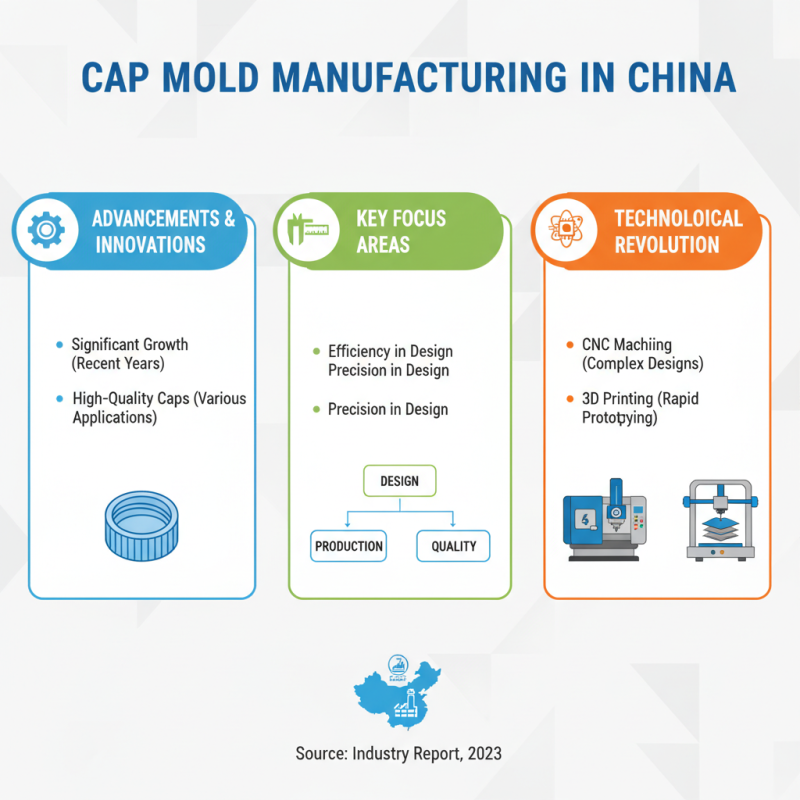
Cap mold manufacturing in China has seen significant advancements and innovations over recent years. This sector focuses on producing molds that create high-quality caps for various applications. Efficiency and precision in mold design play crucial roles. CNC Machining and 3D printing have revolutionized traditional methods, allowing for complex designs that were once unachievable.
However, challenges persist in this competitive arena. Many manufacturers struggle to balance cost and quality. Materials used in cap molds also influence durability and functionality. While many companies invest in high-tech solutions, not all have adopted best practices. The use of recycled materials is still an area for improvement. Moreover, some factories face issues with skilled labor shortages, impacting productivity.
Innovation is not solely about technology. Collaboration between engineers and designers can boost creativity. Simple communication gaps can lead to errors in mold production. Industry professionals often find themselves revisiting designs to rectify mistakes. Encouraging open dialogue may enhance the overall process. Striving for excellence means continuously evaluating current practices and seeking growth. This dynamic landscape keeps the cap mold manufacturing sector in China ever-evolving.

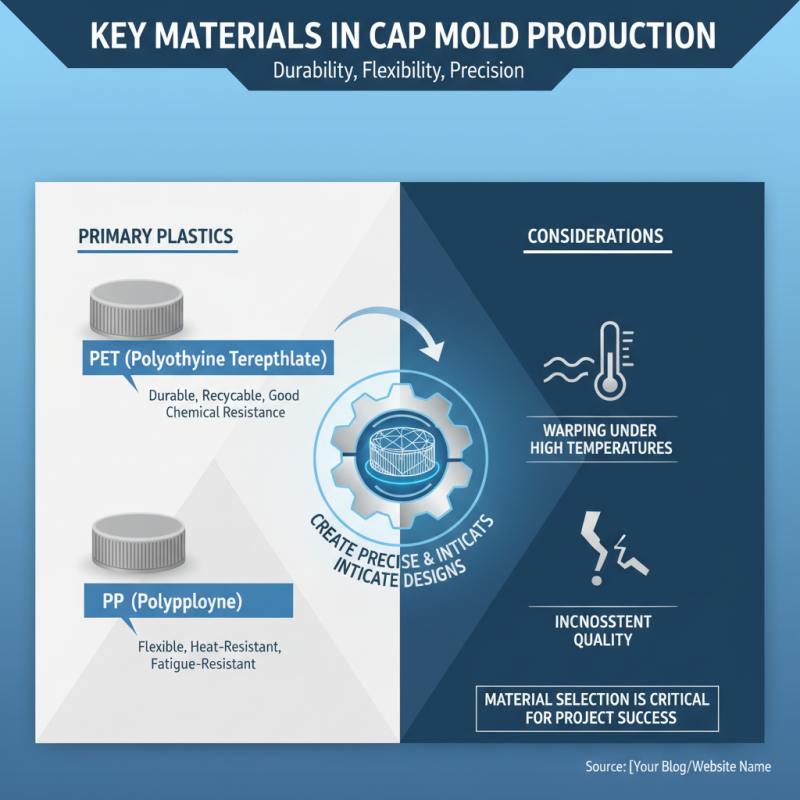
In the world of cap mold production, materials play a critical role. Various plastics are commonly used, especially PET and PP. These materials are known for their durability and flexibility. They help create precise and intricate cap designs. However, not all materials work perfectly for every project. Some may warp under high temperatures or show inconsistent quality.
Innovations in additives have improved mold performance. For instance, incorporating certain fillers can enhance strength. Yet, finding the right balance is challenging. Too many additives can lead to brittleness. Moreover, cost-effectiveness is another factor to consider. Using high-quality materials can be expensive, affecting overall project budgets.
Recycling options are becoming popular in mold production too. This allows manufacturers to reduce waste and production costs. But it's crucial to ensure that recycled materials meet quality standards. Contaminants can ruin the final product. Therefore, attention to detail is necessary. Continuous evaluation of material performance leads to better outcomes in cap mold production.
Innovative techniques in cap mold design are transforming the manufacturing landscape in China. Advanced CAD technology is a crucial player here. Designers utilize software for precise modeling. This reduces material waste by up to 20%. Enhanced simulations improve mold flow, predicting potential defects early in the process.
3D printing is another game-changer. It allows for rapid prototyping of cap molds. This technology speeds up the testing phase significantly. A recent report indicated that companies can reduce design time by 30%. However, not all molds produced this way maintain durability. Companies must balance speed with quality assurance.
Tips: Consider investing in employee training for new technologies. Skilled personnel can identify design flaws quickly. Staying updated on trends is essential to avoid stagnation. Frequent updates in techniques are required, as the industry evolves continuously. Investing in research and development often pays off. Not every innovation leads to immediate success, but the learning gained is invaluable.
Quality control is vital in cap mold manufacturing. In 2022, the global market for mold manufacturing exceeded $20 billion, emphasizing its importance. Effective quality control ensures that molds meet stringent industry standards. Any flaws can lead to significant financial losses. Companies often face challenges in maintaining consistency while pushing for innovation.
One common measure is rigorous testing of prototypes. Industry reports show that about 70% of manufacturers rely on prototype testing. This step identifies design flaws before mass production. However, many companies overlook the importance of thorough validation processes. Inadequate testing can result in defects that compromise product integrity.
Another aspect involves material selection. Using high-grade materials improves durability and efficacy. Reports indicate that nearly 40% of defects arise from poor material choices. Regular audits of suppliers are necessary but often insufficient. Companies must also invest in continuous education for employees. Knowledge gaps can lead to overlooked issues in the production line.
| Technique/Innovation | Description | Quality Control Measure | Impact on Production |
|---|---|---|---|
| 3D Printing Technology | Utilizes additive manufacturing for rapid prototyping of cap molds. | Regular checks on print layer adhesion and dimensions. | Increases design flexibility and reduces lead time. |
| Injection Molding Optimization | Improved injection speed and temperature control for better mold filling. | Monitoring cycle times and material viscosity. | Enhances product uniformity and reduces defects. |
| Computer-Aided Design (CAD) | Utilizes CAD software for precise mold design and simulation. | Simulation of stress points and thermal behavior. | Minimizes material waste and errors in production. |
| Automated Inspection Systems | Uses advanced imaging technology for real-time quality checks. | Implementation of statistical process control (SPC). | Reduces manual inspection errors and increases throughput. |
| Real-Time Data Monitoring | Integration of IoT for monitoring machine performance and mold conditions. | Alerts for deviations from standard operating conditions. | Optimizes maintenance schedules and reduces downtime. |
The future of cap mold technology is promising, with several innovative trends reshaping the industry. One notable trend is the increased use of automation in the manufacturing process. Robots are now being programmed to handle complex tasks with precision. This shift not only improves efficiency but also reduces human error. Yet, reliance on technology should be balanced. Over-automation may lead to challenges in job availability, sparking discussions about workforce impacts.
Sustainability also plays a crucial role in future innovations. Manufacturers are exploring eco-friendly materials that can enhance mold designs. Biodegradable plastics and recycled materials are gaining attention. However, the transition to sustainable practices is not without obstacles. Cost implications and supply chain adjustments require significant time and effort. Integrating these materials presents technical challenges as well.
Additionally, smart technology in mold design is evolving. Features like embedded sensors are becoming more common, allowing real-time monitoring. This advancement supports better quality control and predictive maintenance. Still, there is a learning curve involved. Many manufacturers may struggle to adapt to these new systems. Embracing these changes will require thoughtful planning and a willingness to learn.