2026 Best Plastic Bottle Mold for Your Manufacturing Needs?
Choosing the right Plastic Bottle Mold can define your manufacturing success. In 2026, advancements in technology could reshape this landscape. Every detail matters, from design to material selection.
The right mold can enhance production efficiency and product quality. It can minimize waste and save costs in the long run. However, many manufacturers struggle with mold selection. Common mistakes include overlooking specific needs and capabilities.
Identifying your precise requirements is essential. Consider the volume, shape, and type of plastic. Reflect on your current processes and where they fall short. Every decision leads to a more efficient operation. In a data-driven industry, staying informed is crucial for progress.
Overview of Plastic Bottle Molds and Their Importance in Manufacturing
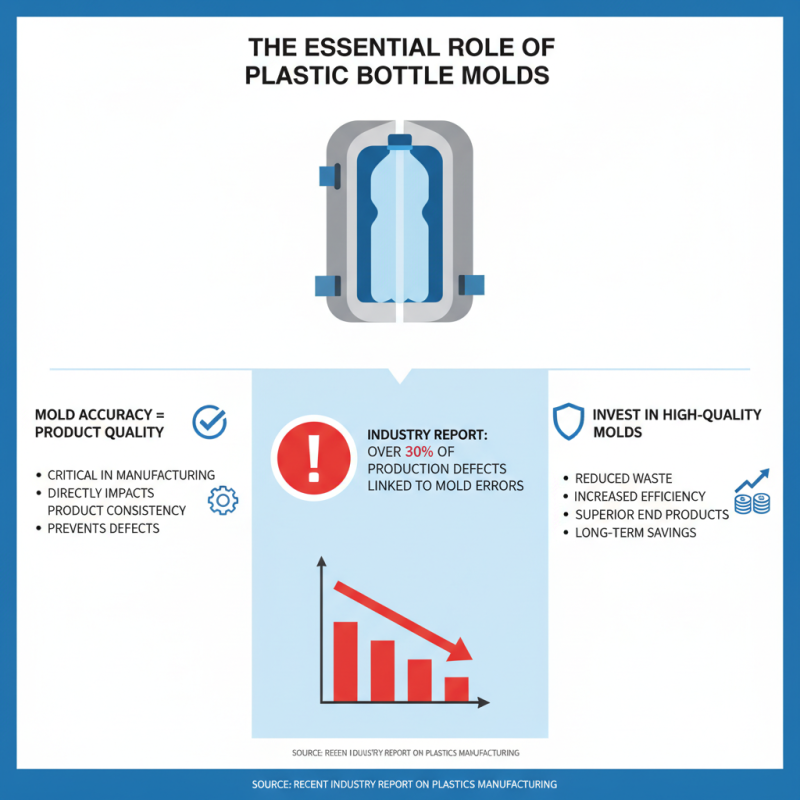
Plastic bottle molds play a critical role in the manufacturing process. The accuracy of these molds directly impacts the quality and consistency of the final products. According to a recent industry report, over 30% of production defects are linked to mold errors. This highlights the importance of investing in high-quality molds.
Choosing the right mold can lead to significant cost savings. A well-designed mold can reduce waste by up to 25%. This means fewer resources are wasted during production, which is crucial in today’s eco-conscious market. Companies should consider features like durability and efficiency when selecting molds. The longevity of a mold can save resources over time, yet many manufacturers overlook this aspect.
While advancements in mold technology exist, not all manufacturers embrace them. Many stick to outdated designs, resulting in inefficiencies. Regularly updating molds might seem expensive but can enhance production capabilities. Manufacturers must reflect on their mold choices and their impact on overall output and sustainability.
Key Features to Consider in Choosing a Plastic Bottle Mold
Choosing the right plastic bottle mold is crucial for your manufacturing process. Focus on the material of the mold. Steel and aluminum are popular choices. Steel is durable but heavier. Aluminum is lighter and easier to handle. However, it may not last as long under heavy use. Consider the lifecycle and maintenance of each mold.
Next, evaluate the design complexity. Simple molds are easier to produce but may limit your product's aesthetics. Intricate designs can enhance the bottle's visual appeal. Yet, they may increase production time and costs. Think about your design needs versus your budget.
Temperature control is another key feature. A mold with good thermal conductivity can improve production efficiency. Poor temperature management can lead to quality issues. Finally, don’t forget about the ease of use. A mold that is complicated to set up can slow down production. Reflect on these details to make a more informed decision for your manufacturing needs.
2026 Best Plastic Bottle Mold for Your Manufacturing Needs - Key Features
| Feature |
Description |
Importance |
Suitable For |
| Material Compatibility |
Ability to work with different types of plastics, including PET, HDPE, and PVC. |
High |
Food and Beverage, Household Products |
| Mold Design Complexity |
Complexity in design may include multiple cavities, inserts, or special features. |
Medium |
Cosmetic Containers, Specialty Bottles |
| Cycle Time |
Amount of time it takes to produce one batch of bottles, affecting overall efficiency. |
High |
High-Volume Production |
| Durability and Maintenance |
The ability of the mold to withstand wear and tear and ease of maintenance. |
High |
Continuous Production |
| Cost Efficiency |
Initial cost versus long-term savings through efficiency and durability. |
Medium |
Startups and SMEs |
Different Types of Plastic Bottle Molds Available in 2026
In 2026, the market offers various types of plastic bottle molds to meet diverse manufacturing needs. One popular option is the single cavity mold, designed for simplicity and efficiency. These molds are great for smaller production runs. They may lack the speed of multi-cavity molds but can save costs for startups.
Multi-cavity molds are increasingly sought after. They allow manufacturers to produce multiple bottles at once, improving efficiency. However, the initial investment can be high. It’s essential to weigh these factors carefully. Each production demand is different. Choosing the wrong mold type can lead to wasted resources.
Tips: Always assess your production volume. A small batch might benefit from a single cavity mold. But for large-scale operations, multi-cavity molds may be essential. Also, consider the material of the mold. Steel molds are durable but more expensive. Aluminum molds are cheaper but may wear out faster. Reflect on your long-term goals.
The injection mold is another option. It provides flexibility in design. However, it can be complex to set up. Manufacturers need to think ahead. It can lead to delays if not planned well. Always have a backup plan in production to avoid disruptions.
2026 Best Plastic Bottle Mold Types Comparison
Cost Factors and Budgeting for Plastic Bottle Mold Investments
Investing in plastic bottle molds requires careful budgeting. Many factors influence the overall cost, making it essential to analyze them closely. According to industry reports, the average price of a high-quality mold ranges from $5,000 to $100,000. Variability depends on complexity and production volume. Simple molds may cost less, while intricate designs can exceed expectations.
Material choices also significantly impact expenses. Steel molds, known for durability, can come at a higher initial price. Reports indicate that steel molds can boost product longevity and performance. However, their cost can be 50% higher than aluminum molds. Understanding these material options is crucial for long-term planning.
Unexpected costs can arise during production. Maintenance, repairs, and changes to designs can add up quickly. Over 30% of manufacturers have reported budget overruns due to unforeseen expenses. To avoid this, companies should allocate a contingency fund when budgeting. Clearly outlining all potential costs helps streamline the process. This approach may reduce financial strain and improve decision-making in the procurement of plastic bottle molds.
Trends and Innovations in Plastic Bottle Mold Technology for 2026
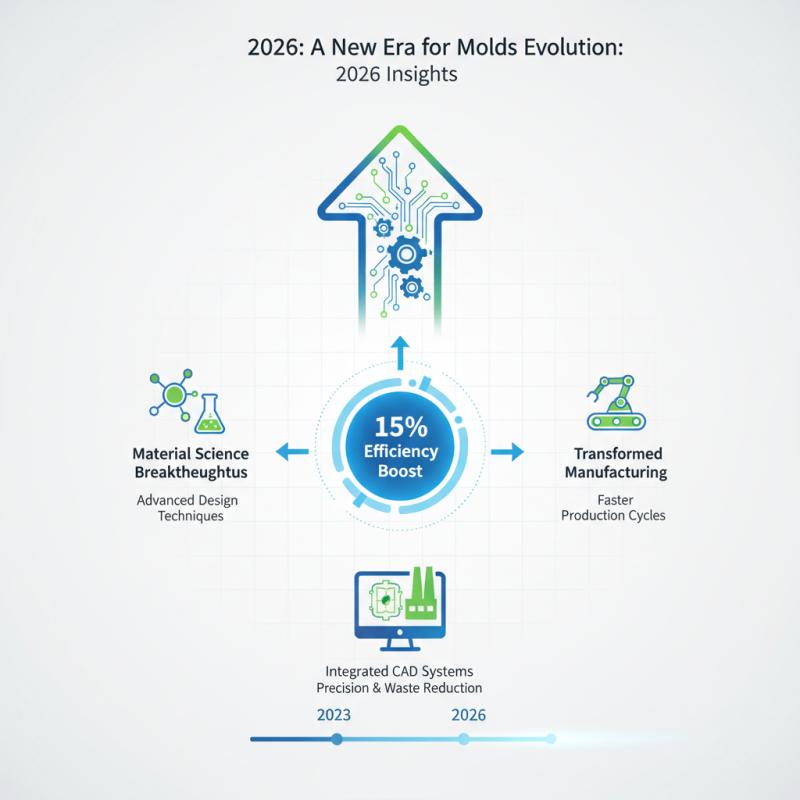
In 2026, the landscape of plastic bottle mold technology is set to evolve significantly. Innovations in material science and design techniques will transform manufacturing processes. Data from industry reports predict a 15% increase in the efficiency of mold production. This change is driven by the integration of advanced computer-aided design (CAD) systems. These systems allow for more precise mold designs and reduce material waste.
Sustainability continues to be a pressing concern. The market foresees a rise in bioplastics usage, anticipated to grow by over 20%. Yet, challenges with sourcing and cost remain. Many manufacturers are still hesitant to adopt bioplastics due to these issues. These materials may be more eco-friendly but are not always the most cost-effective option.
Additionally, 2026 will see a push for lighter and more durable molds. Lighter molds can enhance the production speed. Reports indicate that industries are investing in multi-cavity molds that optimize production. However, companies must weigh the benefits against potential quality control issues. Achieving the perfect balance remains a complex task.